Polyphenylene sulphide
PPS (polyphenylene sulphide) stands out for its high temperature resistance, chemical resistance and mechanical stability.
PPS plastic is a semi-crystalline thermoplastic high-performance plastic for components that must withstand high temperatures, aggressive media and mechanical loads at the same time. Polyphenylene sulphide, PPS for short, is characterised in particular by its very low moisture absorption, high dimensional stability, inherent flame retardancy and reliable electrical properties.
Martan Plastics supplies PPS in various material grades and supports you in selecting suitable materials, semi-finished products and manufacturing processes. Depending on the drawing, quantity and requirement profile, PPS components can be produced, among other things, by injection moulding or by machining plastic processing.
What is PPS?
Polyphenylene sulphide belongs to the group of aromatic high-performance thermoplastics. Its polymer structure consists of aromatic rings linked to one another by sulphur atoms. This structure is essential for the high thermal stability, pronounced chemical resistance and low tendency to absorb moisture.
PPS is often used when conventional engineering plastics can no longer achieve the required temperature resistance, dimensional stability or chemical resistance. The material is available both unreinforced and with glass fibres, minerals or other fillers. Reinforcement allows stiffness, strength, heat deflection temperature and dimensional stability in particular to be increased in a targeted manner.
Properties of PPS plastic
High temperature resistance
PPS is suitable for long-term use at elevated temperatures. Depending on the material type, reinforcement and load, continuous service temperatures of around 200 to 240 °C are possible. For short periods, PPS components can also be exposed to higher temperatures.
The frequently quoted heat deflection temperature of approximately 260 °C must not be equated with a generally permissible continuous service temperature. For the design of a component, mechanical load, duration of use, environment, geometry and the specific PPS type must be taken into account, among other things.
Very good chemical resistance
Polyphenylene sulphide is one of the chemically particularly resistant thermoplastics. It is resistant to numerous fuels, oils, greases, solvents, acids, alkalis and industrial process media. Even at elevated temperatures, the properties remain largely intact against many media.
Limitations can occur in particular with strong oxidising agents, certain concentrated acids, halogens and individual chlorinated compounds. The actual material resistance should therefore be tested on the basis of the specific medium, its concentration, the temperature and the duration of exposure.
High stiffness and dimensional stability
PPS has high stiffness and a comparatively low tendency to creep. Glass-fibre or mineral-reinforced PPS types in particular reliably retain their dimensions even under changing temperatures and long-term mechanical load.
These properties are important, for example, in housings, precision components, pump components, electrical connectors and components with tight tolerances.
Very low water absorption
PPS absorbs only very small amounts of moisture. As a result, its dimensions and electrical properties change considerably less under humid ambient conditions than is the case with many polyamides.
The low water absorption facilitates the production of dimensionally accurate components and is advantageous for applications in which changing humidity, water, steam or liquid process media occur.
Electrical insulation properties
PPS has good dielectric properties and a high electrical insulating capacity. The electrical characteristics remain comparatively stable over a broad temperature and frequency range and are only slightly affected by moisture.
The material is therefore often used for connectors, coil formers, switch components, sensor housings, insulators and other components from the field of electronics and electrical engineering.
Inherent flame retardancy
PPS is inherently flame retardant. Many PPS types achieve high fire protection classifications without the need for additional halogen-containing flame retardants. However, which classification applies to a specific component depends on the material type, wall thickness, colour and test conditions.
Good ageing and radiation resistance
Polyphenylene sulphide has good resistance to thermal ageing, weathering, ozone and various types of ionising radiation. For safety-relevant components or components used permanently outdoors, it must nevertheless be checked whether a stabilised or specially approved type is required.
PPS materials and material grades
For different technical requirements, PPS can be used in various unreinforced, glass-fibre-reinforced, mineral-filled or combined versions. The available material range includes, among others, grades such as:
- RYTON® R4 NATURELL
- RYTON® R4 XT NATURELL
- RYTON® R4 02 SCHWARZ
- RYTON® R4 230 NA
- RYTON® R4 232 NA
- RYTON® R4 230 BL SCHWARZ
- RYTON® R4 220 NA
- RYTON® R4 200 NA
- RYTON® BR111 NATURELL
- LARTON® G/40 NATURELL
The individual PPS types differ, among other things, in terms of reinforcement level, colour, flow behaviour, strength, stiffness, impact strength, heat deflection temperature, electrical properties and possible approvals. The trade name alone is therefore not sufficient to conclusively assess suitability for an application.
Unreinforced PPS
Unreinforced PPS types offer high purity, good electrical properties and a particularly uniform material structure. Compared with reinforced grades, however, they have lower stiffness and strength. Unreinforced PPS can be used for electrical components, chemically exposed components or applications in which special purity requirements apply.
Glass-fibre-reinforced PPS
Glass-fibre-reinforced PPS has significantly higher stiffness, strength, creep resistance and heat deflection temperature. Typical glass fibre contents are, for example, 30 or 40 per cent. Such materials are suitable for mechanically loaded housings, pump components, valve parts, supports, brackets and precision components.
During design, it must be taken into account that glass fibres can lead to direction-dependent material properties. This affects, among other things, shrinkage, warpage, strength and behaviour during machining.
Mineral-filled and combined PPS types
Mineral fillers can reduce shrinkage, thermal expansion and warpage. Combinations of glass fibres and mineral fillers are used when particularly high dimensional accuracy and dimensional stability are required.
For sliding or wear applications, modified PPS compounds with suitable fillers and additives are also available. The specific suitability must be assessed on the basis of the counterface partner, surface pressure, speed, temperature and lubrication.
Typical technical characteristics of PPS
The following overview shows typical property ranges. It does not replace a data sheet for the PPS type actually used.
| Property | Typical classification |
|---|---|
| Material group | Semi-crystalline high-performance thermoplastic |
| Continuous service temperature | Type-dependent, often around 200 to 240 °C |
| Melting temperature | Typically around 280 to 290 °C |
| Water absorption | Very low |
| Chemical resistance | Very high against numerous industrial media |
| Dimensional stability | High, especially with reinforced types |
| Electrical insulation | Good and stable over wide temperature ranges |
| Flammability | Inherently flame retardant |
| Mechanical properties | High stiffness; depending on reinforcement and type |
Application areas of PPS
Automotive industry and vehicle construction
In vehicle construction, PPS is used for components that come into contact with high temperatures, fuels, oils, coolants or electrical voltages. Typical applications are:
- Connectors and electrical contact carriers
- Sensor and actuator housings
- Pump and valve components
- Components in fuel and cooling systems
- Components for electric drives
- Coil formers and insulating components
Electrical engineering and electronics
The combination of temperature resistance, low water absorption, dimensional accuracy and electrical insulation makes PPS an important material for electronic and electrical engineering applications. The material is suitable, among other things, for high-temperature connectors, switches, relay components, coil formers, insulators and housing parts.
Suitable PPS types can also be used for components that are briefly exposed to high temperatures during soldering.
Mechanical and plant engineering
In mechanical and plant engineering, PPS is used for dimensionally accurate components that must function reliably under thermal, chemical or mechanical load. These include, for example:
- Pump impellers and pump housings
- Valve seats and valve components
- Brackets and support elements
- Insulating components
- Measuring and sensor components
- Components for dosing and conveying systems
Chemical and process engineering plants
Due to its high chemical resistance, PPS is suitable for components in chemically exposed plants. These include pump parts, valves, housings, manifolds, sensor bodies, filter components and functional parts in contact with media.
Before use, resistance to the specific process medium must be tested. Seals, metallic fasteners and other materials within the assembly must also be included in the assessment.
Aerospace
In aerospace, PPS can be used for lightweight, temperature-resistant and flame-retardant components. Possible applications include electrical components, cable and line holders, housings, structural components and fibre-reinforced composites.
For aerospace applications, the respectively required material certifications, fire protection tests, approvals and documentation must be observed.
Oil and gas industry
Suitable PPS types can be used for components in the oil and gas industry when resistance to fuels, lubricants, hydrocarbons, pressure and elevated temperatures is required. These include, for example, sensor components, pump components, electrical insulation and functional parts in media-carrying systems.
Medical technology and food contact
Certain PPS types are available for selected applications in medical technology or for contact with food. However, general suitability of the material must not be derived from this.
What is decisive is the specific material type, pigmentation, additives, manufacturing conditions and the required approval. FDA conformity, EU food conformity, biocompatibility or sterilisability must therefore be verified on a project-specific basis.
Processing and machining PPS
Injection moulding
Plastic injection moulding is one of the most important processes for manufacturing PPS series parts. PPS has good flow behaviour and thereby enables the production of complex geometries, thin wall thicknesses and integrated functional elements.
Processing requires high mould and melt temperatures as well as controlled process management. Mould design, gating, venting and shrinkage behaviour must be adapted to the respective PPS type. With glass-fibre-reinforced compounds, increased mould wear must also be expected.
Extrusion and semi-finished products
PPS can in principle be extruded. Due to the high processing temperatures and the demanding process management, however, the production of extruded semi-finished products is considerably more specialised than with standard plastics.
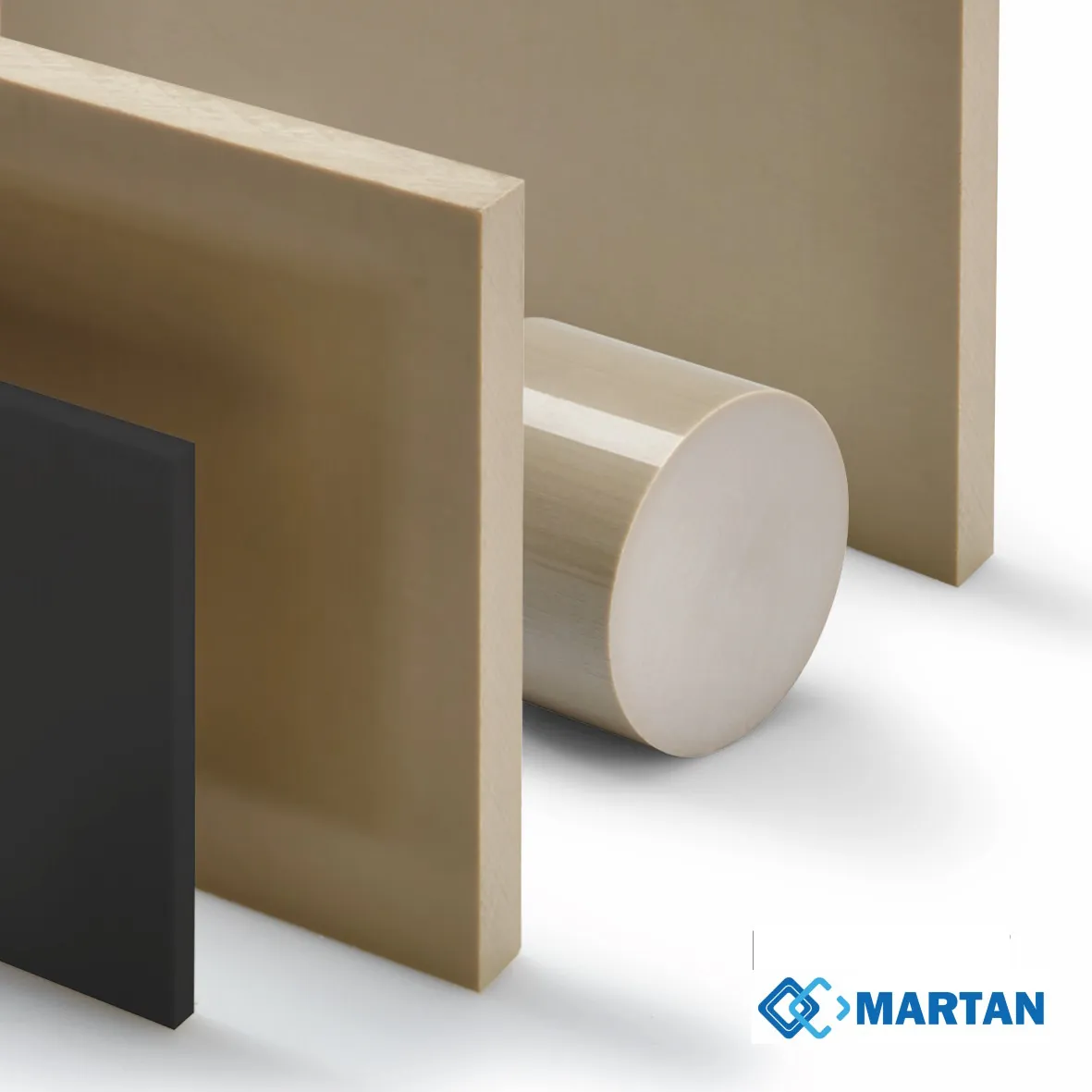
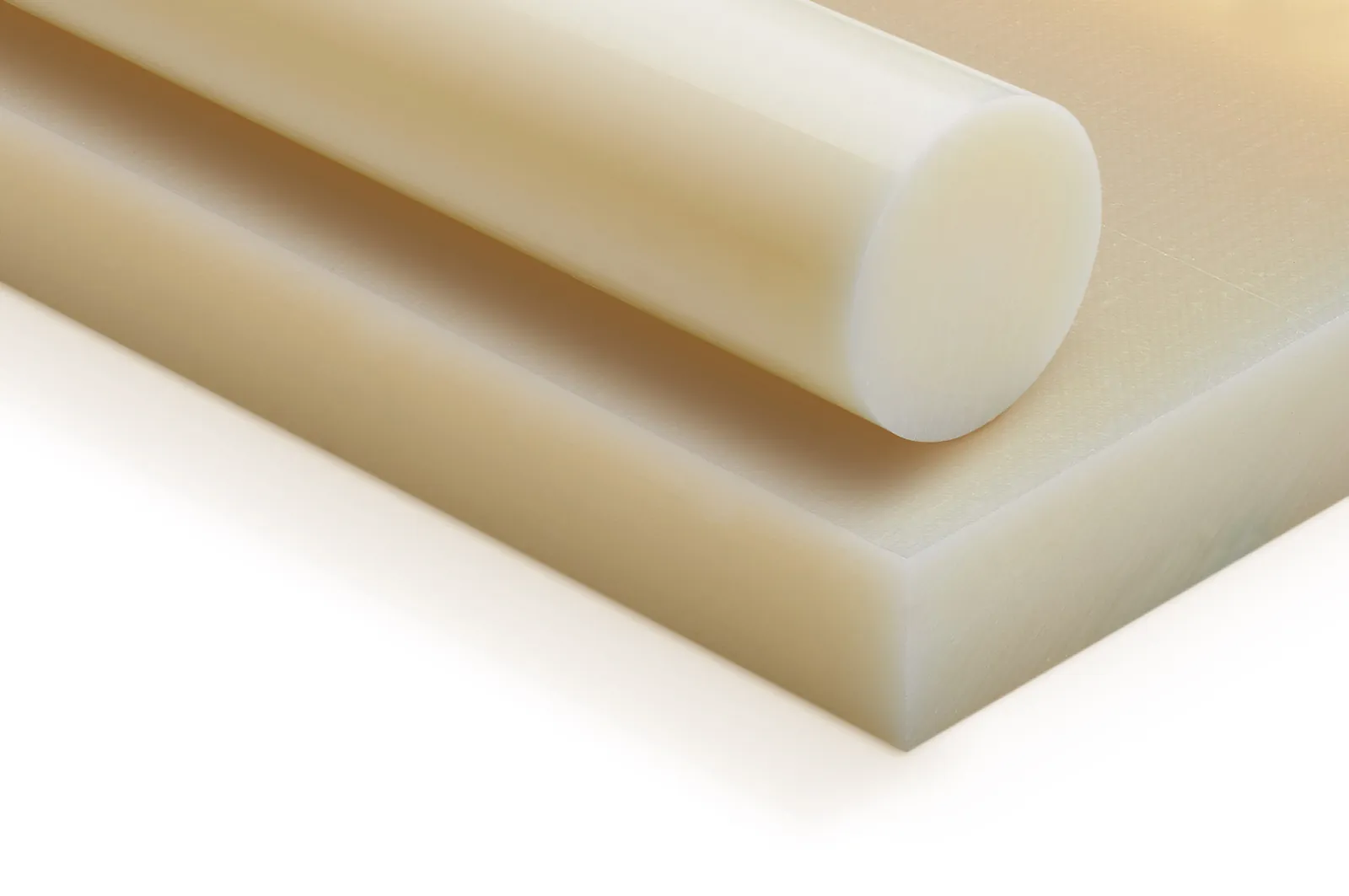
Depending on availability, plastic semi-finished products made of PPS can be used, for example, as sheets, rods or other starting forms for subsequent CNC machining. Dimensions, tolerances and material grades must be agreed on a project-specific basis.
CNC milling and drilling
PPS semi-finished products can be machined into precise components by CNC milling, drilling and other machining processes. Suitable tool geometries, sharp cutting edges and adapted heat dissipation reduce the risk of chipping, overheating or dimensional deviations.
With glass-fibre-reinforced PPS, the abrasive influence of the fibres must be taken into account. Tool material, cutting values and machining strategy must therefore be matched to the reinforcement level.
CNC turning
Rotationally symmetrical PPS components such as bushes, rings, insulators, valve components or sensor housings can be manufactured by CNC turning. Depending on the geometry and tolerance requirements, a low-stress semi-finished product quality or an adapted machining sequence may be necessary.
Welding and bonding
PPS can be welded using suitable thermal processes. Depending on the component geometry and material type, for example hot plate, ultrasonic, vibration or laser welding processes are possible.
Bonding is more demanding, as PPS has a comparatively low surface energy. Pretreatments such as plasma, corona or chemical activation as well as suitable special adhesives can improve adhesion. The joint should in principle be tested under real operating conditions.
PPS compared with other high-performance plastics
PPS or PEEK?
PEEK plastic offers higher toughness, better mechanical properties at high temperatures and a broader range of applications for highly loaded sliding and wear applications in many grades. PPS, on the other hand, has very high chemical resistance, low water absorption and is often more economical.
PPS can be a suitable alternative when PEEK would be technically overdimensioned. However, the selection should not be based on material price alone, but on the actual temperature, load, media and approval requirements.
PPS or PPA?
PPA plastic is more impact-resistant in many applications and can offer advantages for mechanically dynamically loaded components. PPS absorbs less moisture and generally offers higher dimensional stability as well as better resistance to many aggressive media.
PPS or PTFE?
PTFE plastic has particularly low friction and a very broad chemical resistance. PPS, on the other hand, is considerably stiffer, stronger and more dimensionally stable under mechanical load.
For sliding components, PTFE is therefore not automatically the better choice. In addition to the coefficient of friction, wear, load, counterface partner, temperature and permissible deformation must also be taken into account.
PPS or polyimide?
Polyimide plastic is suitable for particularly high thermal requirements and special sliding, vacuum or aerospace applications. PPS is more economical in many chemically exposed applications with more moderate temperature requirements and can be processed thermoplastically.
Advantages of PPS at a glance
- High continuous temperature resistance
- Very good resistance to numerous chemicals
- Very low water and moisture absorption
- High dimensional stability
- Good electrical insulation properties
- Inherent flame retardancy
- High stiffness and low tendency to creep
- Suitable for injection-moulded parts and precise CNC components
- Glass-fibre-reinforced and mineral-filled grades available
- Often more economical than PEEK or polyimide
Limits and disadvantages of PPS
Despite its high-performance property profile, PPS is not the best solution for every application. The points that must be taken into account when selecting the material include:
- Unreinforced PPS can be comparatively brittle.
- Glass-fibre-reinforced grades have direction-dependent properties.
- Strong oxidising agents and certain aggressive chemicals can attack the material.
- Processing requires high temperatures and suitable tools.
- Glass fibres increase the wear of tools and counterface partners.
- Bonding is difficult without suitable surface pretreatment.
- Approvals apply only to specifically tested material types.
Selecting the right PPS material
For a reliable material selection, not only individual characteristics but all operating conditions should be considered together. Important details are:
- continuous and short-term service temperature
- type, concentration and temperature of the contact media
- static and dynamic mechanical load
- desired stiffness and impact strength
- dimensions and permissible tolerances
- quantity and planned manufacturing process
- electrical and fire protection requirements
- sliding, friction or wear conditions
- necessary food, medical or industry approvals
The material selection should take place as early as possible in the development process. This allows component geometry, reinforcement level, manufacturing process and tolerances to be coordinated with one another.
Have PPS components manufactured to drawing
Martan Plastics supports industrial companies from the selection of the suitable PPS type through to the ready-to-install component. Depending on your requirements, prototypes, individual parts, small series and series parts can be realised.
To do this, send us your drawing, CAD data or a technical description of the application. Details on temperature, mechanical load, media contact, quantity, tolerances and required approvals are particularly important. On this basis, we will check which PPS material and which manufacturing process are suitable for your project.
Frequently asked questions about PPS plastic
What is PPS plastic used for?
PPS is used for components with demanding thermal, chemical and electrical requirements. Typical applications are connectors, coil formers, pump and valve components, sensor housings, insulators, housing parts and dimensionally accurate functional parts in mechanical and plant engineering.
How temperature-resistant is PPS?
Depending on the type and load, PPS can often be used continuously at temperatures of around 200 to 240 °C. Heat deflection temperature, melting temperature and short-term temperature resistance must be distinguished from this. The data sheet for the specific material type is always decisive.
Is PPS chemical-resistant?
PPS is very resistant to many acids, alkalis, fuels, oils and solvents. Limitations exist, among other things, with certain strong oxidising agents and aggressive halogen compounds. A media-related resistance test therefore remains necessary.
Does PPS absorb water?
PPS absorbs very little water. As a result, dimensions and electrical properties remain comparatively stable even with changing humidity.
Is PPS suitable for food contact?
Certain PPS types can meet the requirements for food contact. However, this does not automatically apply to every PPS compound. Required declarations of conformity and approvals must be checked for the specific type.
Can PPS be milled and turned?
Yes. PPS semi-finished products can be milled, drilled and turned. With glass-fibre-reinforced materials, the abrasive tool wear and a possible fibre orientation must be taken into account.
When is PPS an alternative to PEEK?
PPS can be an economical alternative when high chemical resistance, low water absorption and good temperature resistance are required, but the higher toughness or temperature performance of PEEK is not necessary.
Is PPS a thermoset or a thermoplastic?
PPS is a semi-crystalline thermoplastic. It can be melted at high temperature and processed, for example, by injection moulding. Due to its high heat resistance and stiffness, however, it is occasionally confused with thermosetting materials.