Plastic rods
PA 6 rod
PA6.6 rod for industry PA6.6 rods, also known as polyamide 6.6 rods, are a proven and versatile material for a wide range of technical and industrial…
Description
PA6.6 rod for industry
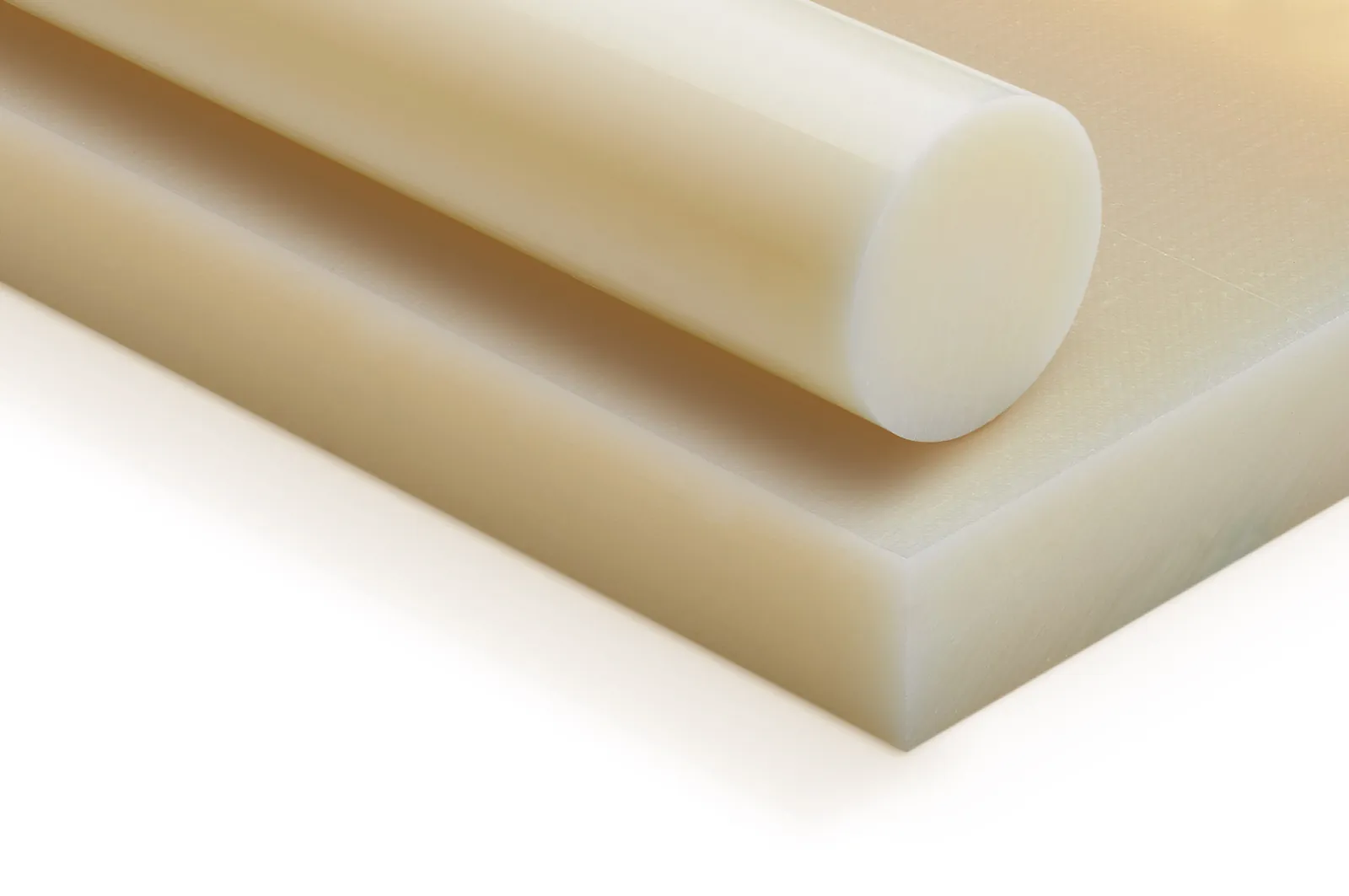
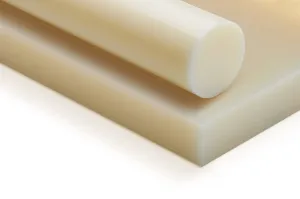
PA6.6 rods, also known as polyamide 6.6 rods, are a proven and versatile material for a wide range of technical and industrial applications. These rods are characterised by their outstanding hardness, high abrasion resistance and excellent mechanical strength. Because of these properties, PA6.6 rods are particularly popular in the mechanical engineering industry, the automotive industry and other technical fields where high demands are placed on stability and load-bearing capacity.
Polyamide 6.6 (PA6.6) is a semi-crystalline thermoplastic that offers excellent mechanical properties. The material composition ensures particularly good resistance to mechanical stress as well as high impact strength, even at low temperatures. These properties make PA6.6 rods a preferred choice for components that are exposed to high mechanical loads and yet require a long service life.
Below you will find detailed information about the properties, technical data and areas of application of PA6.6 rods, which make them an indispensable solution in numerous branches of industry.
Machining of PA6.6 rods
PA6.6 rods are easy to machine and can be brought into the desired shape with conventional tools such as lathes and milling machines. Machining is clean and enables the production of precise components. Due to the high strength of the material, it is advisable to use sharp tools in order to achieve the desired results.
In addition, PA6.6 can also be further processed by thermal methods such as extrusion or injection moulding, which enables the production of customised components. This thermal formability offers great flexibility in adapting to specific requirements. Joining by screws, rivets or adhesive bonding is also possible, which makes PA6.6 rods versatile in use.
Weather and chemical resistance
PA6.6 rods are resistant to numerous environmental influences and chemicals. The outstanding weather resistance ensures that the mechanical properties are not impaired even in outdoor use. PA6.6 is resistant to UV radiation and remains impact-resistant even at low temperatures. This combination of temperature and weather resistance makes PA6.6 rods ideal for use outdoors or under extreme climatic conditions.
The chemical resistance to oils, greases and many solvents makes PA6.6 rods an ideal material for the automotive and mechanical engineering industry, where contact with lubricants occurs frequently. This resistance helps to ensure the longevity of the components and to keep maintenance effort low.
Properties
PA6.6 rods offer an exceptional combination of strength, rigidity and hardness. The material has high abrasion resistance, which makes it particularly wear-resistant and significantly increases the service life of components. In addition, PA6.6 is resistant to many chemicals, including oils, greases and petrol, which predestines it for use in demanding technical environments.
PA6.6 is also characterised by its low water absorption, as a result of which the mechanical properties remain largely stable even in damp environments. This resistance to moisture is of great importance particularly in the automotive industry and in outdoor applications.
Applications
Use in mechanical engineering
PA6.6 rods are a popular choice in mechanical engineering, as they offer high strength and abrasion resistance. They are eminently suitable for the production of plain bearings, guides, gears and rollers. The high wear resistance of PA6.6 enables a long service life of the components, even under high mechanical load. PA6.6 rods are also frequently used as spacers and sliding guides in automated production systems.
Automotive industry
In the automotive industry, PA6.6 rods are used to produce components that are exposed to extreme conditions. These include engine mounts, sliding guides and various components that require high chemical resistance and mechanical strength. Due to the low water absorption and the resistance to oils and greases, PA6.6 is ideal for use in engines and gearboxes.
Construction industry and electrical engineering
PA6.6 rods also find numerous applications in the construction industry, particularly where high mechanical loads and weather resistance are required. They are used as fastening elements, spacers and in façade fixing. In electrical engineering, PA6.6 is frequently used for the production of insulators, as the material has a high electrical insulating capacity and is thermally resistant.
FAQ on PA6.6 rods
Are PA6.6 rods weather-resistant?
Yes, PA6.6 rods are weather-resistant. They are resistant to UV radiation and retain their mechanical properties even at low temperatures, which makes them suitable for outdoor use.
How can PA6.6 rods be machined?
PA6.6 rods can be processed using conventional machining methods such as turning, milling or drilling. Due to their hardness, sharp tools should be used to ensure clean processing.
What are PA6.6 rods particularly suitable for?
PA6.6 rods are particularly suitable for use in mechanical engineering, in the automotive industry and in the construction industry. Their high strength, abrasion resistance and chemical resistance make them a versatile material for applications with high mechanical load.
Technical data
- Material: Polyamide 6.6 (PA6.6)
- Hardness: High rigidity and strength
- Temperature resistance: Service temperatures between -40 °C and +110 °C
- Chemical resistance: Good resistance to many oils, greases, organic solvents and petrol
- Abrasion resistance: High wear resistance, ideal for applications involving friction
- Water absorption: Low water absorption for stable mechanical properties even in damp environments
- Flammability: Limited flame retardancy
PA6.6 rods are available in both solid and reinforced versions, allowing them to be adapted to a wide variety of industrial requirements. The high mechanical stability enables use even in applications where extreme mechanical loads play a role.