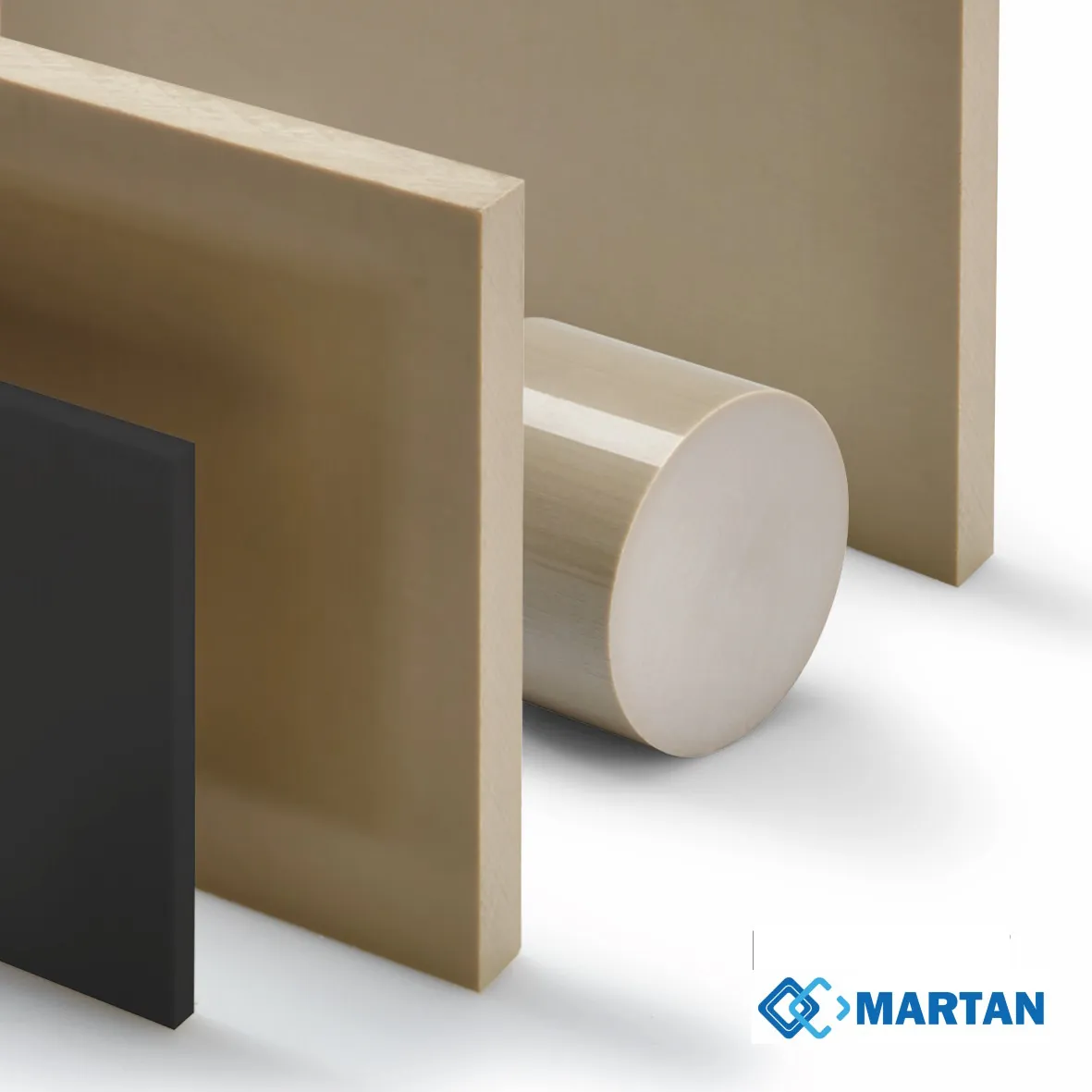
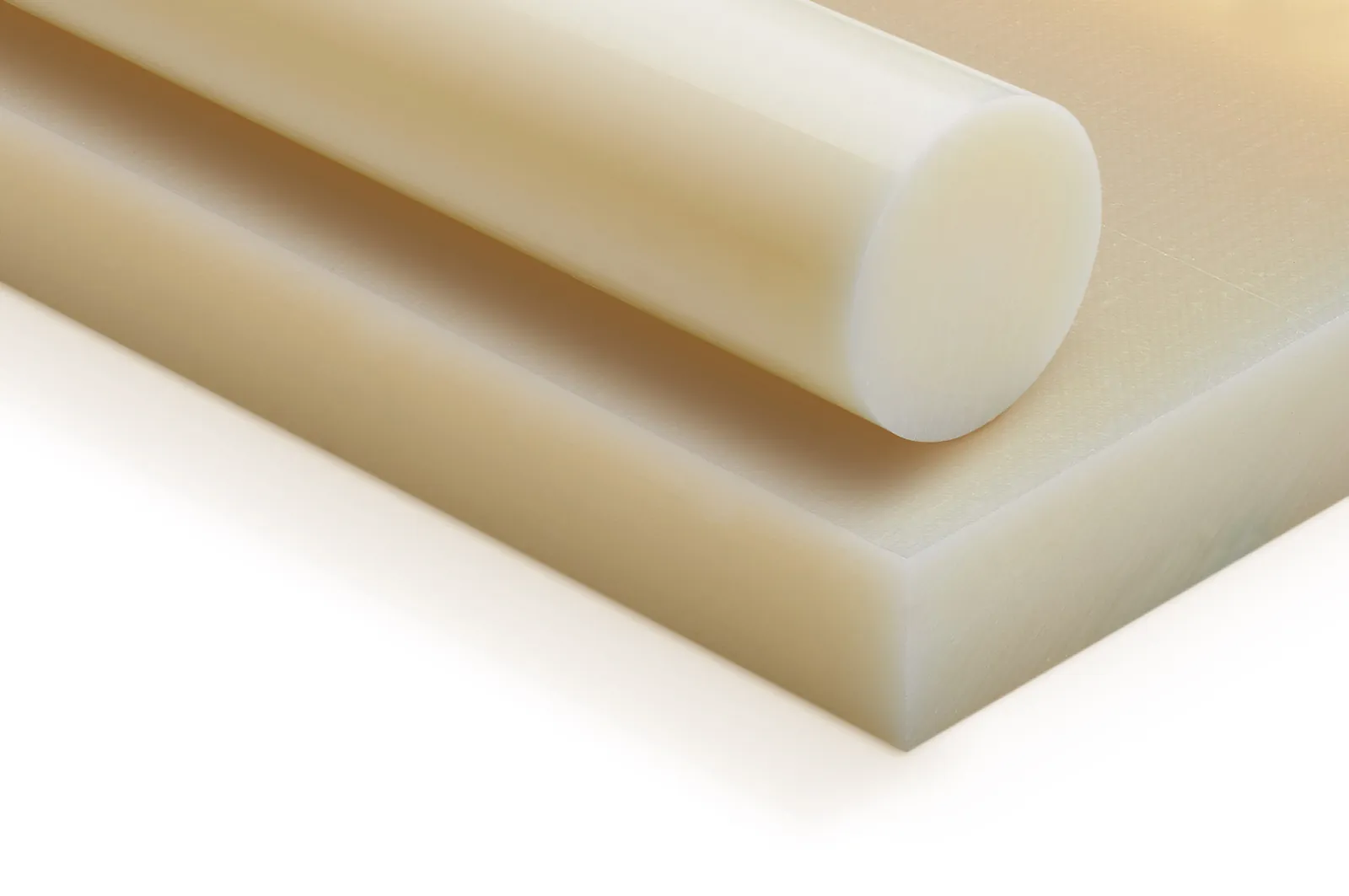
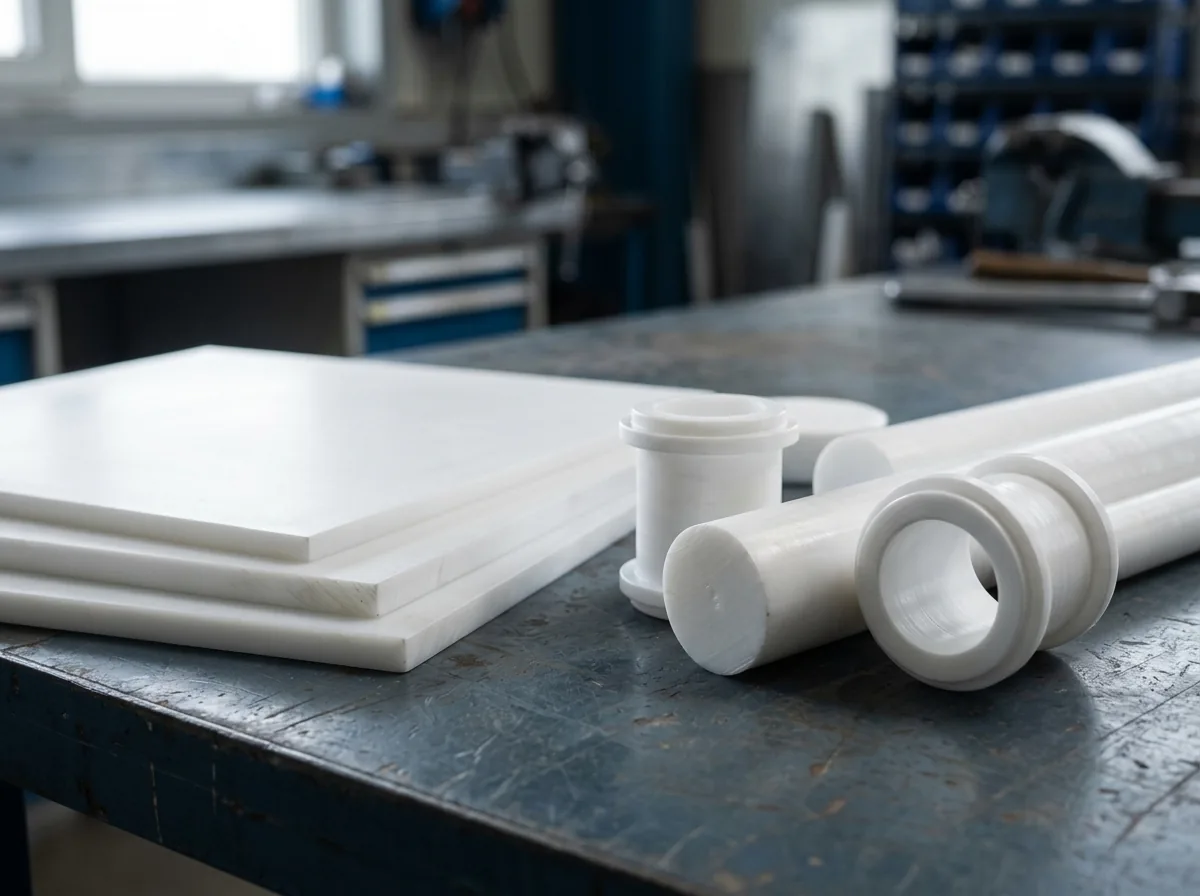
 This image was created with artificial intelligence – marked under Art. 50 of the AI Act, Regulation (EU) 2024/1689. It is a placeholder until the company's photos arrive.
Electronics
Discover the best plastics for the electronics industry: insulating, heat-resistant and flame-retardant. Find out more now!
What is electronics?
Electronics encompasses the development, manufacture and application of components and systems that control and process electrical signals. This technology is the basis of numerous modern applications, from consumer electronics to industrial controls and through to medical technology. Owing to the high demands on insulation, temperature resistance and mechanical load capacity, plastics play an essential role in the electronics industry.
Requirements for plastics in electronics
The electronics industry places specific demands on the materials used. Plastics must exhibit the following properties:
High electrical insulating capability
Protects against short circuits and electrical interference.
Temperature resistance
For applications exposed to high temperatures, such as circuit boards or power electronics.
Flame retardancy
Ensures the safety of devices.
Mechanical stability
Protects components from physical influences.
Chemical resistance
Resistance to solvents, oils and other chemical substances.
Common plastics in the electronics industry
Various high-performance plastics have proven themselves in the electronics industry. These include:
PTFE (polytetrafluoroethylene)
Outstanding dielectric properties and temperature resistance.
PBT (polybutylene terephthalate)
High rigidity and good electrical insulation.
PEI (polyetherimide)
Excellent heat resistance and mechanical strength.
PA (polyamide)
High toughness and resistance to environmental influences.
PC (polycarbonate)
Impact-resistant and flame-retardant.
Applications of plastics in electronics
Plastics are indispensable in many areas of electronics. Key areas of use are:
| Application | Plastics used |
|---|---|
| Housings for electronic devices | ABS, PC, PBT |
| Connectors | PBT, PA, PEEK |
| Insulating material | PTFE, PEI |
| Circuit board carrier material | FR4 (glass-fibre-reinforced epoxy resin) |
| Display protection | Polycarbonate |
Advantages of plastics in the electronics industry
The use of plastics in the electronics industry offers numerous advantages:
Weight saving
Lighter than metal housings.
Cost efficiency
Simple processing and manufacture.
Flexibility
Versatile design and shaping options.
Increased safety
Electrical insulation and flame retardancy.
Conclusion
Plastics are an integral part of the electronics industry and ensure safe, durable and high-performance components. The right choice of material is decisive for the function and longevity of electronic devices. Through the continuous development of new plastics technologies, even more powerful solutions for the electronics industry will become available in future.