 This image was created with artificial intelligence – marked under Art. 50 of the AI Act, Regulation (EU) 2024/1689. It is a placeholder until the company's photos arrive.
ABS sheets 2000 x 1000 - Choose the right thickness for your project
ABS sheets 2000 x 1000 mm: the right thickness, plus more on processing, possible applications, sustainability and material comparison.
ABS sheets are among the most versatile plastics on the market and are indispensable in both industry and in the trades and DIY sector. They impress with their high impact resistance, dimensional stability and chemical resistance, combined with easy processing. The standard format 2000 x 1000 mm offers ideal dimensions for larger projects, yet can be flexibly cut and adapted.
In this article you will learn why ABS is so popular, which properties particularly distinguish it and which factors play a role when selecting a sheet for your project. You will also gain an overview of how material thickness, load, processing and sustainability interact in order to find the optimum solution for your project. ABS sheets not only offer technical advantages but also enable creative applications – from robust protective covers through prototypes to individual furniture or decorative projects.
What is an ABS sheet?
ABS sheets are made from the plastic acrylonitrile butadiene styrene, a thermoplastic material known for its outstanding impact toughness, dimensional stability and resistance to chemicals. These sheets combine the strength of styrene, the toughness of butadiene and the hardness of acrylonitrile, making them both robust and flexible enough for numerous applications.
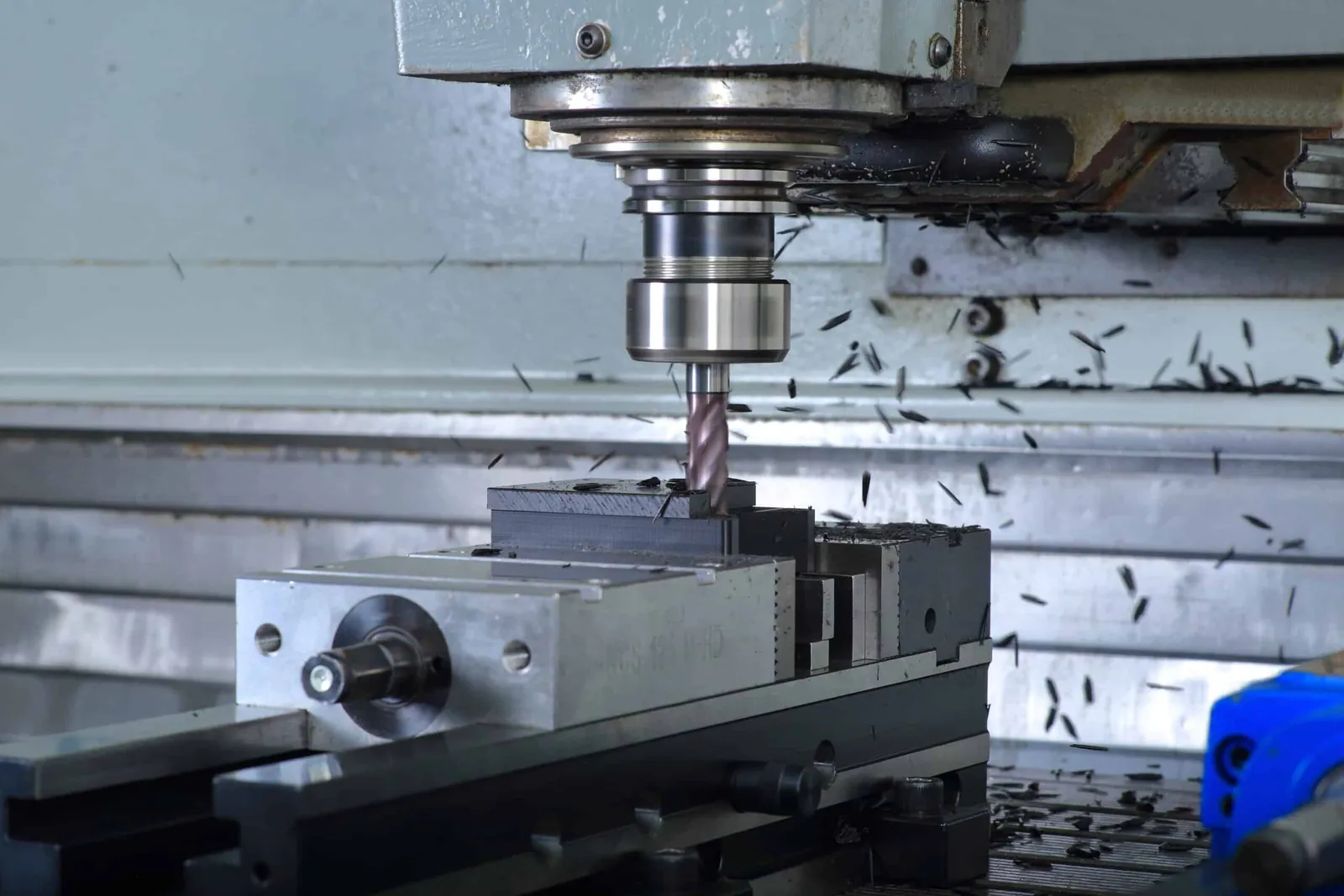
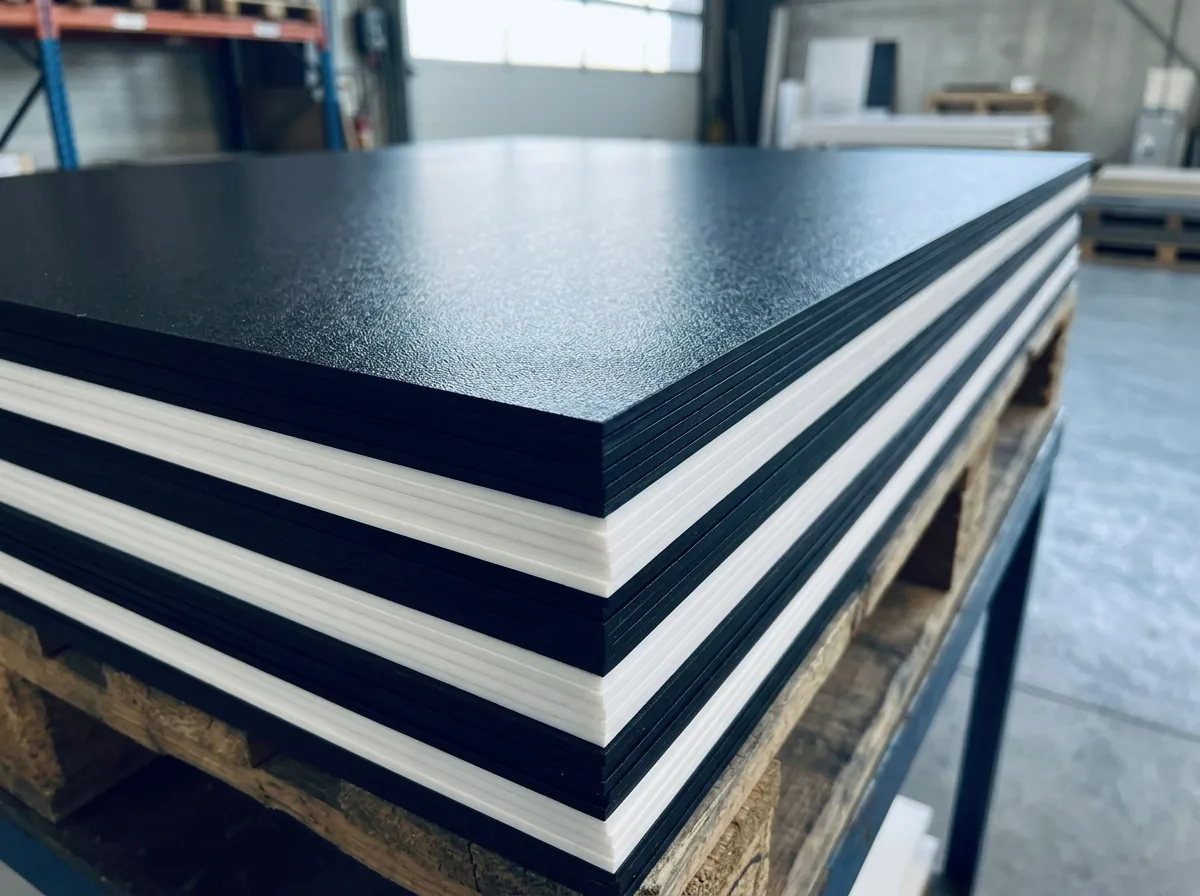
They are available in various colours, surface textures from smooth to textured and in a wide range of thicknesses. The sheets are easy to process, whether by cutting, milling, drilling, bonding or painting, and retain their stability and shape in the process. ABS is temperature-resistant and suitable for uses from about -20 °C to +80 °C, meaning it can be used reliably in both cold and warm environments.
Due to their mechanical properties and easy handling, ABS sheets are used in industrial protective cladding, machine housings, furniture construction, decorative projects and many other areas. They combine practical processability with durability and thus represent a particularly versatile solution for technical and creative projects. The standard size 2000 x 1000 mm provides a good basis for large surfaces but is at the same time manageable enough to be individually cut and adapted.
ABS sheets: which thickness and which format to choose?
The right thickness of an ABS sheet depends on the planned application and the mechanical requirements. Thin sheets of 1 to 2 mm are suitable, for example, for cladding, covers or model making. For housings, machine cladding or technical components, thicknesses between 3 and 10 mm are frequently used. For high loads or larger spans, thicker ABS sheets can also make sense.
Alongside material thickness, the format also plays an important role. ABS sheets in the standard format 2000 × 1000 mm are particularly in demand, as they can be processed in many ways and are suitable for many industrial applications. The common format allows cut pieces to be produced economically and reduces material losses. Depending on the project, ABS sheets can also be obtained in other formats, thicknesses and colours or cut to size individually.
Typical areas of use for ABS sheets
- Housings and protective covers in mechanical and plant engineering
- Trade fair and shop fitting, e.g. for displays and counters
- Prototype construction and product models
- Signs, information boards and wayfinding systems
- Decorative elements in living or working areas
- DIY projects such as shelves, furniture or covers
- Interior fitting of vehicles, transport crates and protective cladding
- Medical technology and laboratory equipment, e.g. for device housings or partition wallsApplicationrecommended thicknessSigns1–2 mmCladding3–5 mmMechanical engineering6–10 mmLoad-bearing components10–20 mm
How to choose the right thickness for ABS sheets 2000 x 1000
Choosing the right thickness of an ABS sheet is crucial for the durability, stability and usability of the end product. Several factors play a role here, including the type of load, the mechanical requirements, the desired flexibility and the weight. Thin sheets in the range of 1 to 3 mm are primarily suitable for decorative elements, flexible covers or light protective devices where no high mechanical loads occur.
Medium thicknesses of 4 to 10 mm offer a good balance between stability and machinability and are ideal for machine cladding, prototypes and protective covers that must withstand regular stresses. Thick sheets of 10 to 30 mm are used above all where high load-bearing capacity, stability and resistance are required, for example in load-bearing structures, robust machine covers or heavy components.
In addition, environmental conditions such as temperature, moisture or chemical influences should also be taken into account, as these factors can influence the choice of material. If a sheet needs to be mobile or transportable, weight is a decisive aspect, so a thinner or medium sheet may be chosen here. The processing options, such as cutting, drilling or milling, can also influence the decision on thickness, as thicker sheets require specialised tools or longer processing times. Ultimately, it is advisable to carefully analyse the specific project requirements before making the final selection and to adjust the thickness accordingly, in order to ensure both stability and functionality in the best possible way.
ABS sheets in the format 2000 × 1000 mm
ABS sheets in the format 2000 × 1000 mm are among the most frequently used standard formats in industry, mechanical engineering and plant engineering. They provide a good basis for economical cut pieces and can be easily further processed by sawing, milling, drilling or thermoforming depending on the application.
The standard format is available in various material thicknesses and is suitable both for light cladding and for stable technical components. Which thickness is the right one depends on the mechanical load, the size of the component and the respective area of use. If required, ABS sheets in the format 2000 × 1000 mm can also be cut to size individually in order to reduce material consumption and processing effort.
Processing techniques for ABS sheets
- Sawing and milling: precise cutting of the sheets
- Drilling: primarily for fastenings and connections
- Bonding: stable connections with ABS-specific adhesives
- Screws and bolts: for mechanically loaded structures
- Painting and coating: surface treatment for appearance and protection
- Thermoforming: deformation of thin sheets for curved designs
Sustainability and recycling of ABS
ABS sheets 2000 x 1000 are characterised not only by their versatility and durability but also by their good recycling options. After use, ABS offcuts and old sheets can be collected, sorted and mechanically shredded. These materials can then be melted down again and used in new products. Modern recycling processes also allow separation by colour and material composition, which increases recyclability and reduces environmental impact.
By reusing ABS materials, resources are conserved, energy consumption is lowered and waste volumes are reduced. Even for small production remnants or cut-to-size offcuts, proper disposal and further processing is worthwhile in order to promote sustainability throughout the entire production and application cycle. Companies that use ABS sheets can thus not only achieve economic advantages but also actively contribute to a more environmentally friendly use of plastics.
Future prospects for ABS sheets
ABS sheets will continue to play a central role in industry, the trades and creative areas in the future. The constant further development of plastics increasingly enables lighter yet more stable variants with improved mechanical properties. In addition, interest in sustainable and recyclable materials is growing, so that ABS sheets 2000 x 1000 with improved recycling processes and greater environmental compatibility are gaining in importance.
Applications in 3D printing technology, in prototype construction, in the automotive industry or for modular construction projects will continue to increase. Through combination with new coatings, colours and surface textures, additional creative and functional application possibilities open up, so that ABS sheets will also remain a versatile and future-proof material in the long term.
Comparison with other materials
ABS sheets are characterised by their balanced combination of impact resistance, chemical resistance, temperature resistance and easy processing. Compared with other plastic materials, they offer many advantages but are not the optimum choice for all applications. The following table shows the differences from common materials and makes it easier to decide on the right material:
| Material | Impact resistance | Chemical resistance | Temperature resistance | Machinability |
|---|---|---|---|---|
| ABS | High | Good | -20 to +80 °C | Very good |
| Polycarbonate | Very high | Good | -40 to +120 °C | Good |
| PVC | Medium | Very good | -15 to +60 °C | Good |
| Acrylic (PMMA) | Low | Medium | 0 to +80 °C | Very good |
This overview shows that ABS represents a particularly versatile and economical solution that optimally fulfils the requirements for stability, processability and chemical resistance in many projects.
In conclusion
Choosing ABS sheets 2000 x 1000 mm offers a combination of high stability, versatile processability and long-term resistance. They are suitable both for decorative projects and for demanding industrial applications. ABS sheets impress with their easy processing, impact resistance and chemical resistance and remain reliable even under different operating conditions. Through recycling and sustainable use, the material also becomes ecologically attractive, making ABS the ideal choice for both industrial users and DIY enthusiasts.