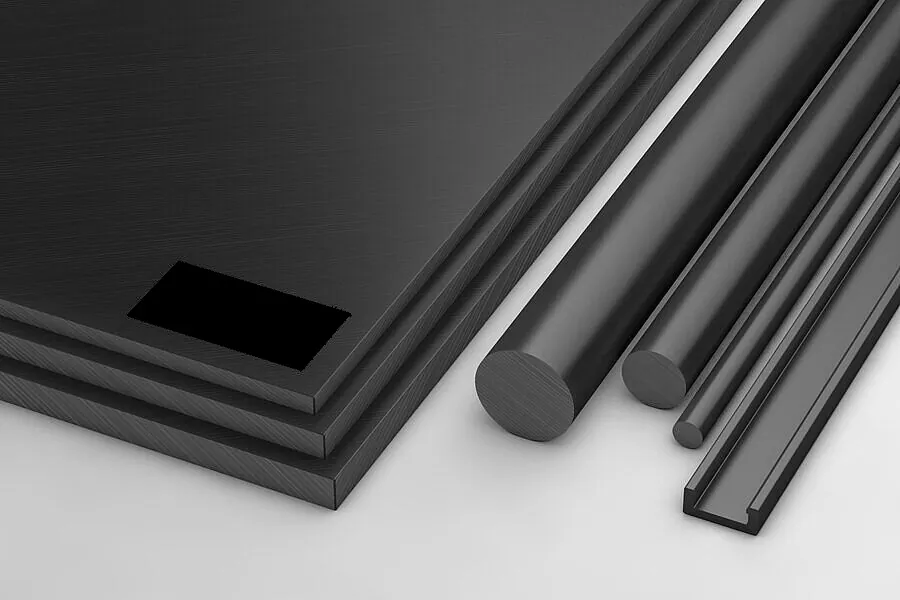
Chemical resistance of plastics
Which plastics are chemically resistant, and how temperature, concentration and load affect service life.
The selection of the right plastic is crucial when components come into contact with chemicals. Whether in the chemical industry, in plant engineering, in laboratories or in the food sector – the chemical resistance of plastics significantly determines the safety, service life and functionality of components.
A wrong decision in material selection can not only lead to considerable damage to the components used, but also to production failures, costly downtime and even safety risks. Particularly in industries in which aggressive media such as acids, alkalis or solvents are processed, knowledge of the limits and possibilities of plastics is indispensable.
In addition, not every plastic reacts in the same way in every situation. Factors such as concentration, temperature and duration of exposure play a central role in assessing chemical resistance. While a material may well be resistant to a diluted acid, it may fail at higher concentration or elevated temperature. Likewise, a distinction must be made between short-term loads and long-term continuous contact.
This practical guide is therefore intended to give you a sound orientation as to which plastics are suitable for which areas of application, which influencing variables you should definitely take into account during selection and how you can avoid typical mistakes. The aim is to offer you a practical decision-making aid that enables the safe, long-lasting and economical use of plastics in chemically stressed environments.
Fundamentals of chemical resistance
Chemical resistance is understood as the ability of a plastic to withstand the effects of acids, bases, solvents or other substances permanently without its properties changing significantly. When chemicals meet the material, various reactions can occur: some plastics swell or partially dissolve, others tend towards stress cracking, which is promoted by simultaneous exposure to chemicals and mechanical forces.
Optical changes such as discolouration or a loss of gloss are also possible and indicate chemical attack. Particularly critical is the loss of mechanical properties, as it directly affects the functionality of components and in the worst case leads to total failure.
Whether a plastic is suitable for a particular application always depends on the interaction of several factors. Decisive are the type of chemical, its concentration, the temperature and the duration of exposure. Operating conditions such as pressure, flow velocity or changing loads also influence resistance.
General statements can therefore only be made to a limited extent – a careful examination of the individual operating conditions is indispensable.
Important plastics and their resistance
Polyethylene (PE)
Polyethylene is one of the most widely used standard plastics and impresses with very good resistance to many acids and alkalis. Particularly in the storage and transport of chemicals, PE plays an important role, as it is suitable for containers, tanks and pipelines.
However, there are limitations in resistance to hydrocarbons, oils and some solvents. In practice, PE is often used where large volumes must be stored cost-effectively and reliably.
Polypropylene (PP)
Polypropylene is regarded as a versatile material with broad chemical resistance. It withstands most inorganic chemicals and shows good resistance to many organic media. Aromatic and chlorinated hydrocarbons, however, attack PP, which limits its possible applications in certain areas.
Typical applications are apparatus for the chemical and pharmaceutical industry, components in food technology or laboratory equipment, as PP also has good temperature resistance.
Polyvinyl chloride (PVC)
PVC is a classic in plant engineering due to its high resistance to many acids, alkalis and salt solutions. PVC is frequently used above all in piping systems, valves and ventilation technology.
However, it is sensitive to a large number of solvents, and its temperature resistance is also limited. Nevertheless, PVC impresses with its availability, good machinability and cost-effectiveness, which makes it a frequently chosen material.
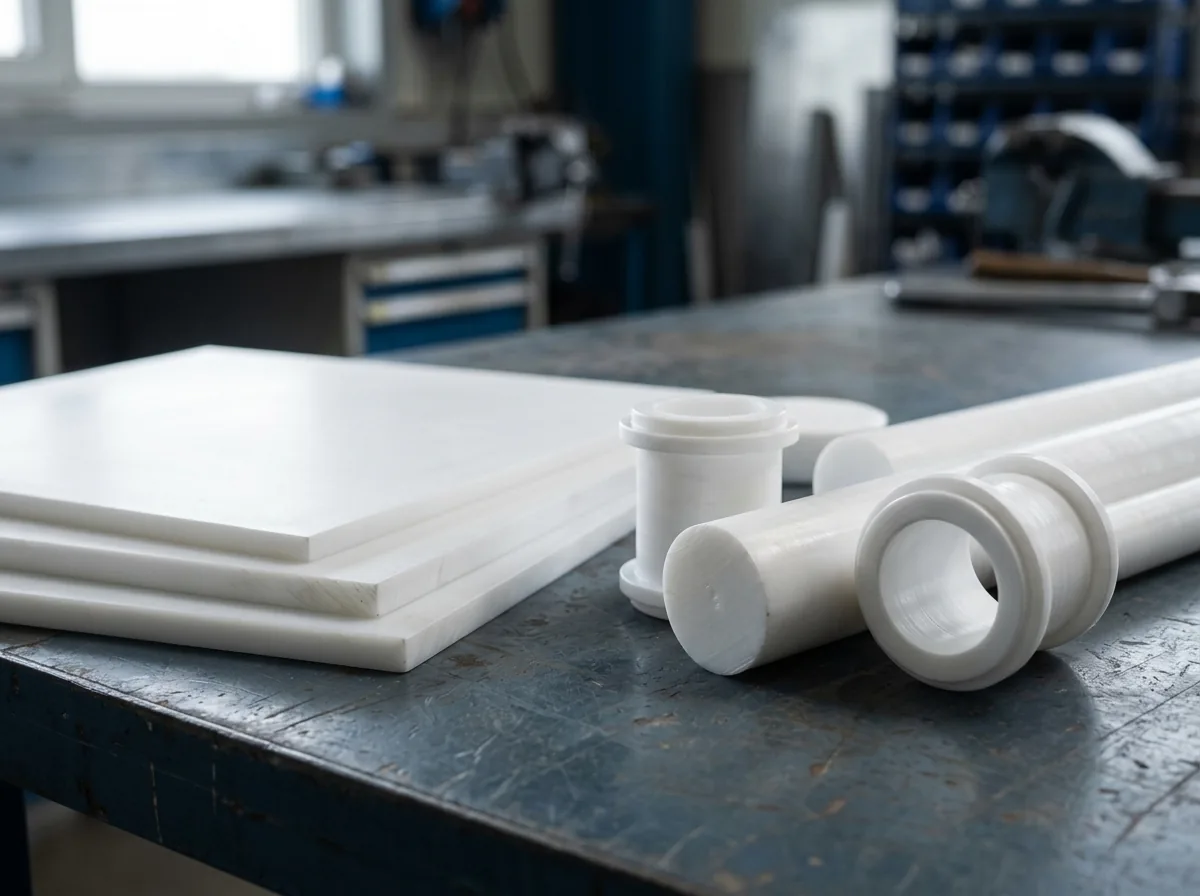
Polytetrafluoroethylene (PTFE)
PTFE is a high-performance plastic with almost universal chemical resistance. Hardly any other polymer withstands such a broad range of chemicals, including aggressive acids, alkalis and solvents. PTFE remains stable even at temperatures above 250 °C and has excellent sliding properties.
It is used wherever extreme conditions prevail – for example in seals, pump parts, linings or highly specialised apparatus. Due to its unique properties, however, PTFE is more cost-intensive than standard plastics.
Polyamide (PA)
Polyamide is an engineering plastic that impresses with good strength and wear resistance. Chemically, however, PA shows limitations, as it absorbs moisture and can thereby change its properties. It is resistant to many oils, greases and solvents, but reacts sensitively to strong acids and some bases.
In practice, PA is preferably used in machine elements, bearings and gears, where mechanical loads are the main focus and chemical exposure remains manageable.
Polyoxymethylene (POM)
POM combines high dimensional accuracy and strength with relatively good resistance to many alcohols, weak acids and greases. On contact with strong acids and alkalis, however, POM quickly reaches its limits.
This plastic is particularly suitable for precision parts, for example gears, valves or housing parts in engineering. Its chemical resistance is sufficient for many applications, but does not make it the first choice for strongly aggressive media.
Polyvinylidene fluoride (PVDF)
PVDF occupies an intermediate position between standard and high-performance plastics. It is chemically very resistant, in particular to acids, alkalis and many solvents, and at the same time mechanically more stable than PTFE.
In addition, PVDF offers good temperature resistance and is easier to process. It is therefore frequently used in the chemical and semiconductor industry, for example for pump parts, coatings or membranes.
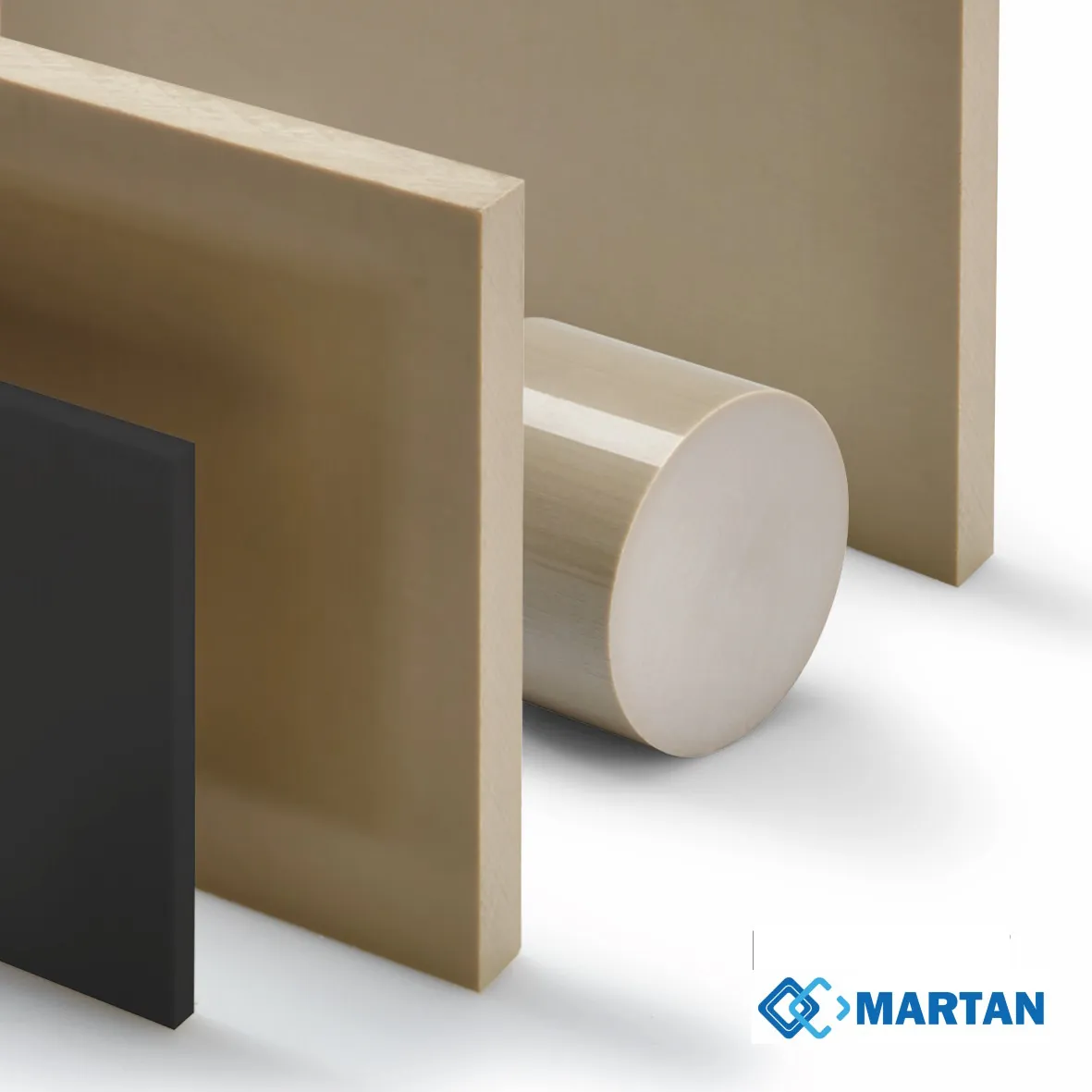
Polyetheretherketone (PEEK)
PEEK is a high-performance polymer with outstanding resistance to chemicals and high temperatures. It combines mechanical strength with stability in aggressive media, which makes it a preferred material in extreme areas of application.
Typical applications are found in aerospace, medical technology or the oil and gas industry. PEEK is cost-intensive, but is worthwhile wherever other plastics would fail.
Resistance list for plastics: Which materials are chemically resistant?
| Plastic | Chemical resistance – general classification |
|---|---|
| PE | good resistance to many acids and alkalis |
| PP | very good resistance to numerous chemicals |
| PVC | good resistance to many acids and alkalis |
| PVDF | very high chemical resistance |
| PTFE | exceptionally high chemical resistance |
| PEEK | high resistance even under demanding conditions |
Influencing factors on material selection
- Chemical and concentration – example: 10 % sulphuric acid requires a different material than 70 %.
- Temperature – high temperatures accelerate reactions and can considerably reduce resistance.
- Duration of exposure – continuous loads are more critical than short-term contacts.
- Mechanical load – tension, pressure and bending often intensify the effect of chemicals.
- Interactions – combinations of media can produce unpredictable effects.
- Regulatory requirements – special regulations apply in the food, medical or pharmaceutical sector (e.g. FDA, EU regulations).
Table overview – examples of resistance
| Plastic | Acids | Alkalis | Solvents | Oils & greases |
|---|---|---|---|---|
| PE | good | very good | limited | moderate |
| PP | good | very good | limited | good |
| PVC | very good | good | weak | moderate |
| PTFE | excellent | excellent | excellent | excellent |
| PA | weak | moderate | good | good |
| POM | moderate | weak | good | good |
| PVDF | very good | very good | good | very good |
Practical tips for designers and buyers
For designers and buyers, it is important to rely on sound sources of information when selecting materials. Resistance lists and manufacturers' databases offer valuable orientation, but should never be the sole basis for a decision.
It is advisable to carry out tests with test specimens under real conditions before starting series production. A safety factor should always be included, in particular where high temperatures or long exposure times are present.
In some cases, it is more economical and safer not to rely on solid plastic parts, but to consider alternative solutions such as coatings or linings. Equally decisive is complete documentation of the tests and approvals in order to facilitate internal releases and to be safeguarded in the event of audits or certifications.
Avoiding typical mistakes
A common mistake is to use untested plastics in critical applications and to underestimate their limits. In particular, exposure to high temperatures and pressures is often not sufficiently taken into account, which can drastically reduce resistance.
The interaction of various chemicals is also frequently overlooked in practice, although it can lead to unpredictable reactions. Equally problematic is the omission of practical tests that would reveal possible weak points in advance.
Finally, it often happens that companies make decisions without consulting manufacturers or material suppliers and thereby forgo important information. Such omissions can be avoided through careful planning, tests and close cooperation with experts.
In summary
The chemical resistance of plastics is a central criterion in material selection. With a precise analysis of medium, concentration, temperature, duration of exposure and mechanical load, you considerably extend the service life of your components and increase operational safety. Use resistance lists, rely on practical tests and fall back on proven materials such as PTFE, PVDF or PEEK when the highest requirements exist.
In addition, it is advisable to consider material selection not only technically but also economically. An expensive high-performance plastic is not required in every case – often standard materials can represent an equally safe solution under suitable operating conditions.
Decisive is a comprehensive assessment of the operating environment as well as close coordination between designers, buyers and material suppliers. In this way, risks can be minimised, costs optimised and the long-term reliability of the systems used secured.
In summary: Anyone who includes the chemical resistance of plastics in planning from the outset not only increases operational safety, but also reduces maintenance effort and total costs over the service life of the products.
FAQ
Which plastics are the most chemically resistant? PTFE, PVDF and PFA are among the most resistant plastics and withstand most chemicals.
Why is temperature so important? Chemical reactions proceed faster at higher temperatures, which can reduce resistance.
Can chemical resistance be calculated? No, it is determined through tests, empirical values and manufacturer specifications, as many factors act in combination.
Where can I find resistance lists? From plastic manufacturers, in technical data sheets or industry-specific tabular works.
When should alternatives such as coatings be used? If the chemical exposure is high and solid plastic parts are not economical or permanently stable, coatings or linings can be a sensible solution.
What role does mechanical load play? Mechanical stresses such as tension, pressure or bending can intensify the effect of chemicals and significantly shorten the service life of the plastic.
Are high-performance plastics always the better choice? Not necessarily. They do offer higher safety, but are cost-intensive. Often standard plastics can represent an equally reliable solution with suitable design and controlled conditions.