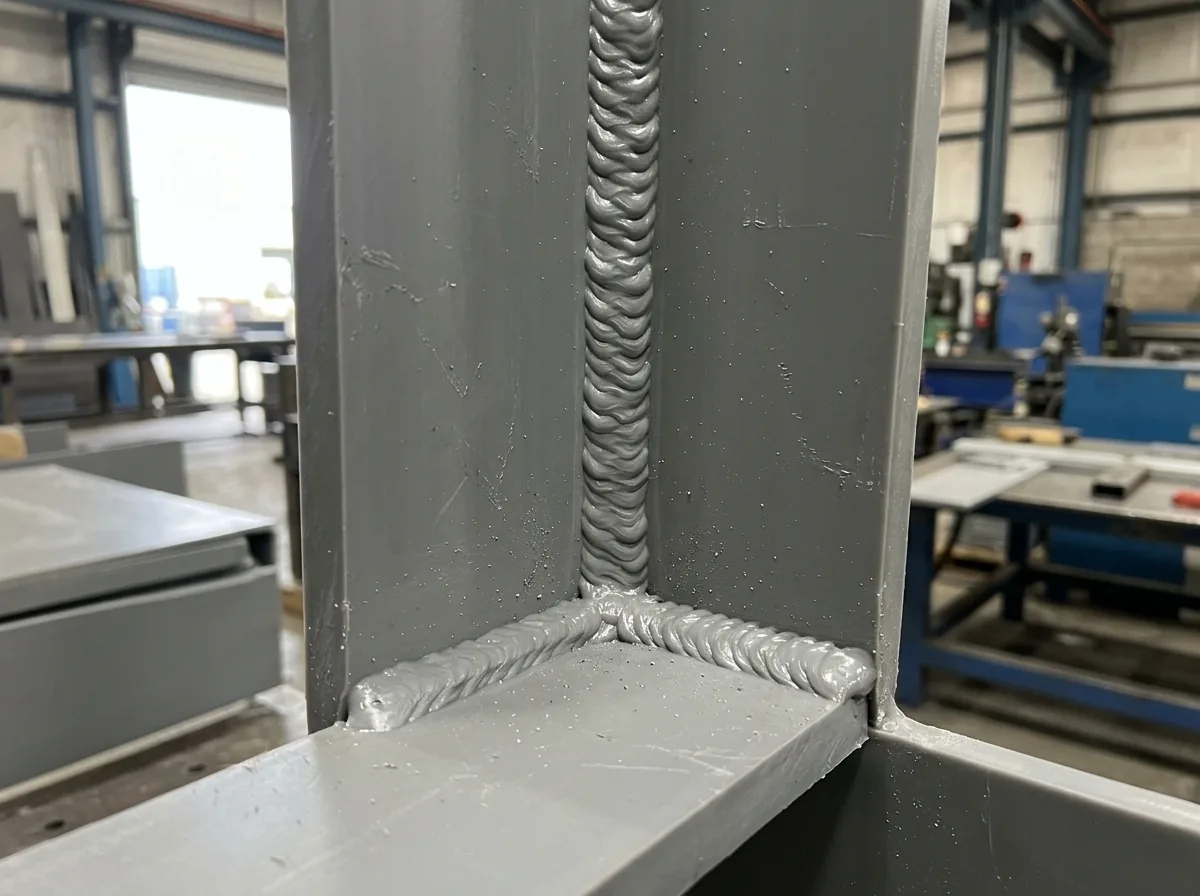
 This image was created with artificial intelligence – marked under Art. 50 of the AI Act, Regulation (EU) 2024/1689. It is a placeholder until the company's photos arrive.
Sustainable plastics: How does recycling work?
Which types of plastic can be recycled? How plastic recycling works, what recyclates are and which materials are suitable.
Plastics are impossible to imagine our everyday lives without. Whether in packaging, vehicle parts, medical devices or electronic products – their versatile applications make them a permanent feature of modern societies.
But high consumption comes at a price: millions of tonnes of plastic waste are generated worldwide every year. This not only burdens the environment but also the climate. Microplastics end up in the oceans, animals mistake plastic remnants for food, and the incineration of plastic releases CO₂.
Against this backdrop, the recycling of plastics is a decisive lever for conserving resources, reducing emissions and relieving the burden on the environment in the long term.
The diversity of plastics and their significance for recycling
Plastic is not the same as plastic. Depending on their structure and material properties, plastics are classified into thermoplastics, thermosets and elastomers, among others. This distinction is particularly important when it comes to recyclability.
But which types of plastic are there and can all of them be recycled? No. Not all plastics can be recovered in the same way or with the same effort. Many thermoplastics are particularly well suited to material recycling because they can be reshaped by heating. With thermosets and classic elastomers, by contrast, such re-melting is not possible or is considerably more difficult.
How the recycling of plastics works in detail
The journey of a plastic product from waste back to raw material is complex and consists of several stages that must be carefully coordinated with one another.
At the beginning comes collection. In Germany, this takes place via the dual system with the yellow bin or the yellow bag. In addition, there are recycling centres where larger quantities of single-grade plastics can be handed in.
These collected wastes go to sorting facilities, where modern technologies – such as near-infrared spectroscopy – are used to separate them automatically by plastic type, colour and material properties. This sorting is crucial, because only single-grade plastics can be recycled to a high standard.
Sorting is followed by cleaning. Plastic waste is often contaminated with labels, adhesives or food residues. A thorough wash removes these residues. The plastics are then shredded – usually into small snippets or so-called flakes – which are then dried and inspected again to rule out foreign substances.
In the next step, the cleaned flakes are melted down and processed into regranulate. This regranulate represents the actual secondary raw material from which new plastic products can be made.
In many areas – such as packaging, housings for electrical appliances or even items of furniture – recyclate is already being used today.
The purity of the starting material is decisive for the quality of the end product. The better the separation and cleaning, the higher the quality of the regranulate and the broader its possible applications.
Which types of plastic can be recycled?
| Type of plastic | Examples | Recyclability |
|---|---|---|
| Thermoplastics | PE, PP, PET, PA | generally well suited to material recycling, provided the material is sufficiently single-grade and clean |
| Thermosets | for example epoxy and phenolic resins | cannot be re-melted; recycling is technically more complex |
| Elastomers | for example vulcanised rubbers | recoverable only to a limited extent or using special processes |
| Thermoplastic elastomers (TPE) | various TPE material groups | can be processed again thermoplastically depending on their composition |
Thermoplastics such as polyethylene (PE), polypropylene (PP) or polyethylene terephthalate (PET) have a key advantage for recycling: they can be heated, melted down and processed again. From suitable plastic waste, recycled plastic or recyclate can thus be produced, which is used again as a raw material for new products.
However, this does not mean that every thermoplastic plastic is automatically recycled. In practice, single-grade purity, contamination, additives, material composites and the available recycling processes, among other things, influence whether high-quality material recovery is possible. The actual possible applications of a recyclate also depend on its quality and its later use.
Thermosets, by contrast, have a permanently cross-linked structure and cannot simply be re-melted after curing. Classic elastomers are also more difficult to recycle because of their cross-linking. Other mechanical, chemical or thermal processes are therefore an option for these material groups.
For applications with particularly demanding materials, separate requirements apply once again. You can find out more in the article Recycling of high-performance plastics.
Challenges and limits of plastic recycling
Despite technical progress, the recycling of plastics faces several challenges. One of the biggest hurdles is the diversity of the plastic types used.
In many products, different materials are combined – for example in packaging with multiple layers of plastic, aluminium or paper. Such composite materials are difficult to separate and recycle.
The economic situation poses another problem. Newly produced plastics from petroleum are in many cases cheaper than recycled variants, which makes the use of recyclates unattractive for companies.
Added to this are infrastructural deficits – particularly in countries without nationwide collection and recovery systems – which limit the global recycling potential.
The quality of recyclates is also not always sufficient for high-quality applications. Requirements are particularly high in the food sector. Only very pure materials may be used here, which is why at present only a small proportion of recycled plastic can be used for food packaging.
The path to sustainable materials
In order to overcome the challenges of classic plastic recycling, alternative materials are increasingly coming into focus. Biodegradable plastics, which decompose under certain conditions, are considered promising.
However, they are not automatically better for the environment, since they are often degradable only under industrial conditions and persist in the environment for about as long as conventional plastic.
Bio-based plastics, i.e. plastics made from renewable raw materials such as maize starch or sugar cane, also offer potential. They can replace fossil raw materials and thus help to reduce CO₂ emissions.
Nevertheless, a critical view is also necessary here: cultivating the raw materials requires large areas of agricultural land and can compete with the cultivation of food.
A third approach is so-called design for recycling. Here, products are designed from the outset in such a way that they are particularly easy to recycle – for example by using a single type of plastic or by means of easily detachable connections.
Responsibility in industry: sustainability begins with design
More and more companies recognise that sustainable action does not begin with recycling but already with product design. Anyone who pays attention to easily recyclable materials from the outset reduces the effort involved in the recycling process and improves the chances of a closed material cycle.
Some manufacturers go even further and develop take-back systems with which they collect their products again after use, reprocess them and feed them back into the production cycle.
The use of transparent communication about material composition and recyclability is also becoming increasingly important. Customers demand traceable information and consciously opt for sustainable solutions.
Conclusion: the future lies in the closed loop
The recycling of plastics is one of the central challenges of our time. It not only helps to reduce the amount of waste but also conserves valuable resources and reduces CO₂ emissions. But recycling alone is not enough. Only if plastics are already conceived, designed and used sustainably during manufacture can a genuine transformation towards a resource-conserving circular economy succeed.
Sustainable materials, innovative technologies and a rethink in industry are the key here. They open up new ways of making plastic consumption more environmentally compatible – for a future in which cycles are truly closed.
Frequently asked questions on the subject of plastic recycling
Which plastics can be recycled best?
Thermoplastics such as PET, PE and PP are the easiest to recycle, since they melt when heated and can thus be reshaped several times.
What happens to recycled plastic?
Recycled plastic is cleaned, shredded and melted down. So-called regranulate is then produced from it, which serves again as a raw material for new products – for example for packaging, films or technical components.
Why is bio-based plastic not automatically environmentally friendly?
Bio-based plastics are indeed made from renewable raw materials, but they are not necessarily biodegradable. In addition, cultivation and processing can involve high resource consumption – for example through the use of water, fertiliser or pesticides.