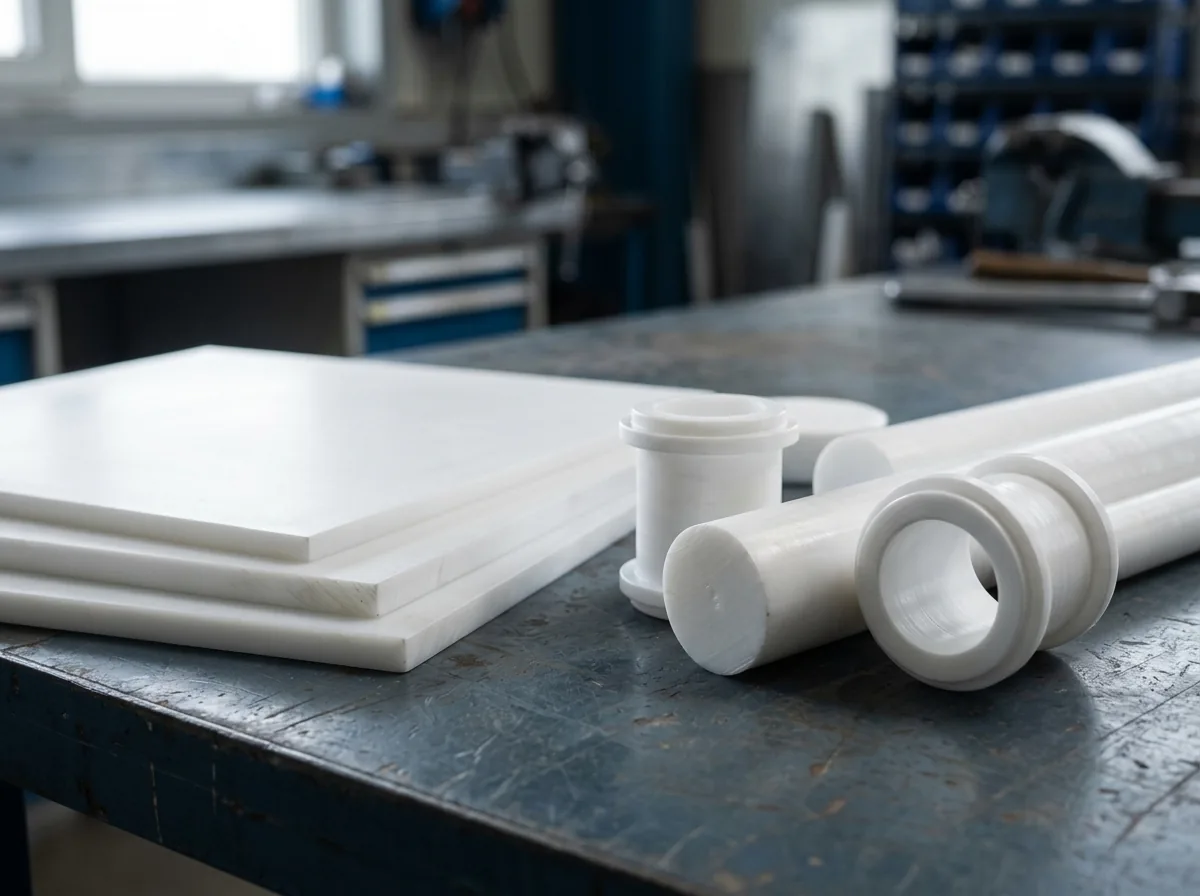
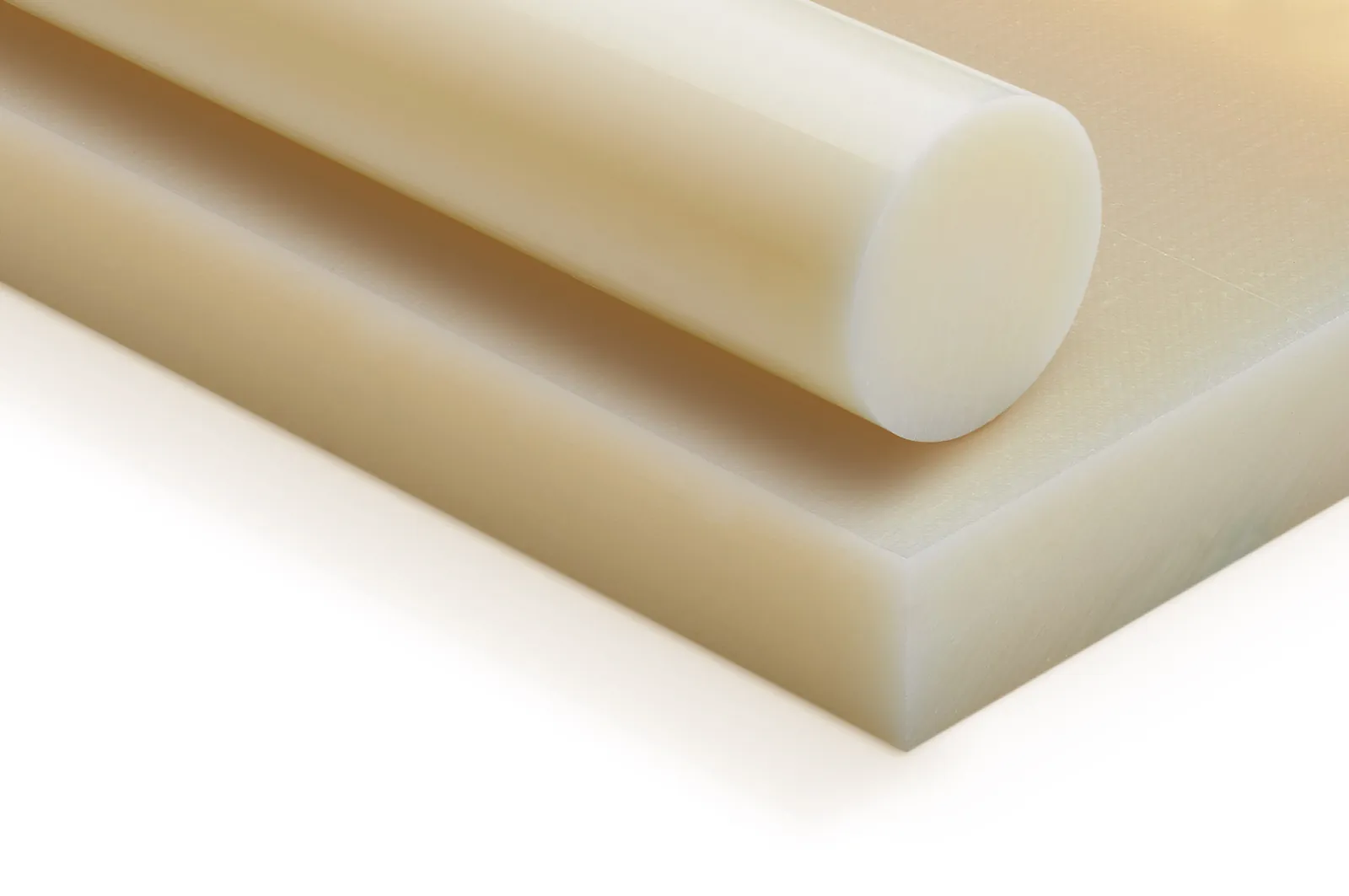
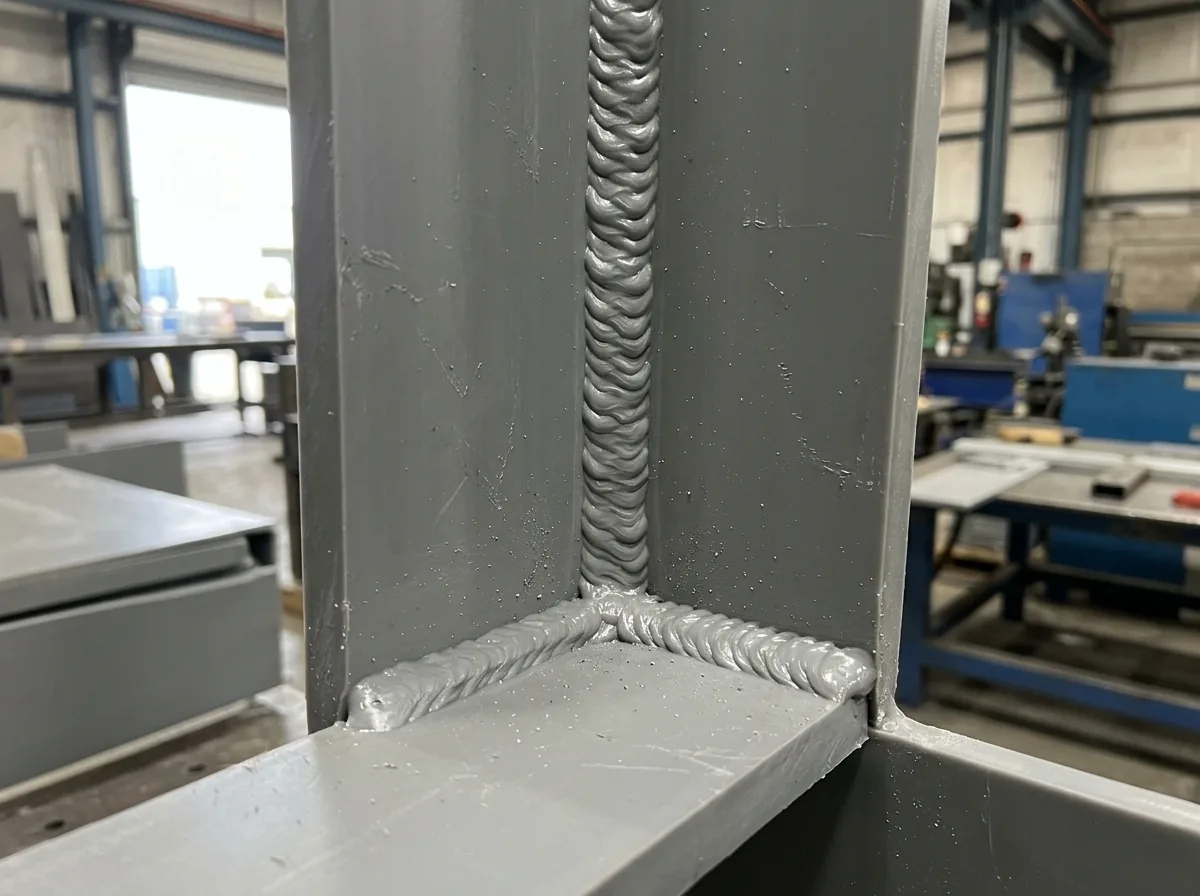
 This image was created with artificial intelligence – marked under Art. 50 of the AI Act, Regulation (EU) 2024/1689. It is a placeholder until the company's photos arrive.
Traffic engineering
Engineering plastics for transport technology: PE, PP, PC, PA and other materials for components, sheets and individual applications.
In traffic engineering, components and structural elements must withstand mechanical loads, weather, moisture and fluctuating temperatures over the long term. At the same time, low weight, corrosion resistance and economical processing play an important role.
Engineering plastics offer versatile possibilities for this. Depending on the application, for example polyethylene (PE), polypropylene (PP), polycarbonate (PC), polyamide (PA) or other engineering and high-performance plastics may be considered.
Martan Plastics supports you in selecting suitable materials as well as in the manufacture of custom plastic components and semi-finished products for applications in traffic engineering.
What is traffic engineering?
Traffic engineering covers technical equipment, components and systems that serve the control, organisation and safety of traffic. This includes applications in road traffic as well as components for rail transport, traffic infrastructure and technical equipment along traffic routes.
Alongside electronic and mechanical systems, the materials used also play an important role. Components installed outdoors, for example, must be designed to withstand moisture, temperature fluctuations, UV radiation and mechanical loads.
Traffic engineering objects in the road environment
Traffic engineering objects in the road environment include, for example, traffic signs, direction signs, guide and protective elements, covers, housings, brackets, reflectors, spacers and components of traffic control systems.
Which plastics are suitable for such applications depends on the specific design and load. Typical requirements are:
- high impact and fracture resistance
- weather and moisture resistance
- low component weight
- corrosion resistance
- electrical insulation
- wear resistance
- good machinability
- defined dimensional accuracy
An overview of suitable materials can be found in our Materials section.
Which plastics are used in traffic engineering?
Requirements differ considerably depending on the component. That is why there is no single plastic for traffic engineering.
Polyethylene (PE)
PE plastic combines low density with good toughness and chemical resistance. Depending on the particular PE type, the material is suitable for robust structural elements, sliding and wear parts as well as components exposed to moisture and mechanical loads.
Polypropylene (PP)
Polypropylene is characterised by low weight and good resistance to numerous chemicals. PP can be used, for example, for technical covers, containers, cladding and structural components.
Polycarbonate (PC)
Where high impact strength and, if required, transparency are needed, polycarbonate is an interesting material. PC absorbs impact energy and has high fracture resistance. This makes it suitable, among other things, for protective screens, transparent covers, viewing windows and robust housings. For outdoor applications, a correspondingly suitable or UV-stabilised material grade should be selected.
Polyamide (PA)
Polyamide is used particularly for mechanically stressed components. Good strength and, depending on the type, favourable friction and wear properties make PA interesting, for example, for guides, rollers, bearings and other functional parts.
ABS
ABS plastic offers a combination of strength, impact strength and good processability. The material is particularly suitable for housings, cladding and technical moulded parts. For outdoor applications, the respective material properties and requirements for weather resistance must be taken into account.
PTFE
For applications with special requirements regarding friction, sliding properties or chemical resistance, PTFE can be used. Typical applications are sliding, guide, sealing or insulation elements.
Plastic sheets with high impact strength and energy absorption
For protective covers, enclosures and other impact-stressed structures, a plastic's ability to absorb impact energy can play an important role.
Polycarbonate in particular has a very high impact strength and absorbs impact energy without immediately breaking or splintering. This makes PC suitable, among other things, for robust protective screens and covers.
Whether a plastic sheet is suitable for a specific safety or protective function must, however, be verified on the basis of material type, sheet thickness, component geometry, temperature range and the loads that actually occur.
Various plastic semi-finished products are available for custom designs.
Applications of plastics in road traffic
In road traffic, engineering plastics can be used, for example, for the following components:
- housings and covers of traffic equipment
- protective and viewing screens
- structural brackets and spacers
- guide and alignment elements
- cladding
- insulating components
- sliding and wear components
- technical sheets and cut pieces
- custom-manufactured plastic components
Particularly for traffic engineering objects in the road environment, a material-appropriate design is important. Impact stress, temperature, moisture, UV exposure, cleaning agents and continuous mechanical load should be taken into account already during material selection.
Plastics for rail transport
In rail transport, too, engineering plastics are used for numerous structural and functional components.
Possible applications include, for example:
- electrical insulating components
- guides and sliding components
- bearing and wear parts
- housings and covers
- spacers
- structural interior components
For mechanically stressed components, polyamides, for example, may be of interest. Where there are special requirements regarding temperature, chemicals or electrical properties, high-performance plastics are also available.
Advantages of engineering plastics in traffic engineering
Depending on the application, engineering plastics can offer several advantages over metallic materials.
Low weight: Many plastics have a significantly lower density than metallic materials and therefore enable lighter constructions.
Corrosion resistance: Plastics do not rust and can therefore be interesting for components in damp or weather-exposed areas.
Impact strength: Materials such as polycarbonate can absorb high mechanical impact loads.
Electrical insulation: Various engineering plastics have good electrical insulating properties and are therefore suitable for corresponding components.
Wear and sliding properties: Materials such as PA or PTFE can be used for bearings, guides and moving components.
Flexible manufacturing: Plastic semi-finished products can be processed into custom components using various manufacturing processes.
Custom plastic parts for traffic engineering
Many applications in traffic engineering do not require standard components, but rather individually designed components.
In addition to material selection, Martan Plastics also offers plastic machining to individual requirements. From suitable semi-finished products, for example sheets, covers, guide elements, spacers, housings or other technical components can be manufactured.
For precise contours, holes and custom geometries, plastic parts can be produced, among other things, by CNC milling.
Which plastic is suitable for your application?
The selection should not be made on the basis of the material name alone. For traffic engineering applications, the following factors in particular should be checked:
- mechanical load and impact stress
- service temperature
- indoor or outdoor application
- UV and weather exposure
- contact with water, oils or chemicals
- required stiffness and impact strength
- friction and wear behaviour
- electrical requirements
- desired component geometry
- manufacturing process and tolerances
Martan Plastics supports you in selecting a suitable engineering plastic for your application and in manufacturing the component to match your requirements.
Frequently asked questions about plastics in traffic engineering
What are traffic engineering objects in the road environment?
Traffic engineering objects in the road environment are equipment and components that serve traffic routing, traffic control or traffic safety. These can include, for example, traffic signs, guide elements, housings, covers, reflectors and components of control systems.
Which plastics are used in traffic engineering?
Depending on the field of application, PE, PP, PC, PA, ABS and various high-performance plastics may be considered, among others. Which material is suitable depends in particular on mechanical load, weather, temperature, chemical contact and structural requirements.
Which plastic has a high impact strength?
Polycarbonate has a particularly high impact and fracture resistance and can absorb impact energy. PC is therefore frequently used for protective screens, viewing windows, covers and robust housings.
Are plastics suitable for outdoor use?
Many plastics can be used outdoors. The specific suitability depends, however, on the material type. In particular, UV radiation, temperature changes, moisture and the desired service life must be taken into account during selection.
Can plastic parts for traffic engineering be manufactured individually?
Yes. Martan Plastics offers machining of engineering plastics and manufactures custom components from suitable semi-finished products. For complex contours and precise component geometries, CNC milling of plastics is available, among other things.
Plastic solutions for your traffic engineering application
Whether plastic sheets, semi-finished products or custom-manufactured components: the right solution always depends on the actual operating conditions.
Discover our engineering plastic materials and plastic semi-finished products or talk to us about your specific application. We support you from material selection through to the finished plastic component.