PEEK granulate – types, processing & technical applications
PEEK granules: variants, processing by injection moulding and extrusion. Typical applications in mechanical engineering, electronics and medical technology.
PEEK granulate is the basis for numerous high-performance applications. Whether injection moulding, extrusion, additive manufacturing or compounding – the granulate significantly determines the subsequent material properties. This article shows which granulate types exist, how PEEK is processed and in which areas it is preferentially used.
Which PEEK granulate types are there?
PEEK granulates differ depending on purity, additives and flow behaviour. Typical variants are:
- pure natural (highest purity, standard for technical components)
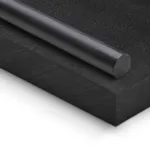
- black coloured (improved absorption behaviour, visually homogeneous)
- glass fibre reinforced (30–40 %) for increased rigidity
- carbon fibre reinforced for extreme strength and thermal conductivity
- special granulates for medical technology or electrical high-performance components
Background knowledge on the material structure is provided by the PEEK material science as well as the overview PEEK semi-finished products.
Processing of PEEK granulate
PEEK is predominantly processed by injection moulding or extrusion. Both processes require precise process control, as PEEK degrades when overheated and does not flow sufficiently at too low a temperature.
1. Injection moulding
- Mould temperatures: 160–200 °C
- Melt temperature: approx. 360–400 °C
- Drying: absolutely necessary to prevent hydrolysis
Injection-moulded PEEK components possess very good mechanical properties and are suitable for complex geometries.
Further reading: Extruding PEEK and additionally thin PEEK sheets.
2. Extrusion
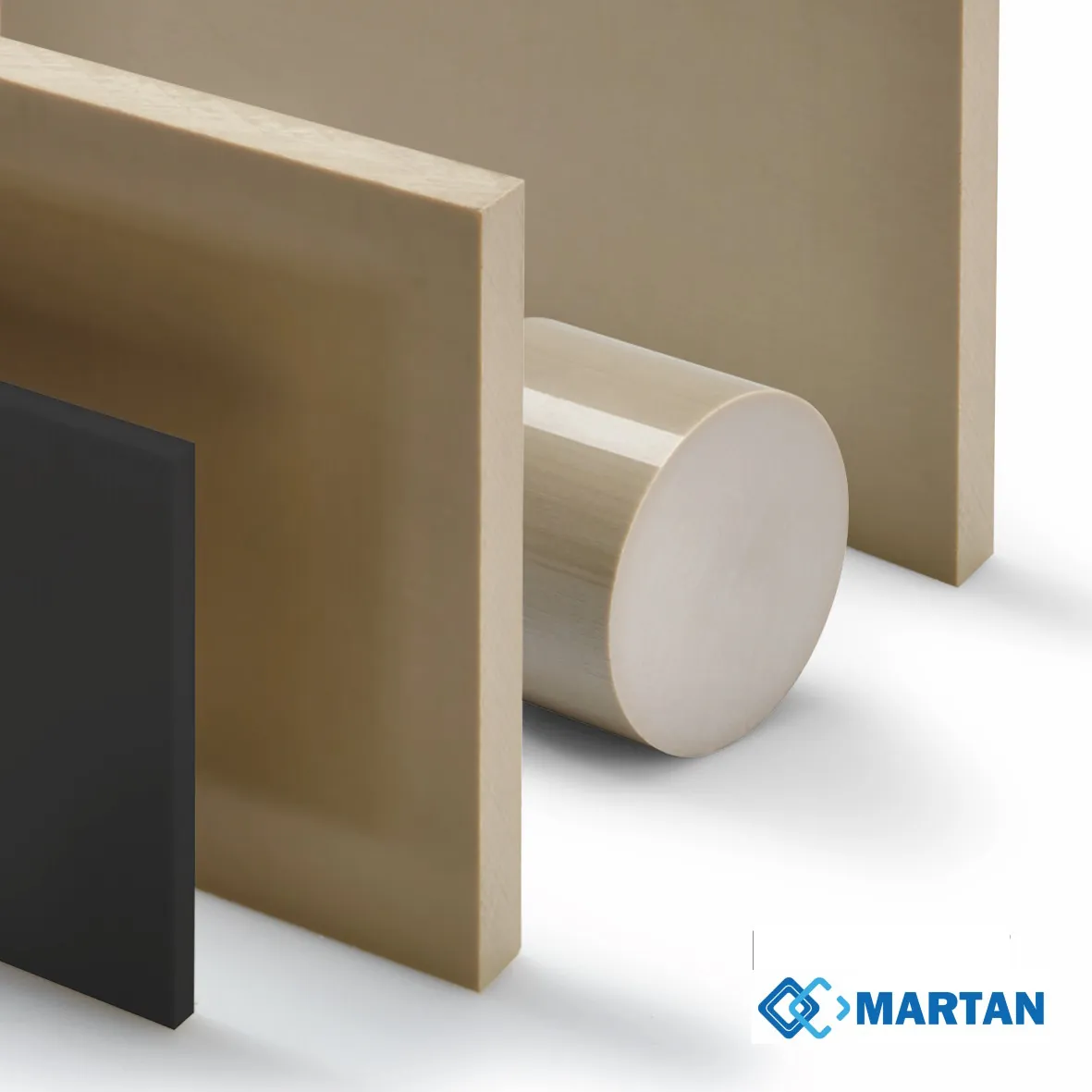
Extrusion is used when semi-finished products are to be produced from granulate. Application examples:
- PEEK sheets
- PEEK rods
- PEEK tubes
Product examples from the range:
Further fundamentals on extrusion: Extrusion technologies as well as the article thermoplastic plastic semi-finished products.
Properties of PEEK granulate
PEEK granulates are characterised by:
- extreme temperature resistance (up to 250 °C continuous use)
- very good chemical resistance
- high mechanical strength
- stable electrical insulation
- excellent creep and wear resistance
Depending on the additives, these properties change significantly.
Typical applications
PEEK granulate is used wherever components must withstand extreme conditions:
- Electronics: connectors, insulating parts
- Automotive: transmission components, bearings, coupling elements
- Medical technology: implants, instruments
- Mechanical engineering: highly loaded guides, bushes, housings
- Fluid technology: pump parts, chemical-resistant valve components
The historical development and significance of the material are explained in the PEEK history as well as in the technical overview high-performance plastics in mechanical engineering.
Quality characteristics of PEEK granulate
- uniform particle size
- high purity without foreign particles
- constant flowability (MFI)
- reproducible colour and crystallinity
Quality fluctuations can lead to uneven surfaces, reduced strength or processing problems.
FAQ
Which granulate types are there? Natural, black, glass fibre reinforced, carbon fibre reinforced and special variants.
Which processes are suitable for processing? Mainly injection moulding and extrusion.
Why is PEEK granulate so expensive? Complex synthesis, a high degree of purity and specialised processing determine the cost.
When is glass fibre reinforced PEEK worthwhile? When maximum rigidity and reduced thermal expansion are required.