Material selection for machine viewing windows: criteria, decision tree and practical examples
Practical guide to material selection for machine viewing windows: optics, safety, temperature, chemistry, standards. Comparison of PC, PMMA, PSU/PESU/PPSU, PEI, PCTG, PMP. Incl. decision tree and practical examples.
Function and requirements of viewing windows in machines
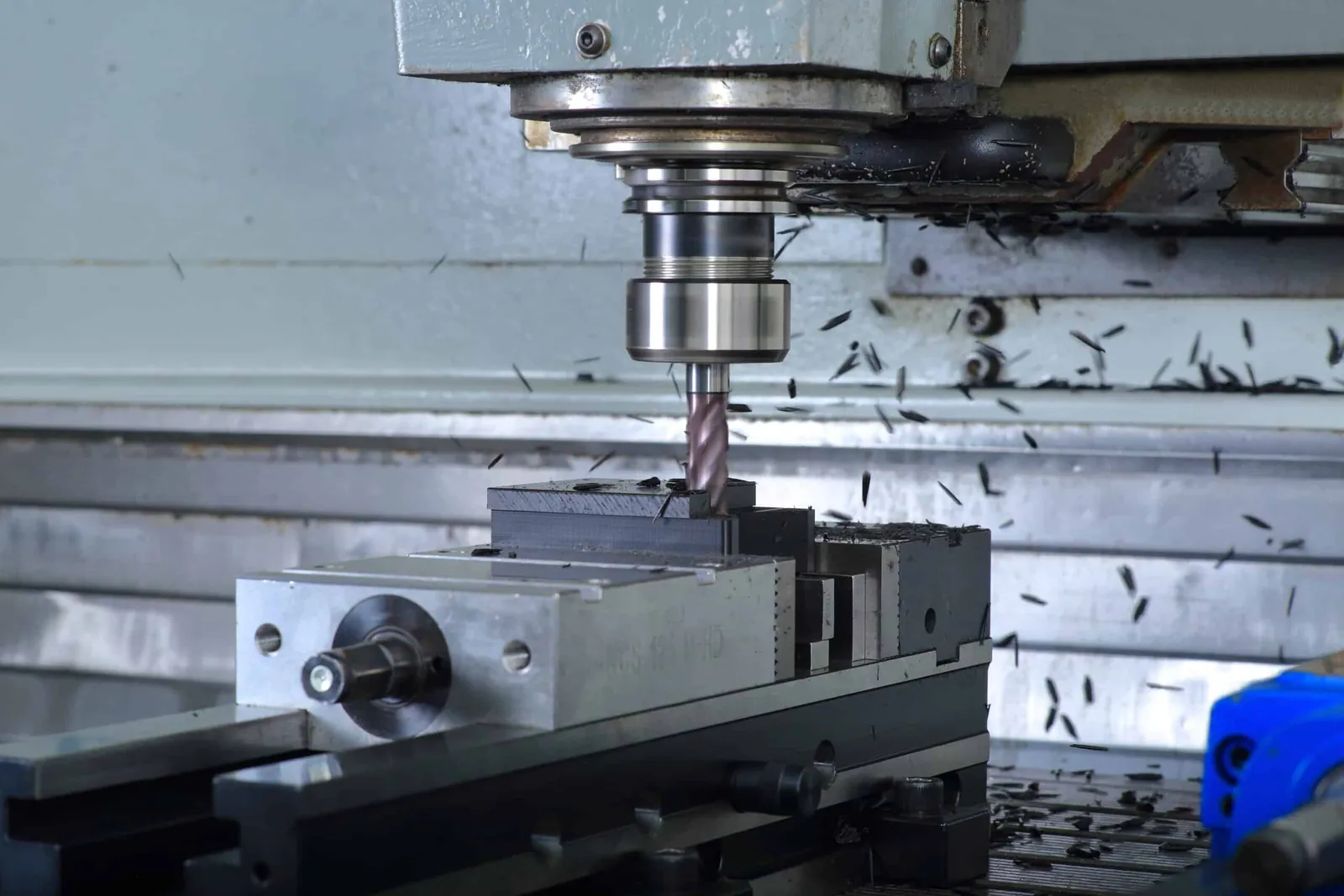
Viewing windows in machines combine process observation with personal safety and plant availability. The material must allow a clear view while withstanding mechanical impacts, temperature changes and media exposure. The right material choice influences service life, maintenance effort, safety level and total operating costs.
Decisive criteria in material selection
Optical requirements
For reliable process observation, high light transmission, low distortion and precise edge processing are decisive. Scratch resistance and anti-fog properties increase usability in operation. For cameras or sensors, homogeneous thickness, low birefringence and stable surface quality are important. When weighing up polycarbonate vs acrylic glass, optical clarity, scratch behaviour and interaction with coatings are set against mechanical safety requirements.
Safety and fracture behaviour
High impact strength reduces the risk of penetration and uncontrolled fracture patterns. Materials that fail ductilely are preferred in many protective applications. In critical cases, multi-layer constructions, protective films, hard coatings or defined replacement strategies are used. Safety requirements must be reconciled with the relevant machine safety standards and manufacturer specifications.
Temperature and thermal shock
Machine windows are frequently exposed to hot chips, heated air, process heat or hot cleaning media. Heat deflection temperature, continuous service temperature, thermal shock behaviour and the combination of temperature and mechanical load are decisive. Where temperature changes are frequent, materials with sufficient toughness and glass transition temperature are advantageous.
Media and chemical resistance
Cooling lubricants, oils, detergents, alcohols and disinfectants can lead to stress cracking or clouding. Material, coating, cleaning regime and sealants must be chemically compatible with one another. Tests with original media, conservative cleaning plans and documented approvals are recommended.
UV, weathering and ageing
UV radiation and weathering accelerate ageing and embrittlement. For outdoor use or intensive lighting, UV-stabilised grades and hard, UV-resistant coatings help. Ageing tests and planned inspection in maintenance secure optical quality and safety level over the service life.
Standards, approvals and documentation
For protective windows, coordinated requirements from machine safety, manufacturer instructions and industry-specific recommendations, for example from employers' liability insurance associations, apply. The specification of machine guard glazing belongs in the technical documentation, including material data, coatings, approvals and maintenance instructions.
Manufacturing, assembly and maintenance
Manufacturing processes influence optics and strength. Edge quality, controlled stress states, suitable hole patterns and defined tightening torques reduce stress cracks. Seals, low-stress clamping, protected edges and a coordinated cleaning plan extend service life. Replacement intervals should be defined on a risk basis.
Overview of material options for viewing windows
Polycarbonate (PC)
Polycarbonate is very impact-resistant and is frequently used in protective applications. It offers good optical properties, but without surface treatment it is more sensitive to scratching and sensitive to certain media. Hard coatings improve scratch and chemical resistance as well as UV stability. For critical processes, multi-layer constructions and defined testing and replacement concepts are customary.
Acrylic glass (PMMA)
PMMA offers very good optical clarity and scratch resistance. It is more brittle than PC and therefore less suitable for high impact energy. PMMA suits applications with high optical requirements and moderate mechanical stress. Media resistance must be carefully checked depending on cleaners and solvents.
PSU, PESU, PPSU
Transparent high-temperature thermoplastics such as PSU, PESU and PPSU combine good optical properties with high heat deflection temperature and robust media resistance. They are used where hot media, steam or intensive cleaning meet transparency.
PEI
PEI is transparent to slightly amber-coloured and suitable for applications with a higher continuous service temperature. It provides a good balance of dimensional stability, temperature resistance and electrical properties.
PCTG
PCTG offers good optical properties, easy processing and toughness at moderate temperatures. It is an option for viewing zones with low to medium mechanical stress when clarity and ease of manufacturing are the priority.
PMP
PMP is characterised by very high light transmission and low weight. It is used in applications that combine optical clarity with elevated temperatures and low density. Suitability and resistance to media must be verified on an application-specific basis.
Decision tree for material selection
Step 1: Classify impact and safety requirements
High impact energy or chip bombardment generally requires ductile, impact-resistant materials such as PC. Where risk is elevated, coatings, protective films, thicker cross-sections or multi-layer concepts must be planned. For low to medium mechanical stress, PMMA, PCTG or suitable high-temperature materials come into consideration.
Step 2: Take temperature profile and thermal shock into account
Maximum temperature, frequency of temperature changes and local hot spots define minimum requirements. PEI or sulfones score at high temperature. PC and PCTG are well suited at moderate temperatures if thermal shock and mechanical loads remain limited.
Step 3: Assess chemicals and cleaning
Cleaners, cooling lubricants and solvents can initiate stress cracks. The operator's media lists, in-house compatibility tests and conservative approvals are effective. Coated surfaces change resistance, so always test in the final layer combination.
Step 4: Define optics, sensor technology and coating
Define the transmission target, distortion limits and birefringence requirements at an early stage. Where there is frequent operator interaction, hard, chemical-resistant coatings are advisable. Anti-fog must be planned for where there is moisture or temperature gradients.
Step 5: Clarify UV and ageing requirements
Proximity to luminaires, outdoor exposure and cleaning cycles influence ageing. UV-stabilised grades and resistant coatings increase optical and mechanical stability over the service life.
Step 6: Define manufacturing and installation
Thermoforming, milling or drilling influence residual stresses and optics. Clean edges, suitable support and defined tightening torques reduce the risk of cracking. Select seals so that localised stresses are avoided.
Step 7: Define documentation, testing and replacement strategy
Material data sheet, coating structure, media approvals, test intervals and a risk-based replacement strategy belong in the technical documentation. Visual inspections, function tests and documented cleaning processes secure operation and compliance.
Practical examples and typical trade-offs
High mechanical safety with limited scratch resistance: PC with a hard coating combines impact strength with a robust surface. For very high optical requirements under moderate load: PMMA with clean edge processing provides clarity and low distortion. In a hot, media-intensive environment: PSU, PESU or PPSU combine temperature resistance with media resistance. For sensor or camera windows: low birefringence, constant thickness and a scratch-resistant, low-reflection surface are central. Near outdoor areas or intensive lighting: UV-stable grades and resistant hard coats secure long-term transparency.
Frequently asked questions
How do I dimension the thickness of a machine viewing window?
The thickness results from impact energy, span widths, clamping and safety target. Define load assumptions, choose a ductile material for high energy and validate the thickness through calculation and near-practice tests.
When are multi-layer constructions advisable?
Multi-layer concepts are advisable where there is an increased risk of penetration, when surface protection, optical quality and replaceability are to be optimised separately. They combine a carrier layer, a scratch-resistant top layer and optionally a splinter protection film.
How do I minimise stress cracking in operation?
Reduce residual stresses through adapted manufacturing and post-treatment, avoid notched geometries, choose compatible seals and test media on original samples. Coatings can increase resistance but must be validated on an application-specific basis.
What role do hard coatings and anti-fog play?
Hard layers increase scratch and chemical resistance. Anti-fog is relevant where there is moisture, cleaning or temperature gradients. The layer must match the base material and the cleaners and must always be tested in the final combination.
What else must be considered for camera windows and sensor technology?
Pay attention to low birefringence, homogeneous thickness, plane-parallel surfaces and low-scatter surfaces. Coatings must not impair contrast and calibration. Design mechanical clamping to be low-stress and low-distortion.
How do I plan replacement intervals for viewing windows?
Define risk-based intervals from the load collective, media exposure, visual inspection results and operating time. Establish limit criteria such as scratch pattern, degree of clouding or microcracks and document replacement in maintenance.