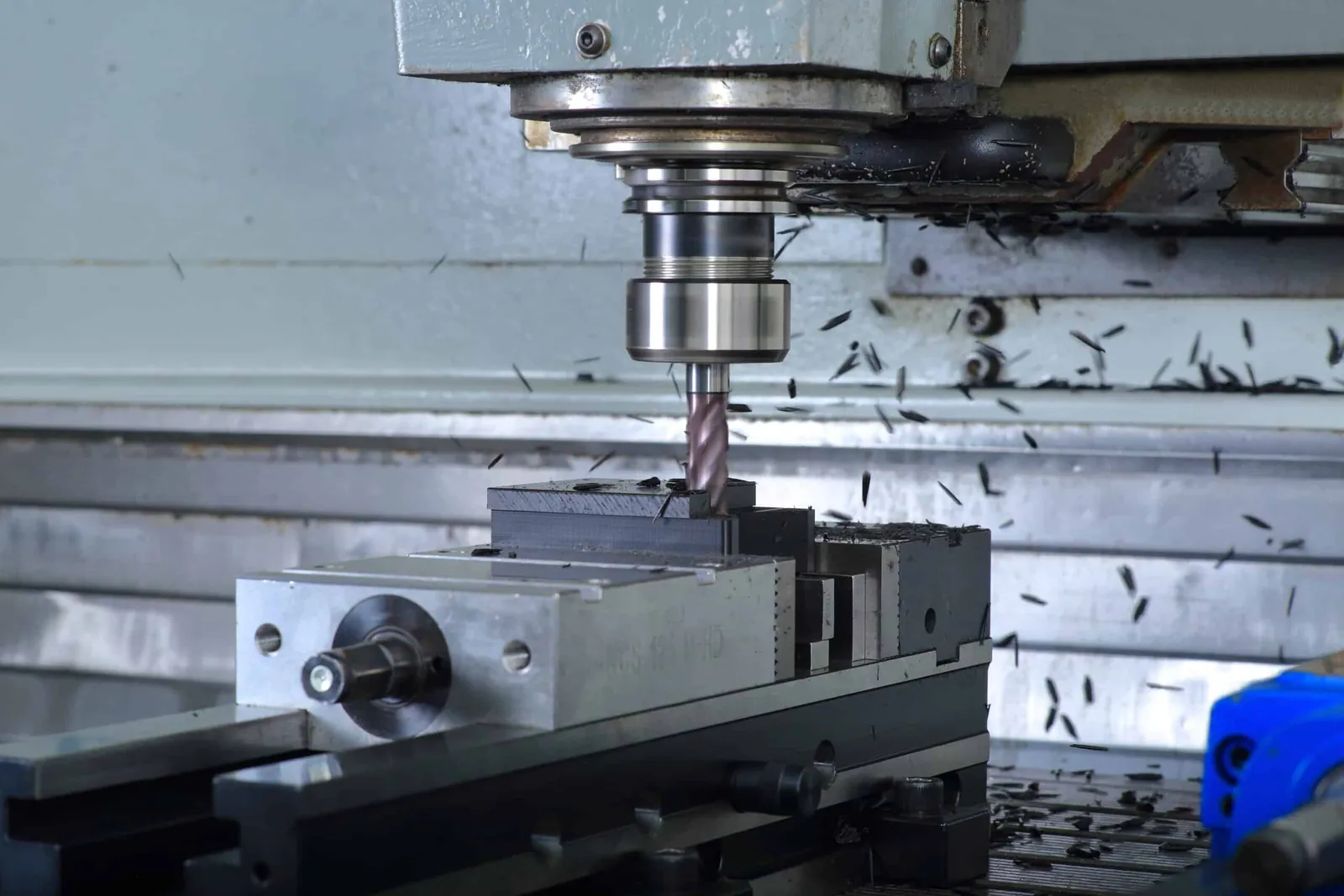
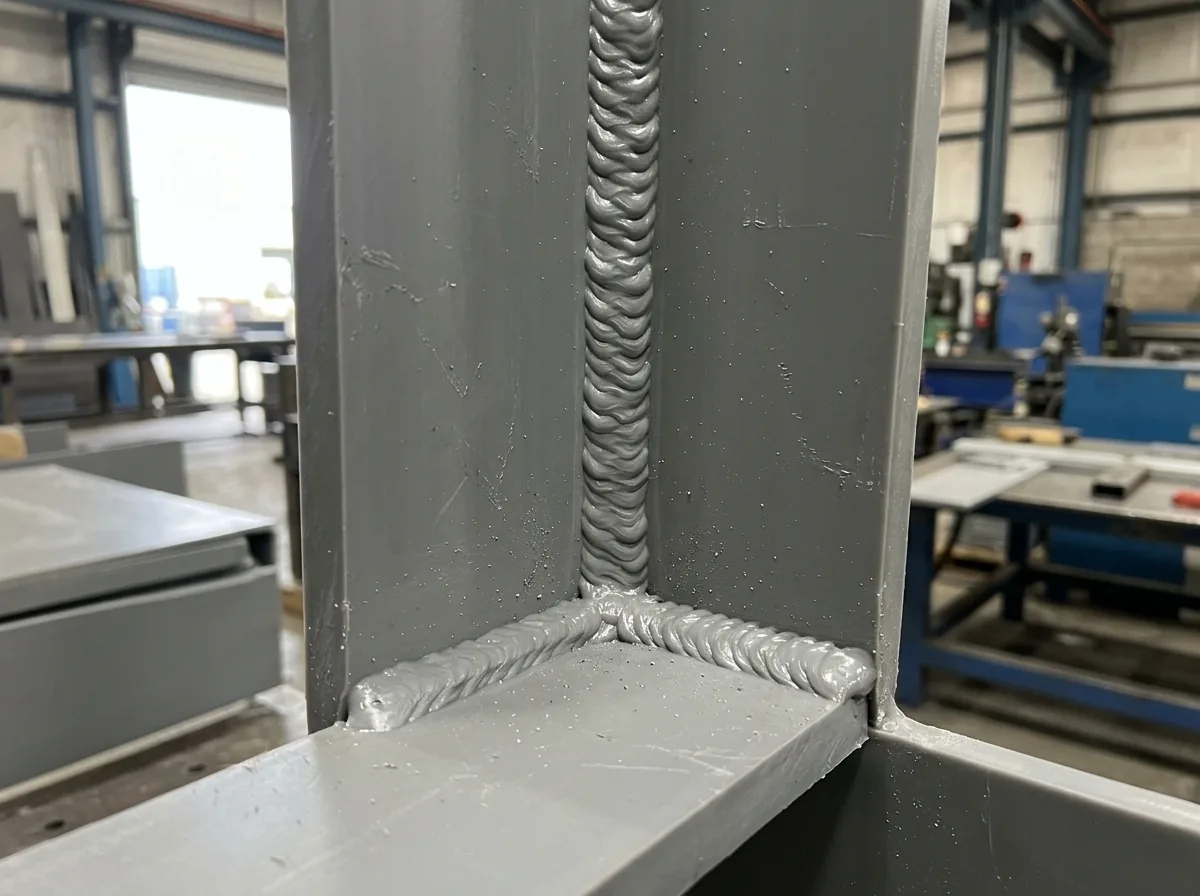
 This image was created with artificial intelligence – marked under Art. 50 of the AI Act, Regulation (EU) 2024/1689. It is a placeholder until the company's photos arrive.
Introduction to engineering plastics
This blog article explains the meaning and definition of industrial plastics and also the difference between thermoplastics and thermosets.
The definition and significance in industry
In the world of industry, whether in manufacturing, in the technology sector or in other branches of the economy, the definition and its significance are of crucial importance. It is a fundamental process that lays the foundation for the success of any company. In this article we will examine the definition and significance in industry in depth and shed light on why it represents a key component for success.
What is definition in industry?
Definition in industry refers to the clear and precise process in which objectives, standards, processes, products or services are unambiguously specified. This process is indispensable in order to ensure that all those involved within a company or an organisation have a common understanding of what is to be achieved and how this is to be done.
The significance in industry
Quality improvement: A precise definition of standards and processes leads to an improvement in product and service quality. By establishing clear expectations, errors can be minimised and quality standards****complied with.
Efficiency improvement: A precise definition enables companies to work more efficiently. By specifying clear processes and workflows, bottlenecks and inefficient practices can be identified and optimised.
Promotion of innovation: Definition in industry encourages innovation. By setting clear****objectives, employees are encouraged to find creative solutions in order to achieve these objectives. This promotes the spirit of innovation and helps companies to remain competitive.
Risk reduction: A precise definition helps to identify and minimise risks. By establishing clear objectives and processes, potential risk areas****can be identified at an early stage and appropriate measures taken in order to manage them.
The distinction between thermoplastics and thermosets
Plastics are indispensable from our modern lives. They are found in a multitude of applications, from packaging through to high-tech industrial components. Yet beneath the surface of the versatile world of plastics lies an important distinction: that between thermoplastics and thermosets. These two categories form the backbone of the plastics industry and each have their own unique properties and applications.
Thermoplastics: flexibility and transformability
Thermoplastics are the all-roundersof theworld of plastics. They make up the majority of the plastic products that we use every day. What distinguishes them? The name "thermoplastic" already points to their characteristic****property: under heat they become plastic and can be shaped and reshaped without changing their chemical structure. This means that they become soft when heated and can be****shaped, and return to their solid form when cooled. This process is reversible and makes it possible to recycle and reuse thermoplastics, which increases their environmental compatibility.
A further advantage of thermoplastics is their flexibility. They are generally elastic and can withstand bending and deformation without breaking. This makes them ideal for applications where flexibility and formability are required, such as in packaging, plastic containers, films and pipes.
Examples of thermoplastics are polyethylene (PE), polypropylene (PP), polyvinyl chloride (PVC), polystyrene (PS) and polycarbonate (PC).
Thermosets: robustness and resistance
In contrast to thermoplastics, thermosets are harder, more stable and less****flexible. They are characterised by their highmechanicalstrength and their chemical****resistance. The term "thermoset" indicates that they cureunderheat and form a solid, permanent****structure that cannot besoftenedor****shaped by****heat.
Once cured, thermosetsretaintheir****shape and strength, even under extreme conditions such as high temperatures or chemical influences. This makes them particularly****suitable for applications where stability and resistance are required, such as in the automotive industry for brake pads, in electronics for insulation or in the construction industry for composite materials.
Examples of thermosets are epoxy resins, phenolic resins, polyester resins and polyurethanes.