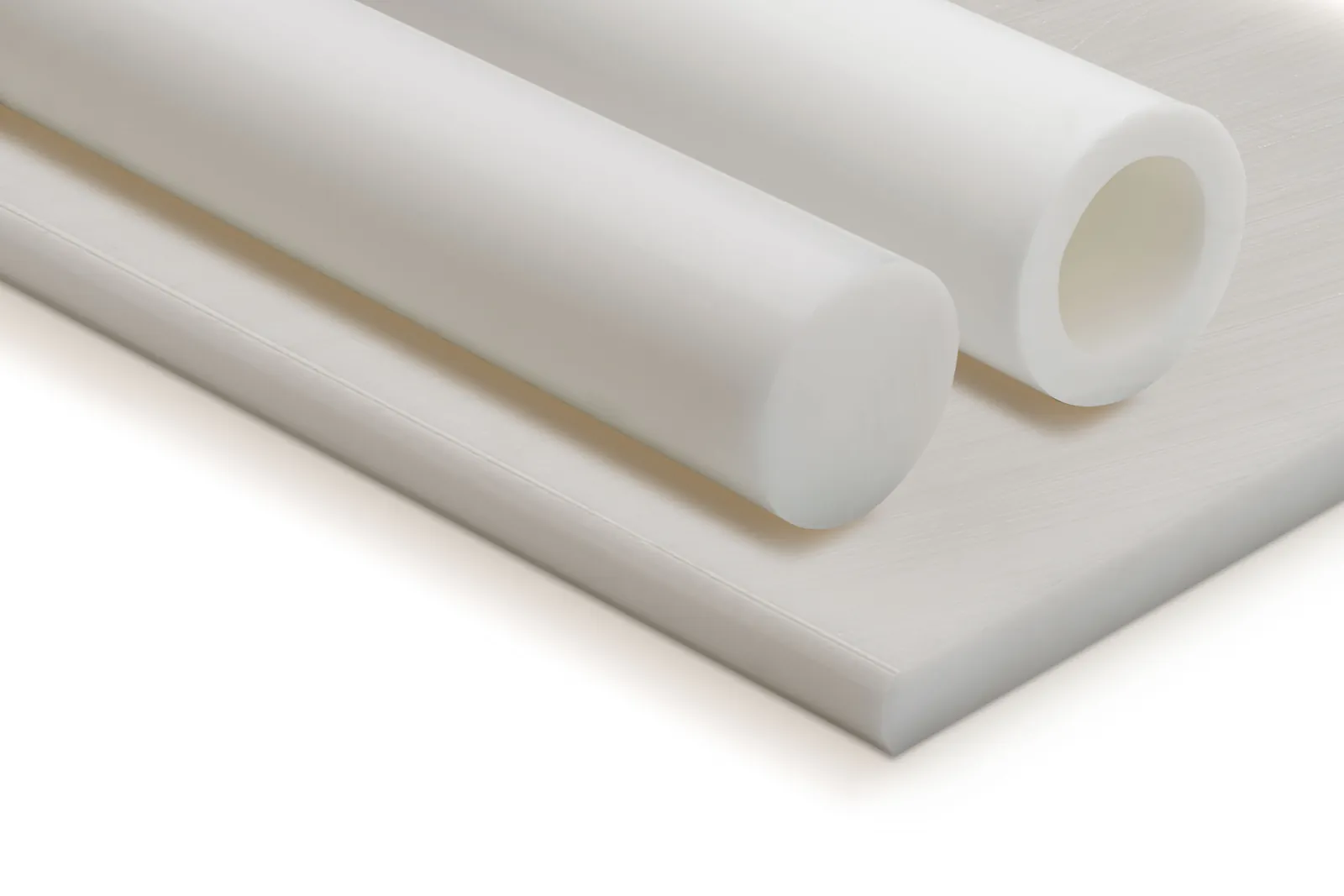
Why engineering plastics are ideal materials for robot components
Why engineering plastics such as POM or PEEK are ideal for robots: advantages, materials, applications & solutions for industry.
Advantages of engineering plastics in robotics
Low weight with high strength
Engineering
are significantly lighter than metals, yet still offer considerable mechanical stability. This allows robot systems to be realised with faster reaction times and lower energy consumption.
Excellent chemical resistance
Many engineering plastics are resistant to oils, solvents and cleaning agents. This makes them particularly suitable for use in industrial environments with aggressive media.
High wear resistance and low friction
Self-lubricating properties significantly reduce maintenance effort. At the same time, wear is minimised, which considerably increases the service life of the components.
Electrical insulation capability
Many plastics are excellent insulators. They protect sensitive
from electrical interference and enable the safe integration of sensors and cables.
Design freedom through thermoplastic processing
Thermoplastics can be formed into almost any desired shape. This enables complex component geometries that would be difficult or expensive to achieve with metal.
Typical areas of application for plastics in robot systems
Plastics are used in various components of industrial robots, collaborative robots (cobots) and service robots. These include, among others:
- Sliding elements, bearing bushes and gears
- Covers, protective housings and cladding
- Insulators and cable holders
- Sensor holders, grippers and end effectors
- Joint components with tight tolerances
Suitable plastic types for robotics applications
Not every plastic is equally suitable. The following materials have proven particularly effective in practice:
| Plastic type | Properties | Application examples |
|---|---|---|
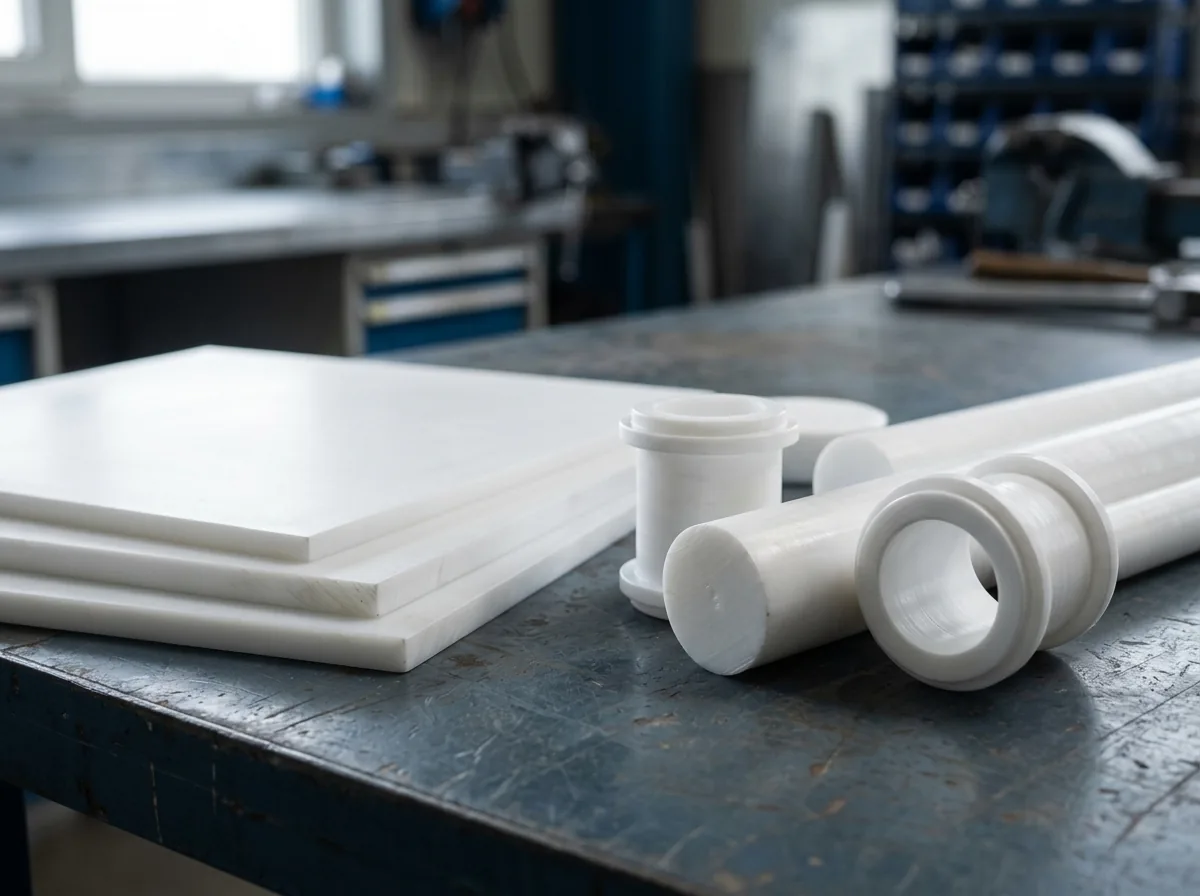
| POM (polyoxymethylene) | Dimensionally stable, low friction, wear-resistant | Gears, plain bearings |
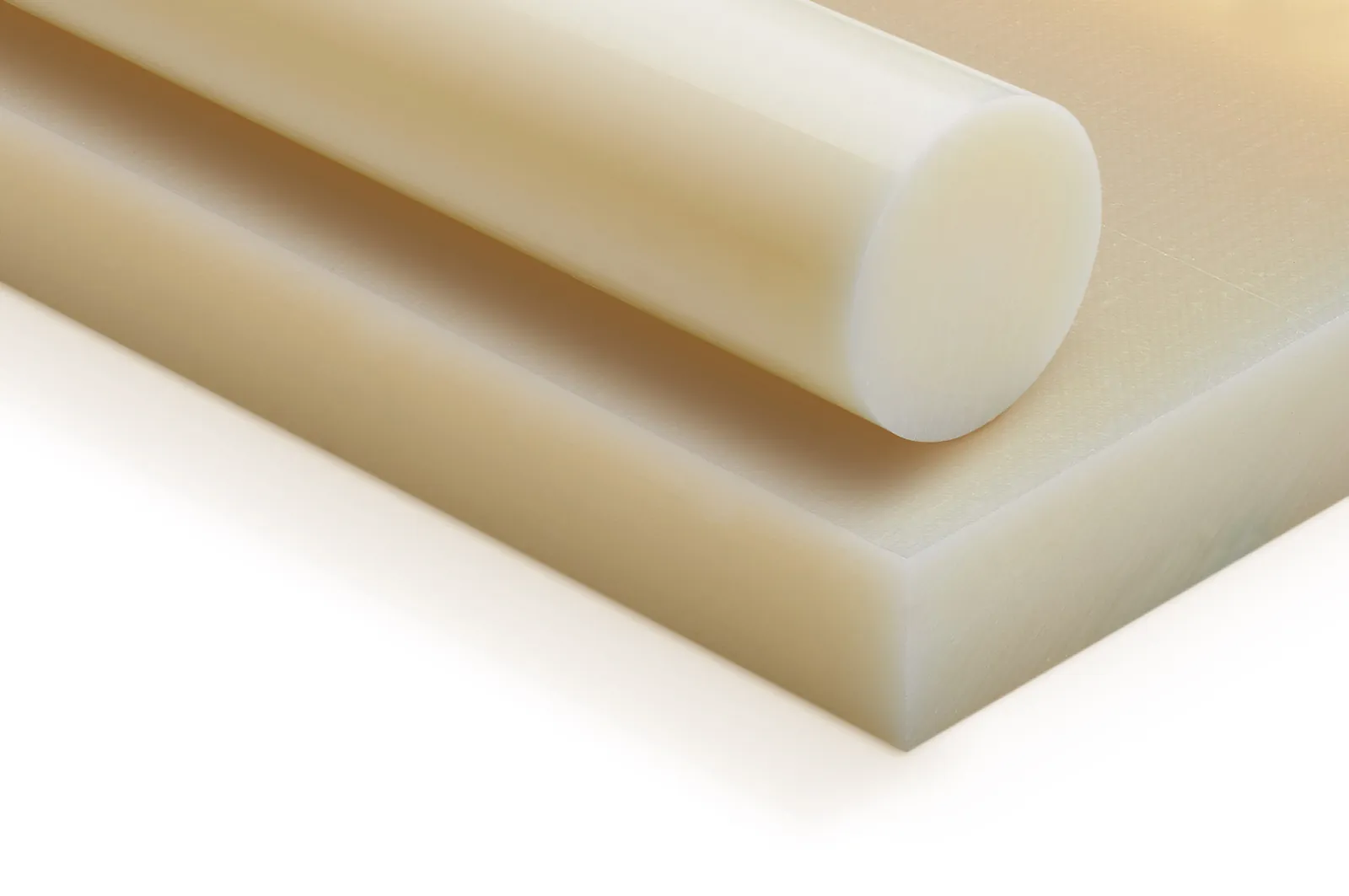
| PA (polyamide) | High strength, good damping | Covers, mounting elements |
| PE-HD / PE-UHMW | Impact-resistant, good sliding properties, chemical-resistant | Slide guides, protective sheets |
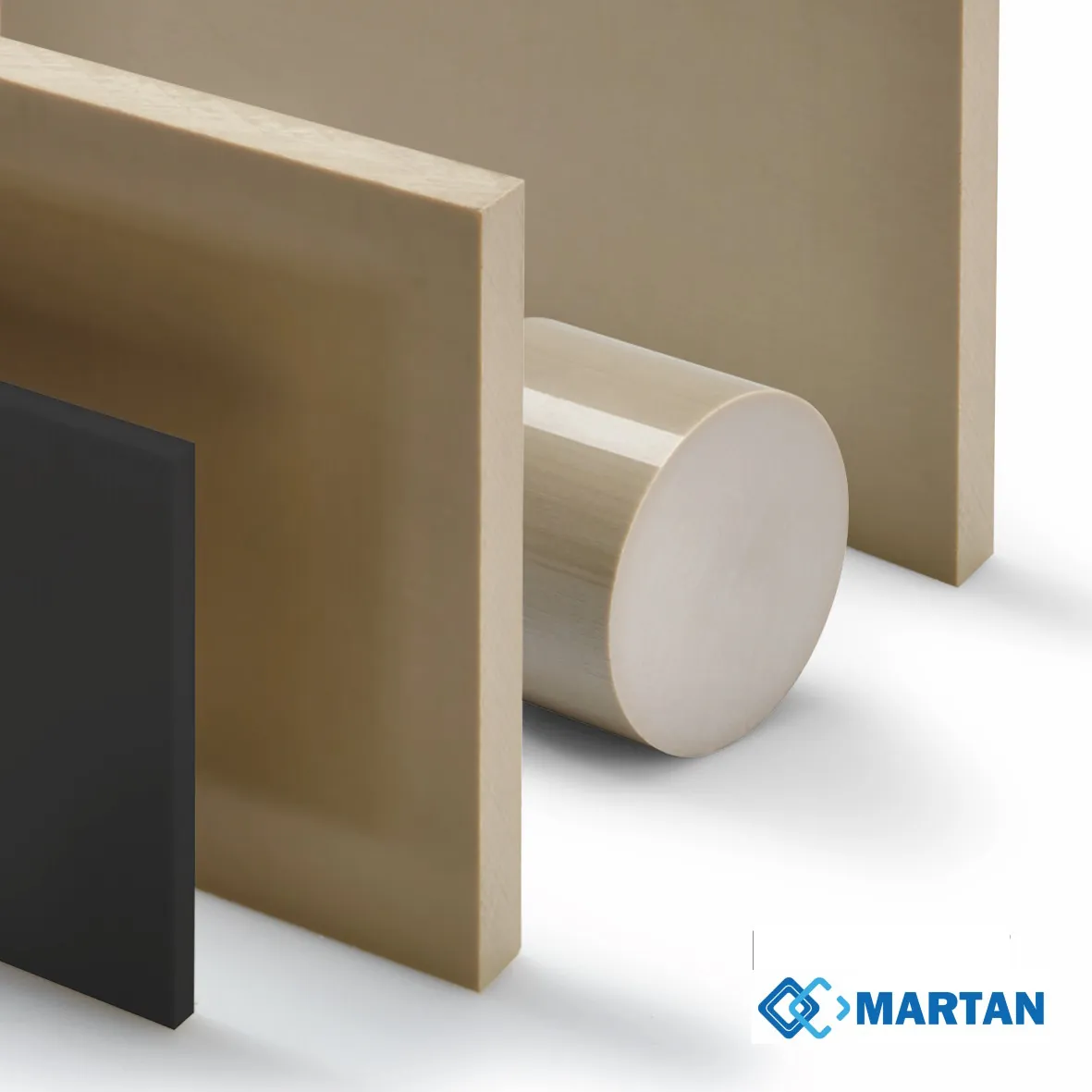
| PEEK | High-temperature-resistant, extremely chemically stable | Special components, bearings |
| PTFE | Extremely low coefficient of friction, temperature-resistant | Seals, bearing bushes |
Plastic instead of metal: when is the switch worthwhile?
A switch from metal to plastic is particularly worthwhile when weight reduction, corrosion protection or noise reduction matter. Robots that move quickly or are constantly in motion benefit from the lower mass that plastics offer. This not only increases efficiency but also reduces energy consumption.
In chemically aggressive or humid environments, the corrosion resistance of plastics ensures a longer service life and greater operational reliability. In addition, self-lubricating properties make it possible to dispense with external lubricants, which extends maintenance intervals. Complex shapes and the finest structures can be produced cost-effectively and precisely with thermoplastics – another advantage over many metallic materials.
Challenges in material selection
Choosing the right plastic is by no means trivial, however. Various influencing factors such as temperature load, mechanical stress, chemical resistance or contact with other materials must be taken into account. Depending on the area of application, high speeds, changing loads or abrasive counterfaces can place heavy stress on the material. The interaction between component design, manufacturing tolerances and assembly methods also plays an important role.
Without precise analysis and sound materials expertise, premature failures or deformation can be the result. It is therefore advisable to involve experts in plastics technology at an early stage of development.
Our service: plastics technology for robotics
As a specialised partner, we support you from the first idea through to series production of your plastic components for robots. Our service begins with comprehensive advice on material selection, in which we address the specific requirements of your application. In the next step, we develop prototypes or pilot series based on your design data – precisely manufactured using
,
or laser cutting. In series production, we rely on efficient processes and consistently high quality. Our focus is on solutions that are technically and economically convincing. Whether plain bearings, cladding or complex components with tight tolerances – we deliver exactly what your robotics solution needs.
Conclusion:
Engineering plastics combine mechanical performance with design freedom and cost-effectiveness. Used correctly, they make robots lighter, more efficient and longer-lasting.