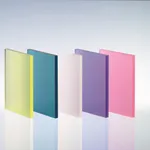
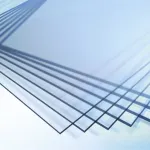
Multiwall sheets as roofing: advantages, construction and material selection
Multiwall sheets as roofing: advantages, construction, materials compared. Find out about polycarbonate, acrylic, PETG & installation tips.
Multiwall sheets have established themselves as a popular solution for canopies in private and commercial areas. Whether a patio canopy, carport, greenhouse or porch roof – they offer a successful combination of light transmission, stability and weather resistance. In contrast to classic glass or metal solutions, multiwall sheets stand out for their low weight, their ease of processing and their versatility.
They are particularly popular with DIY enthusiasts, as they can be cut to size and installed with standard tools. In this article you will learn everything worth knowing about the advantages, the typical construction and the right choice of material when using multiwall sheets as a canopy.
What are multiwall sheets?
Multiwall sheets consist of two or more parallel plastic layers that are connected to one another by vertical webs. This construction forms a kind of hollow-chamber structure that has both a stabilising and an insulating effect. The technical term for this is multi-wall sheets or also hollow-chamber sheets. Depending on the thickness, number of wall layers and web arrangement, the properties vary considerably.
There are sheets with two walls and simple webs as well as more complex variants with X-structures for increased load-bearing capacity and better thermal insulation. The best-known materials are polycarbonate, acrylic (PMMA) and PETG, which differ in terms of light transmission, impact resistance and UV resistance.
Advantages of multiwall sheets as a canopy
Multiwall sheets offer numerous properties that make them particularly attractive for use as a canopy:
1. High light transmission: Depending on the material and design, multiwall sheets let through up to 80% of daylight. This ensures a bright, friendly atmosphere under the canopy without having to do without protection from rain.
2. Weather resistance: Thanks to modern UV-resistant coatings, multiwall sheets withstand even intense solar radiation, heavy rain, hail and snow loads. Polycarbonate in particular is extremely impact-resistant and is therefore also suitable for exposed locations.
3. Good thermal insulation: Thanks to the air chambers between the webs, multiwall sheets offer significantly better insulation than simple corrugated sheets or glass. This reduces heat build-up in summer and, if required, also keeps out colder temperatures better.
4. Low weight: Compared with glass or metal, multiwall sheets are significantly lighter. This not only makes transport and handling easier, but also reduces the requirements for the supporting structure.
5. High stability: Despite their low weight, modern multiwall sheets are very flexurally rigid, load-bearing and hail-resistant (depending on material thickness). This makes them the ideal choice for durable outdoor canopy solutions.
Typical construction of a canopy with multiwall sheets
When constructing a canopy with multiwall sheets, the right substructure, the appropriate pitch and professional fastening are what matter.
Substructure and slope
The sheets are generally laid on a construction made of aluminium, steel or wood. A pitch of at least 5 degrees is important in order to ensure that rainwater runs off and to avoid standing water.
Fastening
Multiwall sheets are usually fastened with special screws, spacers and sealing profiles. Expansion clearances should be taken into account here, as the sheets can expand in heat.
Closing profiles
Aluminium or plastic profiles are used at the top, bottom and sides to protect the sheets from dirt, moisture and insects.
Cleaning and maintenance
Once a year, the surface should be cleaned with water and a soft cloth. Scratching sponges or aggressive cleaners should be avoided.
Choice of material: polycarbonate, acrylic or PETG?
The choice of material influences light transmission, impact resistance, UV resistance and price.
| Material | Advantages | Disadvantages |
|---|---|---|
| Polycarbonate | Very impact-resistant, UV-resistant, long-lasting | Slightly prone to scratches |
| Acrylic (PMMA) | Very light-transmitting, scratch-resistant | Brittle in cold, lower impact resistance |
| PETG | Inexpensive, transparent, malleable | Less UV-resistant, short service life |
Recommendation: For long-lasting patio or carport canopies, polycarbonate is the most robust choice. Acrylic is particularly suitable for light-optimised roof solutions such as conservatories. PETG is more of an economical solution for temporary or indoor constructions.
Conclusion
Multiwall sheets as a canopy offer an ideal combination of functionality and design. With the right choice of material, a suitable substructure and professional installation, a durable, light-filled canopy is created for a wide range of purposes. Make sure you use high-quality sheets, ideally with UV protection and a suitable material thickness – that way you will benefit from your investment for many years.
Frequently asked questions (FAQ)
How long do multiwall sheets last as a canopy? Depending on the material and care, the service life is between 10 and 25 years.
Are multiwall sheets walkable? No, they are not suitable for walking on. Maintenance work should be carried out using panel supports or walk boards.
Can multiwall sheets yellow? Without UV protection, they can yellow over time. Therefore make sure you choose UV-stabilised quality products.
Which colour is ideal for a canopy? Clear or opal white are the most popular. Clear sheets let through more light, opal ones offer better glare protection.