Factors influencing the optical quality of viewing windows in production
Learn how material, machining parameters, post-processing and cleaning influence the optical quality of viewing windows.
Introduction to the Optical Quality of Viewing Windows
The optical quality of viewing windows is of central importance for many industrial applications. It influences visibility and functionality within machines and systems. Factors such as material selection, machining parameters, post-processing and cleaning play a decisive role.
Material Selection and its Significance
The selection of the right materials is fundamental to the optical quality of viewing windows. Differences in the material batch can significantly influence optical clarity and distortion properties. Polycarbonates and acrylic glass are frequently used materials that can vary depending on the quality of the batch.
Machining Parameters and their Effects
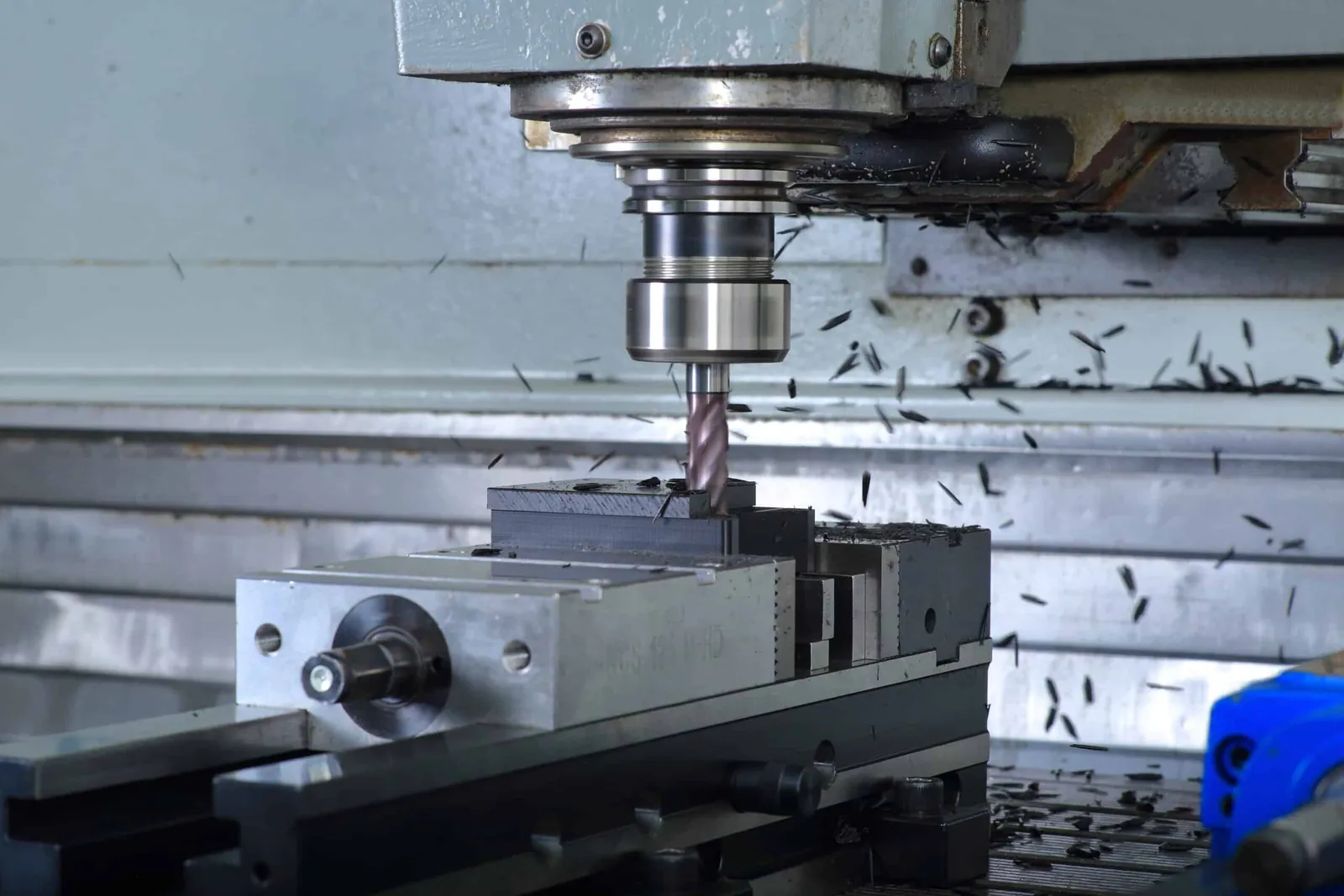
The machining parameters, including the speed and the type of tool guidance, influence the surface condition of the viewing window. Precise adjustment of the machine parameters can minimise surface roughness, which leads to improved optical clarity.
Post-Processing Techniques
Post-processing techniques such as polishing and coatings are important in order to increase optical quality. These processes can compensate for microscopic irregularities and optimise light transmission. Hard coatings can help to improve scratch resistance and durability.
Cleaning Processes and their Relevance
Regular and thorough cleaning is decisive for maintaining optical quality. Residues from machining or environmental contamination can impair transmission properties. The choice of cleaning chemicals should be made carefully so as not to damage the material.
Summary of the Influencing Factors
In summary, it can be said that optimum optical quality of viewing windows can only be achieved if all the factors mentioned are taken into account. Industrial users must ensure that the entire production and maintenance processes are coordinated with one another in order to guarantee the highest quality.
Frequently Asked Questions
Which materials are frequently used for viewing windows?
Polycarbonates and acrylic glass are the most common materials, as they offer good optical properties.
How does the material batch influence optical quality?
The material batch can significantly influence the clarity and distortion properties of a viewing window.
Why are machining parameters important?
Precise machining parameters minimise surface roughness and thereby improve optical clarity.
What role does post-processing play in production?
Post-processing, such as polishing, improves light transmission and reduces microscopic irregularities.
How should viewing windows be cleaned?
Viewing windows should be cleaned regularly and with suitable cleaning agents in order to remove contamination and not damage the material.