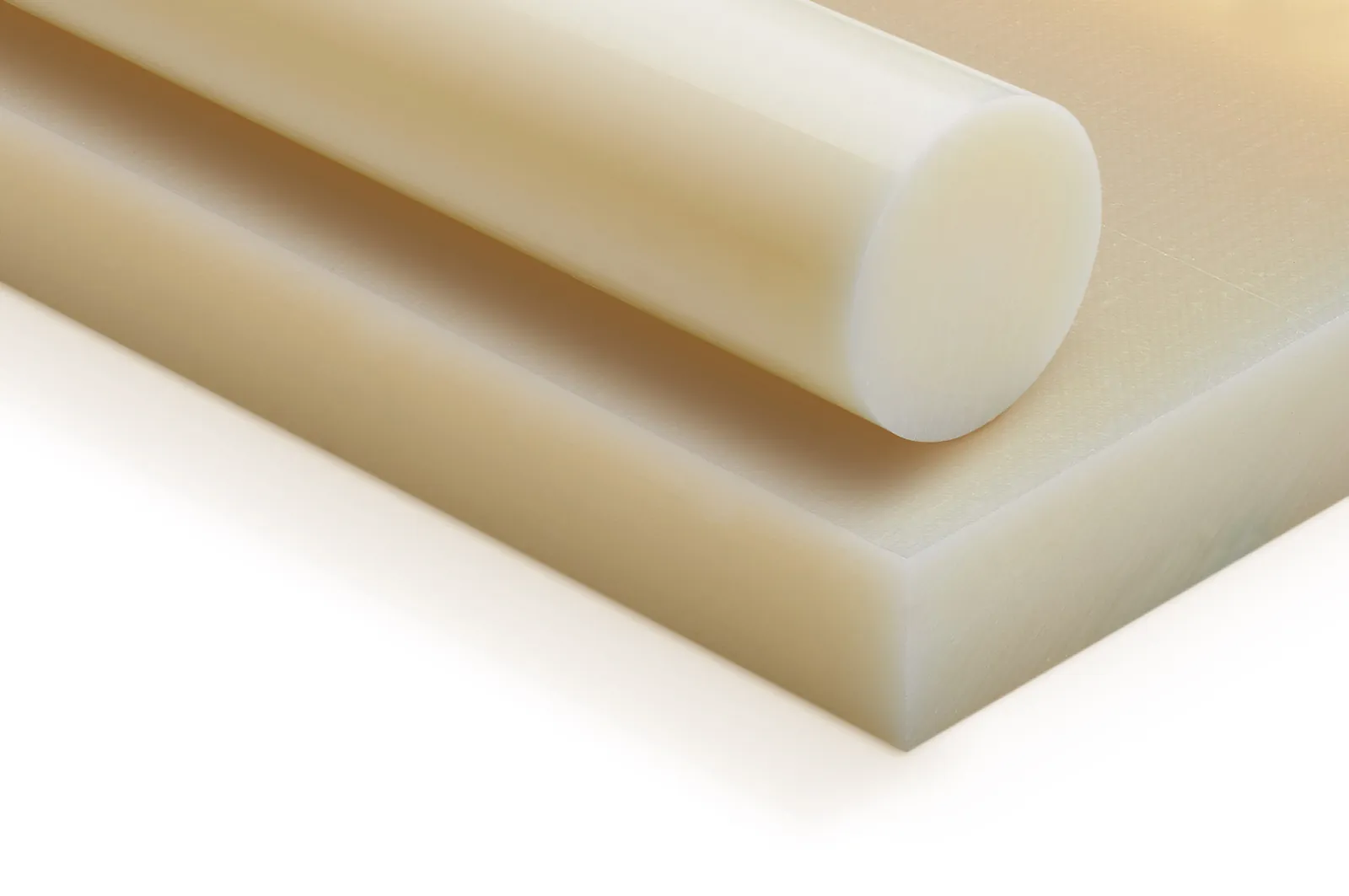
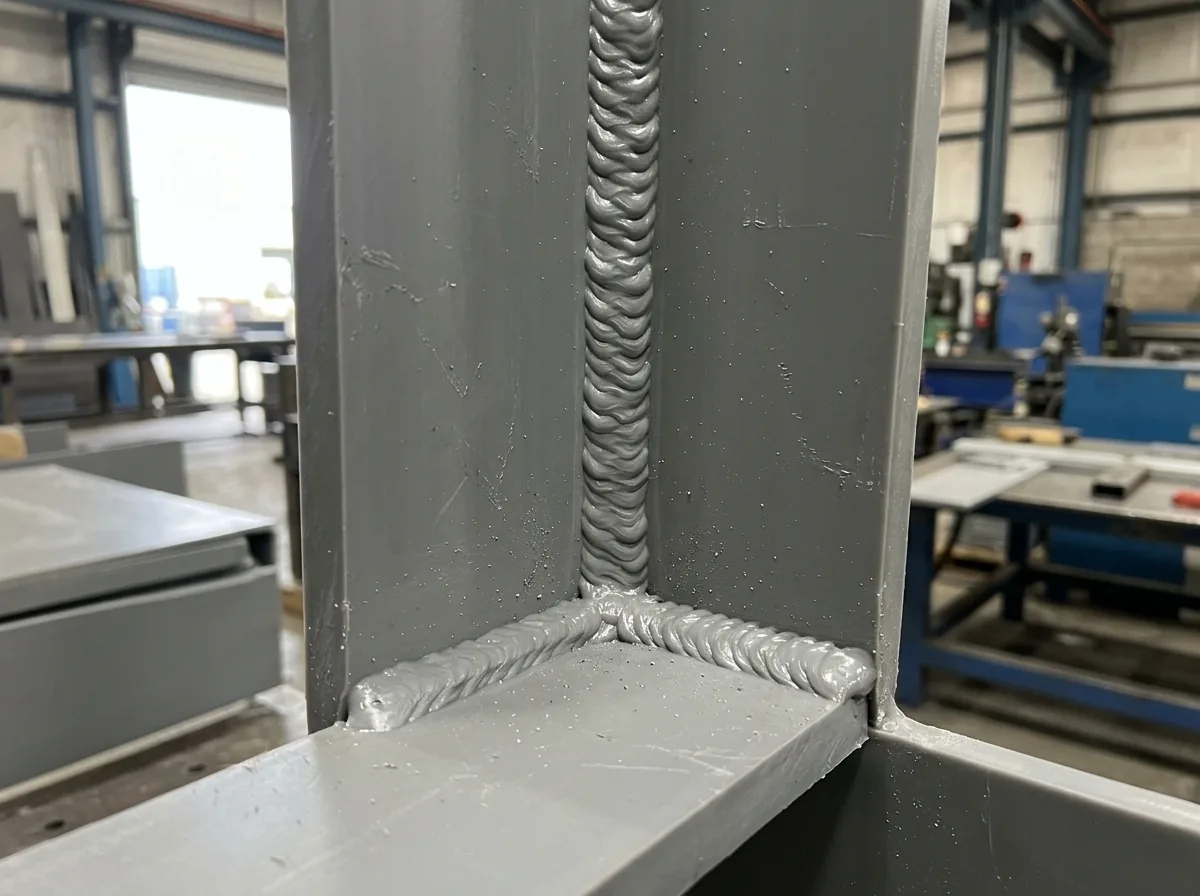
 This image was created with artificial intelligence – marked under Art. 50 of the AI Act, Regulation (EU) 2024/1689. It is a placeholder until the company's photos arrive.
Plastic welding methods at a glance
Which processes are suitable for PE, PP, PVC or PVDF? 9 plastic welding processes with applications, advantages and selection guide.
Plastics can be joined to one another permanently, tightly and without additional fastening elements by various welding processes. Plastic welding is particularly well suited to thermoplastic plastics such as polyethylene (PE), polypropylene (PP), PVC or PVDF. However, which plastic welding process is suitable depends on the material, the component geometry, the wall thickness, the load requirements and the planned unit quantity.
In industry, plant engineering, pipeline construction, medical technology, vehicle construction and packaging technology, different processes are therefore used. These include, among others, hot plate welding, extrusion welding, hot gas welding, ultrasonic welding, vibration welding and laser welding.
This overview shows you which plastics can be welded, how the most important plastic welding processes work and which process is suitable for which application.
Fundamentals: Why plastics are welded
Plastics cannot always simply be bolted or glued. For high mechanical requirements, tight joints or series production, welding is usually the better alternative. Welding creates a material-bonded joint that is not only stable but also durable. The joining surfaces are heated to such an extent that they form a homogeneous bond.
Depending on the process, this is achieved by heat, pressure, friction, sound or radiation. A key advantage is the possibility of achieving almost the same strength as the base material. In addition, welding allows very different component sizes to be processed – from tiny electronic components to large-format sheets or pipes.
In series production, too, the process scores with its high reproducibility and comparatively short cycle times compared with alternative joining methods such as gluing.
Important plastic welding processes
Hot plate welding
In hot plate welding, the plastic surfaces are melted by a heated tool and then joined under pressure. The process is robust and delivers very strong joints.
Advantages: Very high strength, reliable tightness, suitable for thick-walled components, well-documented process technology. Disadvantages: Relatively long cycle times, visible weld seams, increased energy consumption, less flexible with complex geometries.
Extrusion welding
Here, molten welding material is applied to the joining zone with an extruder. The process is particularly suitable for large sheets, profiles or pipes in the construction and plant sector.
Advantages: Good processing of large-format components, high flexibility, also usable outdoors, suitable for repairs. Disadvantages: High equipment outlay, quality heavily dependent on the operator, reworking often necessary, not for very fine geometries.
Hot air and hot wedge welding
In these methods, hot air or a hot wedge is used to heat the plastic surfaces. The parts are then pressed together. Frequently used in the film, membrane and web sector (e.g. pond liners, tarpaulins, roofs).
Advantages: Simple, flexible process, can be used mobile, particularly suitable for films, membranes and webs. Disadvantages: Limited strength, not suitable for thick materials, sensitive to dirt, moisture and wind.
Friction welding
The relative movement of two components generates frictional heat that fuses the joining surfaces. After the movement stops, pressure is maintained until the joint solidifies.
Advantages: Very fast cycle times, high strength, easy to automate, no additional auxiliary materials necessary. Disadvantages: Only suitable for rotationally symmetrical or specially prepared geometries, relatively high machine outlay, limited design freedom.
Ultrasonic welding
The process uses high-frequency vibrations that generate local frictional heat. Typical fields of application are electronics, medical technology and consumer goods.
Advantages: Very fast and precise processing, minimal energy consumption, clean appearance, high reproducibility. Disadvantages: Only suitable for small to medium-sized components, high investment costs for equipment, requires special seam or joint design.
Laser welding
A laser beam heats the welding zone in a targeted manner. For this, a partially transparent plastic is usually joined with an absorbing counterpart.
Advantages: High precision, hardly visible weld seams, very good automation capability, clean and particle-free process. Disadvantages: Demanding material requirements (laser transparency necessary), high investment costs, not suitable for all types of plastic.
Induction welding
This process works with electromagnetic fields that generate heat in the plastic. Particularly suitable for fibre-reinforced plastics or components with metallic inserts.
Advantages: Contactless heating, fast cycle times, suitable for complex structures. Disadvantages: High investment costs, only usable for certain material combinations.
Vibration welding
In vibration welding, the components are moved against each other under pressure at high frequency. The surfaces fuse through frictional heat.
Advantages: Very fast cycle times, suitable for larger components, high strength. Disadvantages: Produces visible seams, noise and vibration, not suitable for all geometries.
Infrared welding
Here, the surfaces are heated in a targeted manner with infrared radiation before the parts are joined.
Advantages: Contactless process, clean and reproducible results, suitable for complex shapes. Disadvantages: High energy demand, sensitive to contamination, not efficient for all plastics.
Comparison table of the processes
| Process | Typical application | Advantages | Disadvantages |
|---|---|---|---|
| Hot plate welding | Pipes, thick-walled components | High strength, tight joints | Long cycle times, visible seams |
| Extrusion welding | Sheets, profiles, large pipes | Flexible, also for large components, repairs | Equipment outlay, quality dependent on the operator |
| Hot air/hot wedge welding | Films, membranes, roofs | Simple, mobile, suitable for webs | Low strength, susceptible to dirt |
| Friction welding | Rotationally symmetrical components | Fast, high strength, easy to automate | Only suitable for certain geometries |
| Ultrasonic welding | Electronics, medical technology | Precise, fast, energy-efficient | Only for smaller components, high investment |
| Laser welding | Precision components, visible parts | Hardly visible seams, clean, easy to automate | High costs, material requirements |
| Induction welding | Fibre-reinforced parts, metal inserts | Contactless, fast cycles, complex structures | Expensive, only for certain materials |
| Vibration welding | Larger housings, tanks | Fast, high strength | Loud, visible seams |
| Infrared welding | Complex shapes, housings | Contactless, clean results | High energy demand, sensitive |
Fields of application
- Automotive industry: Air ducts, tanks, light housings, crash-relevant components, fittings.
- Medical technology: Disposable products, filters, housings of diagnostic devices, sterilisable components.
- Construction & infrastructure: Pipes, sheets, membranes, sealing webs, tanks and containers.
- Electronics: Housings, sensors, cable sheathing, battery boxes.
- Packaging industry: Bags, films, blister packaging.
The choice of the suitable welding process depends heavily on the material, the geometry, the load requirements and the planned unit quantity.
Quality assurance and standards
The quality of a welded joint must be checked regularly, as even the smallest defects can have serious consequences for the function and safety of a product. Typical methods are leak tests, tensile tests, bending or impact tests as well as visual inspections.
Modern production lines also use non-destructive testing methods such as ultrasonic or thermographic testing in order to detect defects at an early stage. Standards and guidelines play a central role: DIN 1910 for the welding of thermoplastics, EN 13067 for the training of plastic welders or the guidelines of the DVS (German Association for Welding and Related Processes) ensure uniform quality standards.
These standards also define test methods, requirements for the qualification of personnel and for documentation, which is indispensable particularly in regulated sectors such as medical technology or the drinking water sector.
Economic aspects: costs vs. benefits
The choice of process depends not only on technical feasibility but also on costs. While hot plate and extrusion welding are comparatively inexpensive to purchase, ultrasonic and laser welding impress with high efficiency in series production.
Companies should weigh up whether investment costs are offset by reduced cycle times, lower reject rates and better quality. The qualification of personnel also plays a major role, since manual processes depend on the experience of the operators, while automated processes offer higher initial investments but lower unit costs in the long term.
Sustainability and future trends
An increasingly important factor is sustainability. Modern welding processes should not only be efficient but also conserve resources. Processes with low energy consumption, such as ultrasonic or laser welding, are therefore gaining in importance. At the same time, processes are being developed that reduce the CO₂ footprint of production processes. Another trend is the combination of welding techniques with digital process monitoring.
Sensors and AI-supported systems monitor temperature, pressure and timing in real time so that rejects can be minimised and resources used more efficiently. Hybrid processes that combine the advantages of different techniques offer additional flexibility and precision. The recyclability of welded plastic parts is also being taken into greater account: single-grade joints and innovative separation processes are intended to ensure that products can be returned to the material cycle after their life cycle.
In conclusion
Plastic welding processes are versatile and enable durable, safe and economical joints. The spectrum ranges from simple mobile applications to highly precise, automated manufacturing processes. What is decisive is choosing the right process depending on material, geometry, quality requirements, standard specifications and unit quantities.
Only in this way can costs, safety and product quality be balanced optimally. Processes such as laser welding, vibration welding or induction welding, which combine high precision and automation capability with economic efficiency, are particularly forward-looking.
With a view to sustainability, resource conservation and digitalisation, these technologies will gain even more importance in future and will have a lasting influence on the industrial manufacture of plastic components.
Frequently asked questions
Which plastics can be welded best? Thermoplastics such as PE, PP, PVC, PA and PVDF are particularly well suited, as they can be reshaped by heat.
How does plastic welding differ from metal welding? While metals are completely liquefied by very high temperatures, with plastics a partial melting of the surface is usually sufficient. In addition, the heat-affected zone in plastics is significantly smaller.
When is gluing instead of welding advisable? If components are very thin-walled, optical requirements are particularly high or different materials have to be joined, gluing can be a better alternative.
What role does quality assurance play in plastic welding? Visual inspections, leak tests or non-destructive testing methods are necessary to ensure consistently high quality.
How does automation affect economic efficiency? Automated welding processes lower unit costs and increase process reliability, but require high initial investments and precise process control.
Which trends determine the future of plastic welding? Hybrid processes, sustainability, energy-efficient technologies and the integration of digitalisation and process monitoring will be decisive in future.