Plastic sheets
We deliver plastic sheets of your choice quickly, cheaply and on time
Plastic sheets
POM-C | PE1000 (PE-UHMW) | PA6 GF 30 | PA6 CAST | PA6.6 | PEEK
PLASTIC SEMI-FINISHED PRODUCTS
POM-C FG balz
PEEK sheets and rods
PA6 cast with oil
POM-H sheets
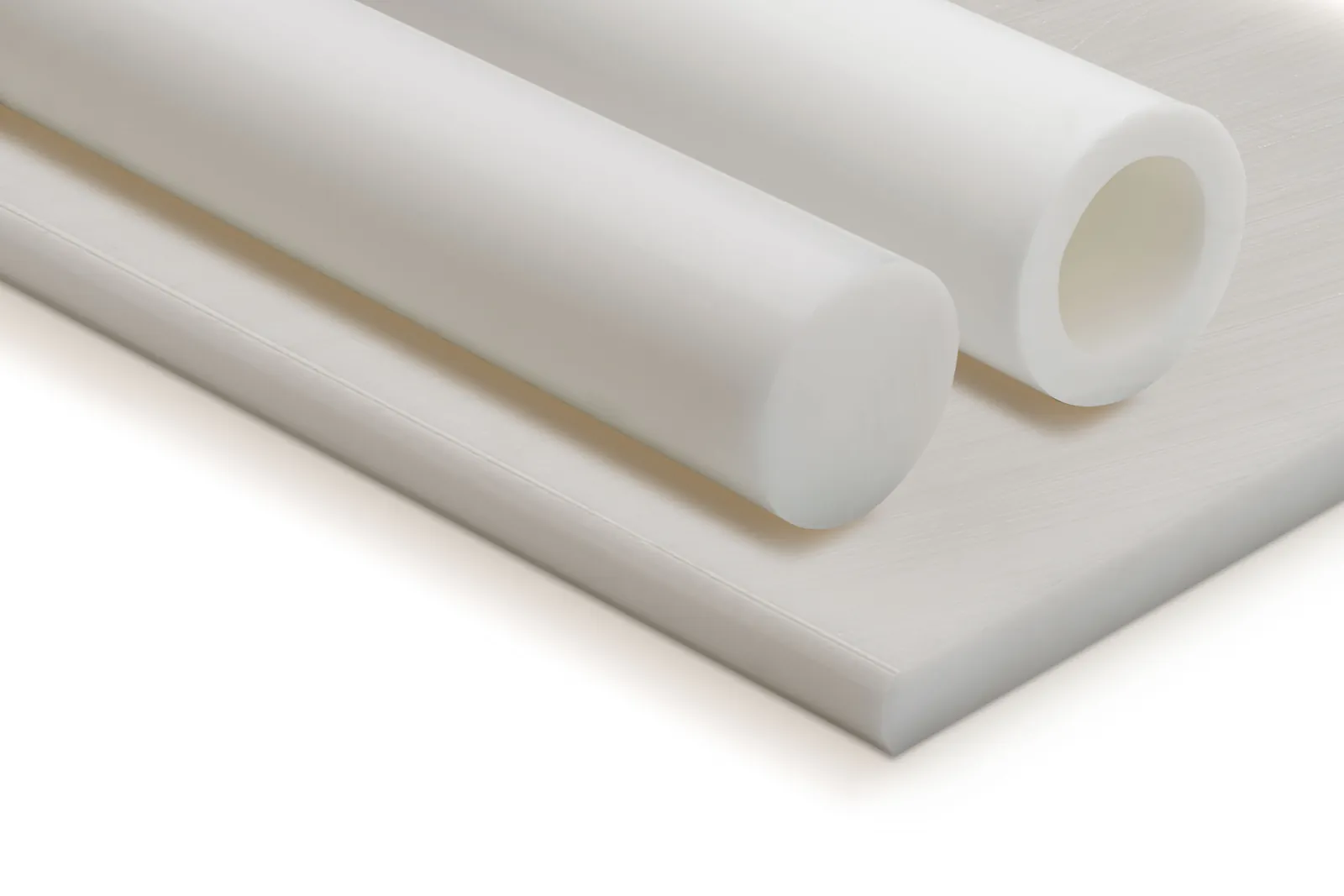
We offer plastic sheets cut to size for numerous industrial applications. The sheets are made from various plastics such as polyethylene (PE), polypropylene (PP), polyvinyl chloride (PVC) as well as other engineering and high-performance polymers with clearly defined properties.
Properties of plastic sheets
- Material: Polyethylene (PE), polypropylene (PP), polyvinyl chloride (PVC), acrylic, polycarbonate (PC) as well as other plastics
- Colour: Available in various colours depending on the material
- Thickness: Variable, usually from 1 mm to 50 mm and beyond
- Density: Varies depending on the material
- Temperature resistance: Depends on the plastic, typically from −40 °C to +80 °C for PE and PP, up to +100 °C or higher for PC and acrylic
- Mechanical strength: Variable depending on the material, high impact strength particularly with polycarbonate
- Chemical resistance: Very good with many plastics, particularly PE and PP against acids, alkalis and organic solvents
Advantages of plastic sheets
- Low weight: Plastic sheets combine a low dead weight with sufficient mechanical strength and are easy to transport and install.
- Corrosion resistance: The materials are suitable for damp, chemically exposed or corrosive environments.
- High processing flexibility: Sheets can be sawn, drilled, milled, bent or thermally formed.
- Insulating properties: Plastic sheets offer good thermal and electrical insulation for technical applications.
- Weather resistance: Many plastics are UV-stabilised and suitable for permanent use outdoors.
Typical applications
Plastic sheets are used in numerous industries and areas of application:
- Construction industry: Façade cladding, protective layers, insulating materials, formwork
- Advertising and design: Signs, displays, light boxes, decorative elements
- Mechanical engineering and technical applications: Machine guards, covers, linings, fixtures
- Furniture industry: Furniture components, partition walls, room dividers
- Electronics: Housings, covers, insulating and carrier materials
Plastic sheets cut to size
Our plastic sheets are suitable for applications where durable, versatile and precisely cut materials are required. Thanks to the accurately fitting plastic sheet cut to size you receive components that are exactly matched to your technical requirements.
Plastic sheets offer a reliable solution for industrial, technical and structural applications with clearly calculable material properties and high adaptability.
Material overview: plastic sheets and their properties
Plastic sheets differ significantly depending on the material used. Mechanical load capacity, temperature behaviour, chemical resistance and machinability depend directly on the material type. For a technically sound selection, knowledge of the material-specific properties is therefore decisive.
Polyethylene (PE)
Polyethylene is one of the most frequently used engineering plastics. PE sheets are characterised by a high chemical resistance, low water absorption and good impact strength. They are particularly suitable for applications in damp, chemically exposed or hygienically sensitive areas.
Polypropylene (PP)
Polypropylene offers higher rigidity than PE and good temperature resistance. PP plastic sheets are frequently used in apparatus engineering, in chemical engineering as well as for technical covers and containers.
Polyvinyl chloride (PVC)
PVC sheets are dimensionally stable, easy to machine and have a high chemical resistance. Depending on the version, they are suitable for structural applications, cladding or technical components with defined dimensional requirements.
Acrylic (PMMA)
Acrylic sheets are used where transparency, surface quality and weather resistance are required. They are frequently used in the area of covers, protective screens or visual components.
Polycarbonate (PC)
Polycarbonate offers a very high impact strength combined with good temperature resistance. PC sheets are suitable for safety-relevant applications, protective covers and technical glazing.
Regardless of the material, most plastic sheets can be precisely further processed. A dimensionally accurate plastic sheet cut to size ensures that material properties and component geometry are optimally matched to one another.
Selection criteria for plastic sheets
The selection of suitable plastic sheets is based on clearly defined technical criteria. Decisive are mechanical stress, chemical influences, temperature range as well as requirements for dimensional accuracy and surface quality.
Mechanical requirements
Loads from pressure, impact or abrasion determine the choice of material. For highly stressed components, impact-resistant plastics such as polycarbonate are suitable, while PE or PP are frequently used for sliding or low-wear applications.
Chemical and thermal influences
In environments with contact to acids, alkalis or solvents, chemical resistance is decisive. Likewise, the service temperature range influences the material choice, particularly with permanently elevated temperatures or temperature fluctuations.
Dimensional accuracy and machining
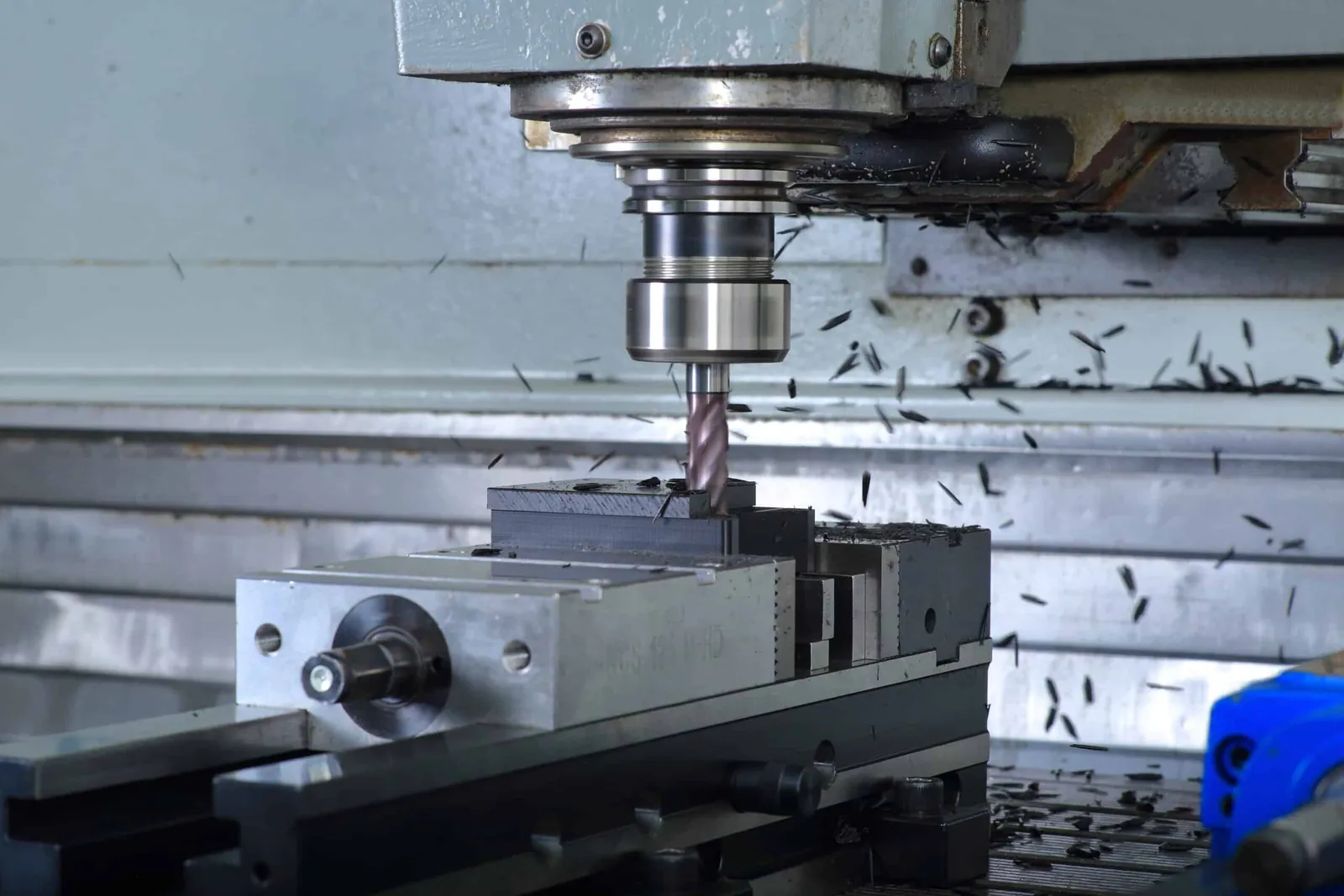
For technical applications with tight tolerances, material-appropriate machining is required. Plastic sheets can be sawn, milled or drilled and are suitable for accurately fitting components and structural elements. A precise cut to size ensures that the sheets are delivered ready for direct installation.
Surface and visual requirements
In addition to technical properties, visual criteria play a role, for example with covers, viewing panels or cladding. Depending on the application, smooth, textured or transparent surfaces are available.
Through the targeted combination of material selection and accurately fitting cut to size, plastic sheets can be efficiently integrated into existing constructions and used on a project-specific basis.
Cut to size, production and quality
For industrial applications, plastic sheets are frequently used already in the required final dimension. A material-appropriate cut to size reduces rework, minimises assembly times and increases dimensional accuracy in the further production process.
Dimensionally accurate cut to size
The cut to size is carried out in coordination with the material, sheet thickness and geometry. Depending on the material, sawing or machining processes are used in order to ensure clean edges and reproducible dimensions. A dimensionally accurate plastic sheet cut to size enables the direct use of the sheets in design, assembly or further processing.
Tolerances and dimensional accuracy
Compared to metal, plastic is more sensitive to temperature and stress. Accordingly, tolerances are defined depending on the material and taken into account during production. For technical applications, uniform sheet thicknesses, right-angled cut pieces and reproducible dimensions are ensured.
Edge quality and further processing
Clean cut edges are a prerequisite for safe further processing. Plastic sheets are suitable for downstream processing steps such as drilling, milling, screwing or bonding and can be flexibly integrated into existing assemblies.
Quality assurance
The selection of suitable materials, controlled production processes and clean processing form the basis for consistent quality. As a result, plastic sheets are suitable both for individual pieces and for series applications with constant requirements.
Through the combination of suitable material, defined tolerances and accurately fitting cut to size, functional plastic sheets are created that can be reliably integrated into industrial processes.
Consultation, ordering and operational reliability
The selection and use of plastic sheets require a sound coordination between material properties, dimensions and operating conditions. Professionally sound planning reduces failure risks and ensures the long-term function of the components.
Technical consultation
In material selection, factors such as load, environmental influences, temperature range and further processing play a central role. Application-related consultation helps to determine the suitable plastic for the respective case of use.
Ordering cut to size
Plastic sheets are frequently required on a project-specific basis in the exact final dimension. The cut to size enables direct further use without additional processing steps and ensures plannable workflows in design and assembly.
Operational reliability and service life
The service life of plastic sheets depends essentially on the correct material selection and intended use. If chemical, thermal and mechanical requirements are taken into account, plastic sheets offer a permanently stable and low-maintenance solution.
For industrial applications with defined requirements for dimensional accuracy, resistance and machinability, plastic sheets represent a technically reliable and economically plannable solution.
Frequently asked questions about plastic sheets
Which plastic sheets are suitable for industrial applications?
For industrial applications, polyethylene (PE), polypropylene (PP), polyvinyl chloride (PVC), polycarbonate (PC) and acrylic (PMMA) are primarily used. The selection depends on load, temperature range, chemical stress and requirements for dimensional accuracy or surface.
In which dimensions are plastic sheets available?
Plastic sheets are available in different thicknesses and formats. Usual thicknesses are between 1 mm and 50 mm or beyond. Via a cut to size individual dimensions can be realised.
Are plastic sheets suitable for outdoor use?
Many plastic sheets are suitable for outdoor use. Decisive are UV stabilisation, weather resistance and temperature behaviour of the respective material, for example with polycarbonate or acrylic.
How can plastic sheets be further processed?
Plastic sheets can be sawn, drilled, milled, bent or bonded. The specific machinability depends on the material type and the sheet thickness and should already be taken into account during material selection.
Which tolerances must be taken into account with plastic sheets?
Plastics react to temperature and mechanical stress. Accordingly, material-dependent tolerances are defined. For technical applications, a cut to size agreed in advance and taking into account the later operating conditions is recommended.
For which industries are plastic sheets used?
Plastic sheets are used, among other things, in mechanical engineering, in the construction industry, in electrical engineering, in the furniture industry as well as in advertising and design applications.
Advantages you can expect from Martan Gummi
Large selection of rubber sheets, sealing material and O-rings
Individual solutions on site
Rubber processing and sealing technology
Designing, drafting and drawing your parts
Highest degree of precision
XXL machine park, plotting, punching, CO2 laser cutting, bending, bonding
Contact us
REQUEST YOUR NON-BINDING QUOTE NOW
Submit individual enquiry
Industries we supply
Mechanical & plant engineering
Conveyor technology
Food industry
Automotive industry
Packaging industry
Medical / laboratory technology
Vehicle engineering
Water technology
Aerospace industry
Rail technology
Shopfitting
Aviation industry
Mechanical & plant engineering
Conveyor technology
Food industry
Automotive industry
Packaging industry
Medical / laboratory technology
Vehicle engineering
Water technology
Aerospace industry
Rail technology
Shopfitting
Aviation industry
Contact us