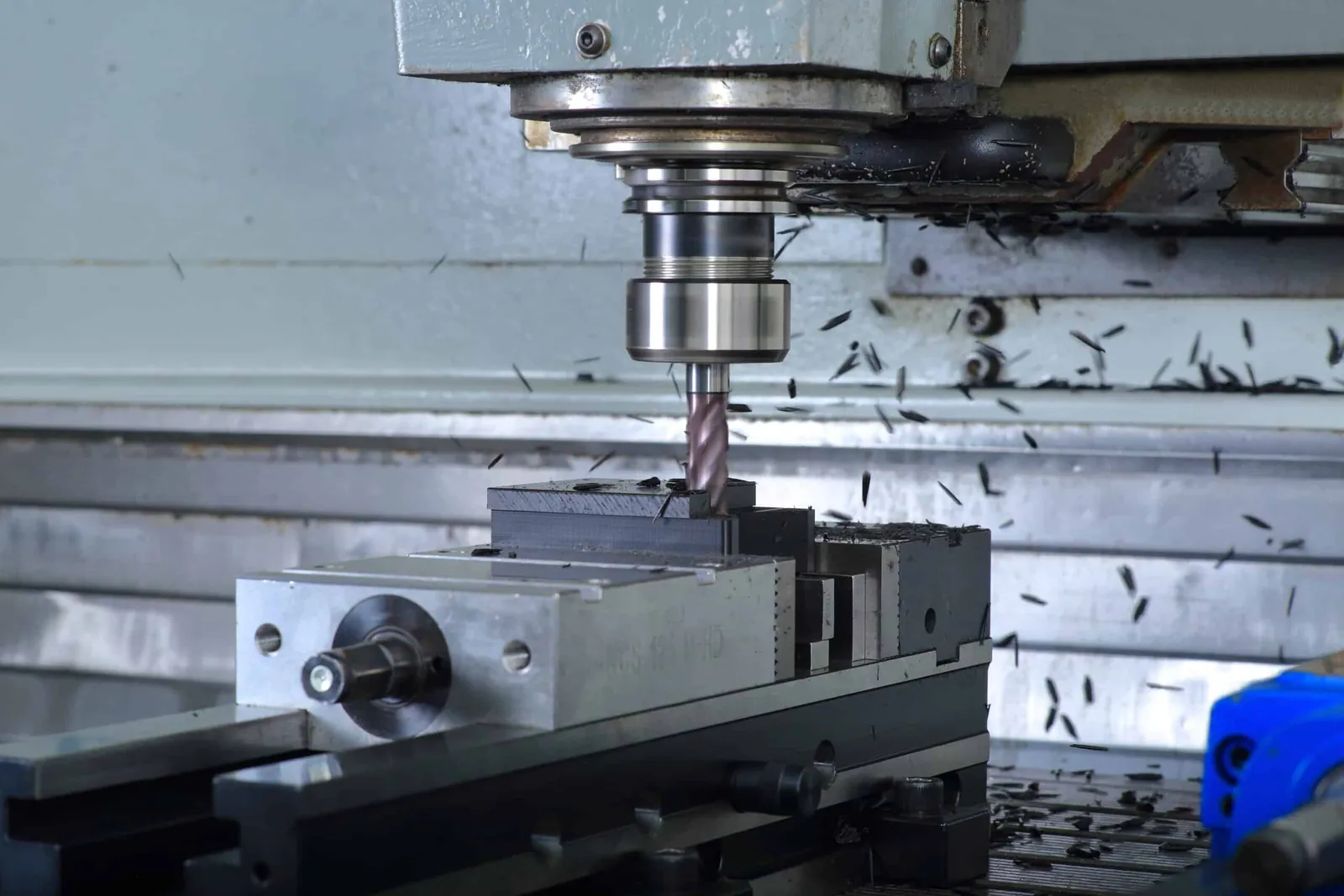
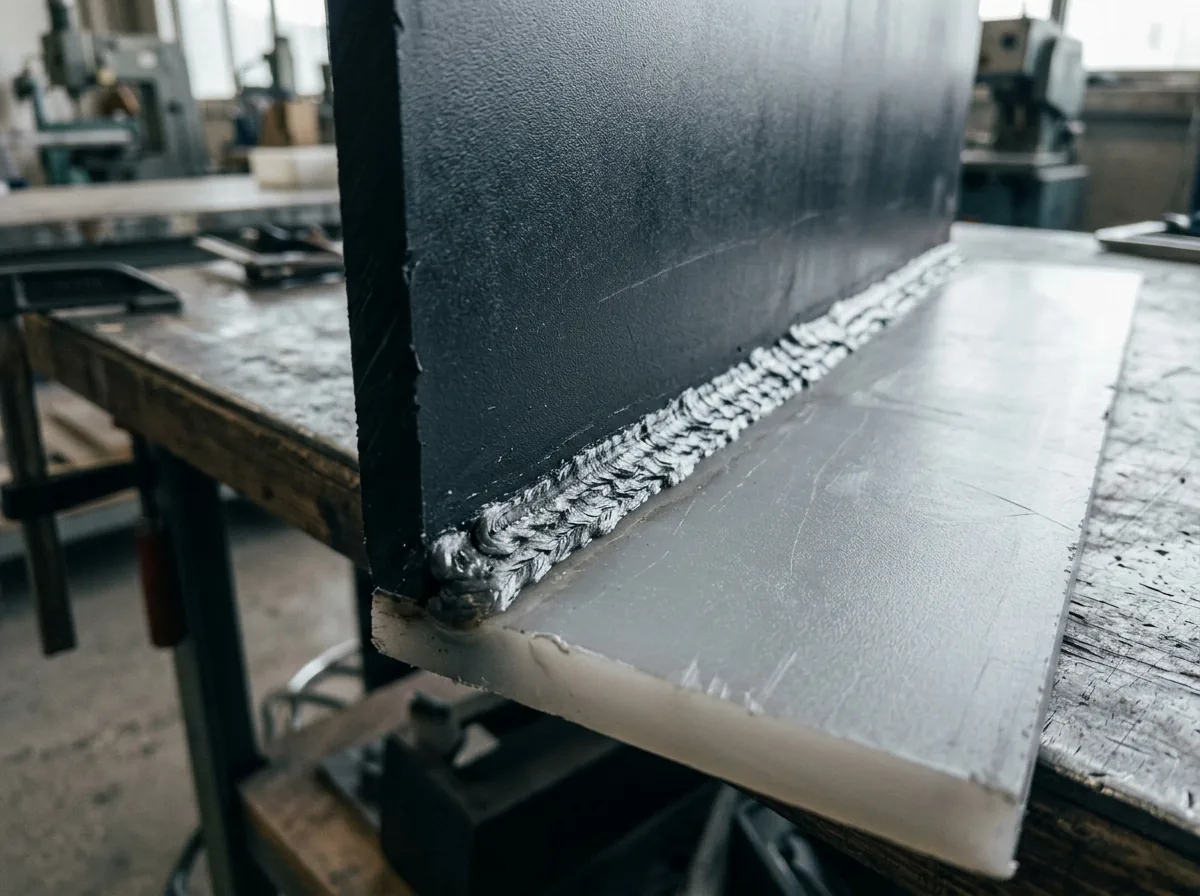
 This image was created with artificial intelligence – marked under Art. 50 of the AI Act, Regulation (EU) 2024/1689. It is a placeholder until the company's photos arrive.
Engineering plastics for outdoor use
Engineering plastics for outdoor use: properties, UV resistance, suitable materials and tips for processing. Find out more and choose the right material!
Engineering plastics play an increasingly important role in numerous outdoor applications. Whether in mechanical and plant engineering, agriculture, façade construction or transport engineering – they have to withstand extreme conditions: UV radiation, temperature fluctuations, moisture, mechanical stress and sometimes also chemicals. These materials have established themselves as a reliable, durable and economical solution when conventional materials such as metal or glass reach their limits – whether for reasons of weight, susceptibility to corrosion or processing.
The variety of plastic types allows a targeted selection for almost every outdoor requirement. However, precisely because of this variety, it is crucial to know the respective properties, limits and areas of application of the materials in order to implement a long-term functional and economically sensible solution.
| Plastic | UV resistance | Suitable for outdoor use | Typical applications |
|---|---|---|---|
| PVC (rigid PVC) | Medium to good | Yes, with UV stabilisation | Signs, cladding, plastic strips outdoors |
| PE-HD / PE300 | Good | Yes | Containers, technical components, outdoor structures |
| Polycarbonate (PC) | Good with UV protection layer | Yes | Patio roofs, multiwall sheets, protective discs |
| Acrylic glass (PMMA) | Very good | Very well suited | Glazing, advertising installations, privacy screens |
| HPL sheets | Very good | Very well suited | Façades, balcony cladding, outdoor furniture |
| PETG | Medium | Conditionally suitable | Displays, covers, advertising technology |
| Polypropylene (PP) | Medium | Conditionally suitable | Chemical applications, technical components |
| ABS | Low to medium | Rather limited | Housings, indoor and protected outdoor areas |
| POM | Low | Limited | Technical precision parts |
| PTFE | Very good | Very well suited | Chemical industry, high-performance applications |
Requirements for plastics in outdoor use
Outdoors, plastics are exposed to significantly greater stresses than in protected indoor applications. They must not only remain functional but also visually stable – over many years. The most important requirements can be summarised as follows:
- UV resistance: Sunlight – in particular UV radiation – can make plastics brittle, fragile or yellowed. A suitable UV protection (e.g. additives or coatings) is therefore crucial for the service life.
- Temperature resistance: Plastics outdoors must be able to withstand both extreme sub-zero temperatures and intense summer heat. Neither deformation nor embrittlement may occur.
- Weather resistance: In addition to UV rays, rain, snow, ice, wind and moisture also act continuously on the material. Good outdoor plastics must neither swell nor chalk nor crack.
- Mechanical load capacity: In structures such as roofs, façades or technical enclosures, impact resistance and dimensional stability are just as important as elasticity.
- Chemical resistance: In industrial environments or in agriculture, cleaning agents, fertilisers or exhaust air components can attack the plastic. Chemical resistance considerably increases the service life.
A technically suitable plastic for outdoor use ideally combines several of these properties – and can additionally be modified depending on the requirement.
Which plastic is best suited for outdoor use?
Which plastic is suitable for outdoor use depends strongly on the respective application. Decisive factors are UV exposure, moisture, temperature fluctuations, impact resistance and chemical stress.
Polycarbonate is often used for transparent roofs, greenhouses or lighting solutions. The material is impact-resistant, weather-resistant and, with a UV protection layer, designed for permanent outdoor use.
Acrylic glass is particularly suitable for applications with high transparency and permanent sunlight. The plastic has a very high UV resistance and yellows considerably more slowly than many other materials.
HPL sheets are often used for façades, balcony cladding or privacy screens. They are considered extremely robust, weather-resistant and durable outdoors.
PE-HD or PE300 is often used in technical outdoor applications. The material is moisture-resistant, chemical-resistant and resistant to many environmental influences.
PVC is also used outdoors, for example for signs, cladding or plastic strips. High-quality rigid PVC sheets with UV stabilisation are suitable for many outdoor applications, but in the long term react more sensitively to strong UV radiation than acrylic glass or HPL.
For permanently stressed outdoor areas, a material-dependent selection according to area of application and environmental influences is therefore always recommended.
UV-resistant plastics in direct comparison
- Acrylic glass (PMMA): Very high UV resistance, high transparency and, in the long term, low yellowing outdoors.
- Polycarbonate (PC): Very impact-resistant and weather-resistant, usually equipped with an additional UV protection layer.
- HPL sheets: Particularly resistant to weather, moisture and permanent solar radiation.
- PE-HD / PE300: Good weather resistance and high chemical resistance for technical outdoor applications.
- Rigid PVC sheets: Suitable for many outdoor areas, in the long term dependent on UV stabilisation and material quality.
- PETG: Conditionally UV-resistant and rather suitable for temporary or protected outdoor applications.
Suitable engineering plastics for outdoor use
Not all plastics are suitable for permanent use outdoors. The following materials have proven particularly successful in outdoor use:
Polycarbonate (PC)
Polycarbonate is extremely impact-resistant, highly transparent and offers very good weather and UV resistance (depending on the version with UV protective coating). It is preferably used for roof glazing, protective discs, rooflights and machine enclosures outdoors.
Polyethylene (PE-HD)
High-density polyethylene is resistant to water, many chemicals and weather influences. PE-HD is often used for tanks, containers, cladding, construction sheets or covers. UV-stabilised variants (e.g. with carbon black content) are particularly durable in outdoor use.
Polypropylene (PP)
PP shows good weather resistance and chemical resistance. With appropriate additives (carbon black, UV stabilisers) it is suitable for outdoor cladding, exhaust air systems or agricultural applications.
Polyamide (PA6, PA6.6)
Polyamides are only conditionally suitable for outdoor use, as they absorb water. With special modifications (e.g. glass-fibre reinforced, UV-stabilised) they are used in technical components outdoors.
POM (polyoxymethylene)
POM is dimensionally stable, hard and wear-resistant. It shows good resistance to moisture and many chemicals. However, it is only of limited suitability for permanently UV-exposed applications.
PVC (rigid PVC)
PVC offers good weather and chemical resistance. Outdoors it is used, for example, for pipes, façade cladding and construction profiles. Additives such as titanium dioxide can significantly increase UV resistance.
Is PVC UV-resistant?
PVC is considered conditionally UV-resistant and can generally be used outdoors. However, the material quality and the UV stabilisers used are decisive. Rigid PVC in particular is often used for outdoor applications such as cladding, advertising signs, technical covers or plastic strips.
Under permanent UV radiation, PVC can fade, become brittle or discolour over time. High-quality PVC sheets for outdoor use therefore usually have special UV protection additives or coatings that significantly extend the service life.
For applications with strong solar radiation or permanent weather exposure, acrylic glass, HPL sheets or polycarbonate are alternatively also suitable depending on the area of application, as these plastics often have a higher UV and weather resistance. PVC nevertheless remains a versatile plastic for many outdoor applications – especially when cost-effectiveness, low weight and easy processing are the priority.
Comparison table of engineering plastics in outdoor use
| Plastic | UV resistance | Temperature range | Mechanical properties | Chemical resistance | Typical applications |
|---|---|---|---|---|---|
| Polycarbonate | very good (with UV protection) | -40 to +120 °C | very impact-resistant | medium | Light covers, protective glazing |
| PE-HD | good (UV-stabilised) | -50 to +80 °C | tough, flexible | very good | Tanks, sheets, containers |
| PP | good (with additives) | 0 to +100 °C | rigid, good chemical resistance | very good | Agricultural technology, covers |
| PA6 / PA6.6 | medium (modified) | -40 to +100 °C | high-strength, abrasion-resistant | medium | Functional parts, gears |
| POM | limited | -40 to +100 °C | hard, dimensionally stable | good | Bearings, guides |
| Rigid PVC | good (with additives) | -10 to +60 °C | hard, flexurally rigid | good | Profiles, cladding |
Storage and processing
For a long service life of engineering plastics outdoors, not only the material properties are decisive but also proper storage and professional processing. Errors in these areas can cause even high-quality plastics to age prematurely or even become unusable.
The most important points on storage:
- Protected from the sun and dry: UV radiation and moisture can cause damage even during storage. Materials should therefore be stored in closed, ventilated rooms or under tarpaulins.
- Flat and free of stress: Sheet goods and profiles should be stored flat and without mechanical load in order to avoid deformation.
The following principles apply during processing:
- Allow for thermal expansion: Materials such as PE or PP expand more when hot than metals. Sufficiently large expansion joints or movable fastenings prevent subsequent damage.
- Use suitable tools: Machining should be carried out with suitable tools (e.g. with sharp blades or special milling cutters) in order to ensure clean cut edges without microcracks.
- Do not neglect edge processing: Insufficiently processed edges can lead to stress cracks, particularly under impact stress or temperature fluctuations.
- Fastening without stress: Screws or clamps must not introduce stress into the plastic sheet. Slotted holes and rubber buffers for decoupling are ideal.
These measures can significantly extend the functionality and visual quality of engineering plastics outdoors.
Conclusion
Selecting engineering plastics for outdoor use requires not only knowledge of the material but also of the specific application context. Materials such as polycarbonate, PE-HD, PP or rigid PVC have proven themselves many times over due to their resistance to UV radiation, moisture and mechanical influences. Nevertheless, every application must be considered individually – for example with regard to temperature extremes, cleaning agents or visual requirements.
Last but not least, processing quality and installation also play a decisive role in long-term resistance. Anyone who relies on high-quality materials and processes them correctly obtains durable, economical and low-maintenance solutions outdoors – regardless of whether in industrial construction, horticulture or mechanical engineering.
FAQ
Which plastic is particularly UV-resistant? Polycarbonate with UV protective coating and black-pigmented PE-HD are considered very UV-resistant.
Which plastics are suitable for use in horticulture? PE-HD and PP are ideal for irrigation systems, cladding or construction aids.
Are engineering plastics recyclable? Many engineering plastics are in principle recyclable, although often only as a single type and with restrictions usable in the industrial process.