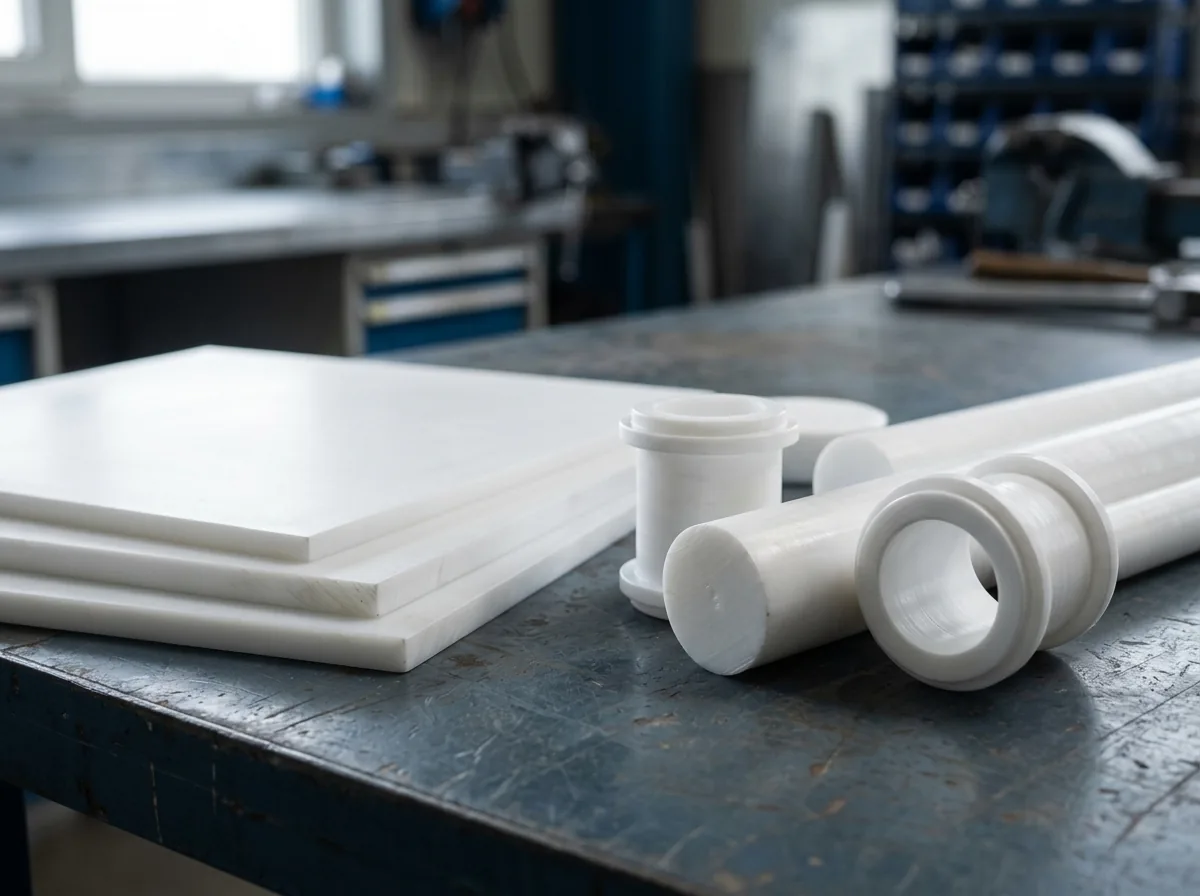
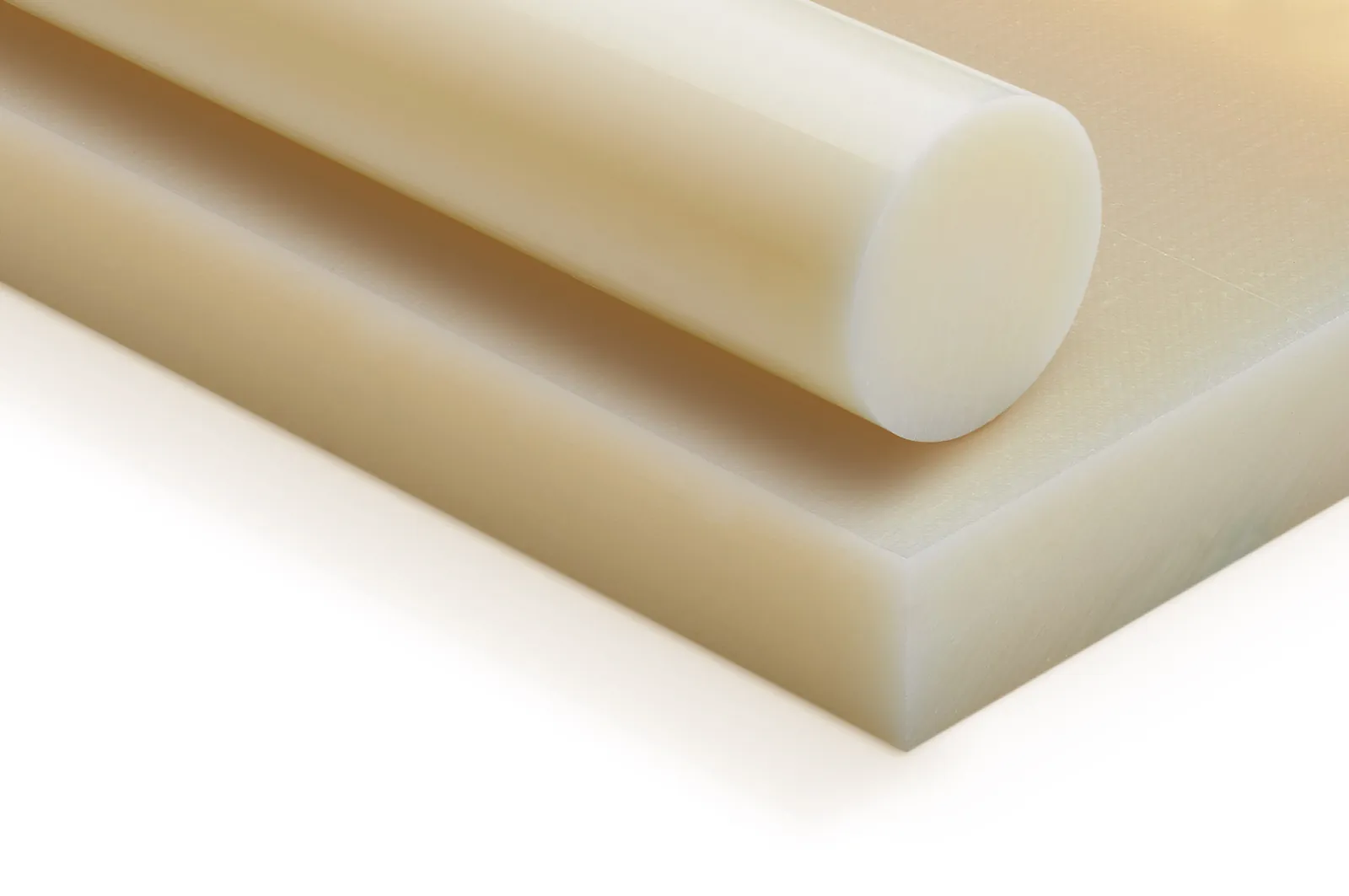
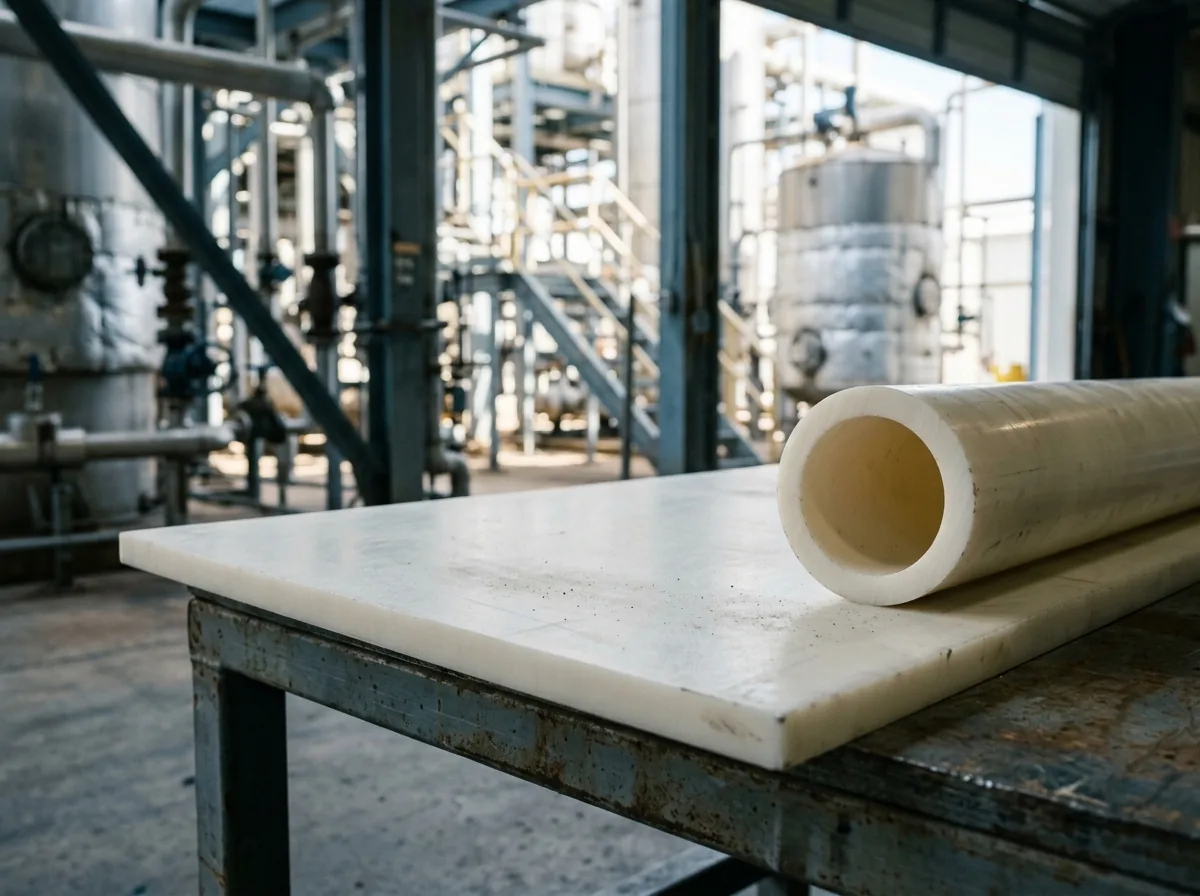
 This image was created with artificial intelligence – marked under Art. 50 of the AI Act, Regulation (EU) 2024/1689. It is a placeholder until the company's photos arrive.
High-performance plastics for indoor use
How high-performance plastics shape the interior of buildings and facilities. Fields of application, advantages, testing methods and future trends.
High-performance plastics are the answer to steadily increasing demands on materials in architecture, interior design, engineering and design. While wood, glass and metal have set standards for centuries, plastics of the latest generation open up completely new perspectives for the design of modern interiors. They are lighter, more robust, more versatile in form and often more durable than classic materials.
They can also be equipped with special properties such as fire protection, antibacterial surfaces or high chemical resistance. Especially in the interior of buildings, where safety, hygiene, aesthetics, energy efficiency and sustainability are equally required, high-performance plastics unfold their full potential.
Whether in residential construction, in public facilities, in industry or in healthcare – wherever functional and design requirements meet, they are indispensable today. This article shows in detail why high-performance plastics play a key role in interiors and how they drive the change towards future-proof, sustainable spatial concepts.
Typical areas of application in interiors
High-performance plastics are used in a wide variety of application fields. Depending on the material and property, different categories can be distinguished:
- Wall and ceiling claddings: Lightweight panels that can perform both acoustic and thermal functions.
- Floors: Plastics with high abrasion resistance that make heavily used surfaces in airports, shopping centres or production halls durable and easy to maintain.
- Sanitary and kitchen areas: Surfaces made of PPSU or PVDF that are resistant to moisture, chemicals and germ formation.
- Transparent components: Modified acrylics or polycarbonates that replace glass but are more impact-resistant and lighter.
- Safety components: Fire protection panels or insulating components that must comply with regulations in public buildings.
- Acoustic elements: Specially developed plastics that absorb sound and improve the indoor climate.
- Furniture and interior fittings: Ergonomic office chairs, hard-wearing table surfaces or modular shelving systems.
Advantages over classic materials
The advantages of high-performance plastics cannot be described by technical properties alone, but result from an interplay of functionality, economic efficiency and design freedom. They are highly flexible in processing and can be individually adapted to requirements through processes such as CNC milling, laser cutting or 3D printing. Compared with wood, glass or metal, they impress with excellent hygiene properties, as bacteria and dirt can hardly adhere to them.
Added to this are functional additional benefits such as UV stability, antistatic properties or integrated flame retardant additives. Energy efficiency also plays an important role, because their low weight reduces the energy required for transport, while their insulating effect lowers energy consumption during operation. Finally, they offer almost unlimited possibilities in colouring, transparency or surface design, so that they fit ideally into modern design concepts.
Quality and testing procedures
In order for high-performance plastics to withstand the high loads in interiors, they undergo extensive testing. In addition to classic mechanical tests that measure tensile, compressive or impact strength, specialised testing procedures are becoming increasingly important. Emission tests ensure that no harmful vapours enter the interior.
Antimicrobial tests show how well the materials can be used in hygienically sensitive areas such as clinics or laboratories. Thermal load tests, in which materials are exposed to sudden temperature changes in order to test their resistance, are equally decisive. For transparent and coloured components, light fastness tests are additionally carried out to ensure that colours and structures are retained in the long term.
These strict controls guarantee that high-performance plastics are not only functional but also safe for health and compliant with standards.
Sustainability and future trends
Sustainability has long been a central criterion in the development and application of high-performance plastics. In addition to classic recycling strategies, in which materials are returned to the production cycle, concepts of the circular economy aimed at closed material cycles are increasingly emerging.
Hybrid materials that combine plastics with natural fibres or other ecologically advantageous additives are also gaining in importance. Architects and planners are increasingly relying on bio-based polymers, which are produced from renewable raw materials such as cellulose or starch and thus reduce the ecological footprint.
At the same time, digitalisation plays a key role: additive manufacturing enables resource-saving production of customised components, while Building Information Modeling (BIM) facilitates the seamless integration of plastic components into construction and planning processes. Future developments will also move towards smart materials that offer antibacterial surfaces, self-healing properties or integrated sensors and thus open up completely new application possibilities.
Overview of important high-performance plastics in interiors
| Plastic | Typical properties | Areas of application |
|---|---|---|
| PEEK | Very high temperature resistance, chemical resistance, outstanding mechanical properties | Medical technology, electrical components, heavily stressed components in interiors |
| PPSU | High impact strength, sterilisability, chemical resistance | Sanitary areas, medical facilities, kitchen surfaces |
| PVDF | Very good resistance to chemicals, good fire protection properties, easy to clean | Wall and ceiling claddings in laboratories and clinics |
| PTFE | Extremely low coefficient of friction, high temperature and chemical resistance | Seals, sliding surfaces, components with high hygiene requirements |
| Polycarbonates | High transparency, impact resistance, UV stability | Room dividers, transparent components, design elements |
Practical examples of use
- Hospitals: Operating theatres with sterile, seamless wall panels made of PVDF that are easy to clean and resistant to chemicals.
- Museums and exhibition rooms: Transparent polycarbonate protects exhibits better than glass and is at the same time shatter-proof.
- Public transport: Seat shells and claddings made of PEEK are extremely robust, vandalism-proof and durable.
- Residential construction: High-performance plastics in kitchen worktops combine design with hygiene and heat resistance.
Outlook
The development of high-performance plastics for interiors is in a dynamic phase that is strongly shaped by technological innovations and societal requirements. Even today, smart plastics with embedded sensors, antibacterial properties or self-healing surfaces are no longer just research projects but are close to broad application.
In the future, interiors could thereby become not only more durable and more hygienic but also more intelligent. Conceivable are, for example, walls that monitor the ambient air, furniture that independently registers loads, or floor coverings that report wear at an early stage.
In addition, the increasing demand for energy-efficient, resource-saving and climate-friendly solutions will further drive the use of bio-based and recyclable materials. High-performance plastics will thus significantly change not only the design but also the functionality of interiors and consolidate their role as a key material of the future.
Conclusion
In interiors, high-performance plastics are not just a substitute material but a driver of innovations. They combine function, aesthetics and sustainability in a unique way. Through their versatility, they open up completely new possibilities in construction, design, medical technology and industry – and contribute decisively to making interiors future-proof and comfortable.
In addition, they offer planners, architects and operators long-term planning security, as they have a significantly longer service life than classic materials and require less maintenance. Their contribution goes far beyond functional aspects: they enable creative and sustainable solutions that increase comfort for people, raise energy efficiency and reduce environmental impact.
Looking ahead to the coming decades, it is to be expected that high-performance plastics will not only be used selectively but will establish themselves as a standard material for demanding interiors. They are thus an essential component of future construction and design concepts and make an important contribution to combining innovation, sustainability and quality of life.
FAQ
Which high-performance plastics are particularly common in interiors? PEEK, PPSU, PVDF, PTFE as well as modified polyamides and acrylics. They cover a broad spectrum from strength to transparency.
Are high-performance plastics safe for health? Yes, in tested quality they are safe. Especially in healthcare, strict standards such as FDA, ISO 10993 or EU directives are complied with.
How do high-performance plastics differ from standard plastics in interiors? They have higher temperature and chemical resistance, a longer service life and better mechanical properties.
What role does sustainability play in their use? A very large one. From recyclable materials to bio-based polymers, sustainable solutions are increasingly being developed.
What does the future of high-performance plastics in interiors look like? Trends are moving towards smart materials with additional functions such as self-healing, sensor integration or antibacterial surfaces.
How expensive are high-performance plastics compared with classic materials? The acquisition costs are generally higher, but are offset by the long service life, lower maintenance and additional functions. Considered over the entire life cycle, high-performance plastics can therefore even be more economical.
Which industries benefit particularly from use in interiors? Above all healthcare, food processing, public buildings, industrial halls and modern residential concepts are increasingly relying on high-performance plastics, as they offer functional as well as hygienic and design advantages.