The world of engineering plastics: properties, applications and challenges
In this blog article, we tell you about the properties and challenges that plastics entail.
In today's highly technological world, plastics are indispensable in the industrial sector. They play a decisive role in a wide range of industries, from the automotive industry to electronics production. These versatile materials offer a wealth of properties that make them extremely attractive for various applications. But what exactly are these properties that make engineering plastics so valuable?
Robustness and durability
Plastics are often characterised by their robustness and durability. They can withstand extreme conditions, whether high temperatures, chemical exposure or mechanical loads. This makes them ideal for use in environments where other materials would fail.
Lightweight
Another advantage of plastics is their low weight compared with traditional materials such as metal or glass. This makes them particularly attractive for applications where weight savings are important, such as in the automotive and aerospace sector.
Versatility
Plastics can exhibit a broad range of properties, depending on their composition and manufacturing process. From flexible to rigid, from transparent to opaque, from insulating to conductive – the versatility of engineering plastics makes it possible to develop tailored solutions for almost any application.
Corrosion resistance
Many engineering plastics are inherently resistant to corrosion, which makes them particularly suitable for use in environments where they come into contact with aggressive chemicals or moisture.
Easy processing
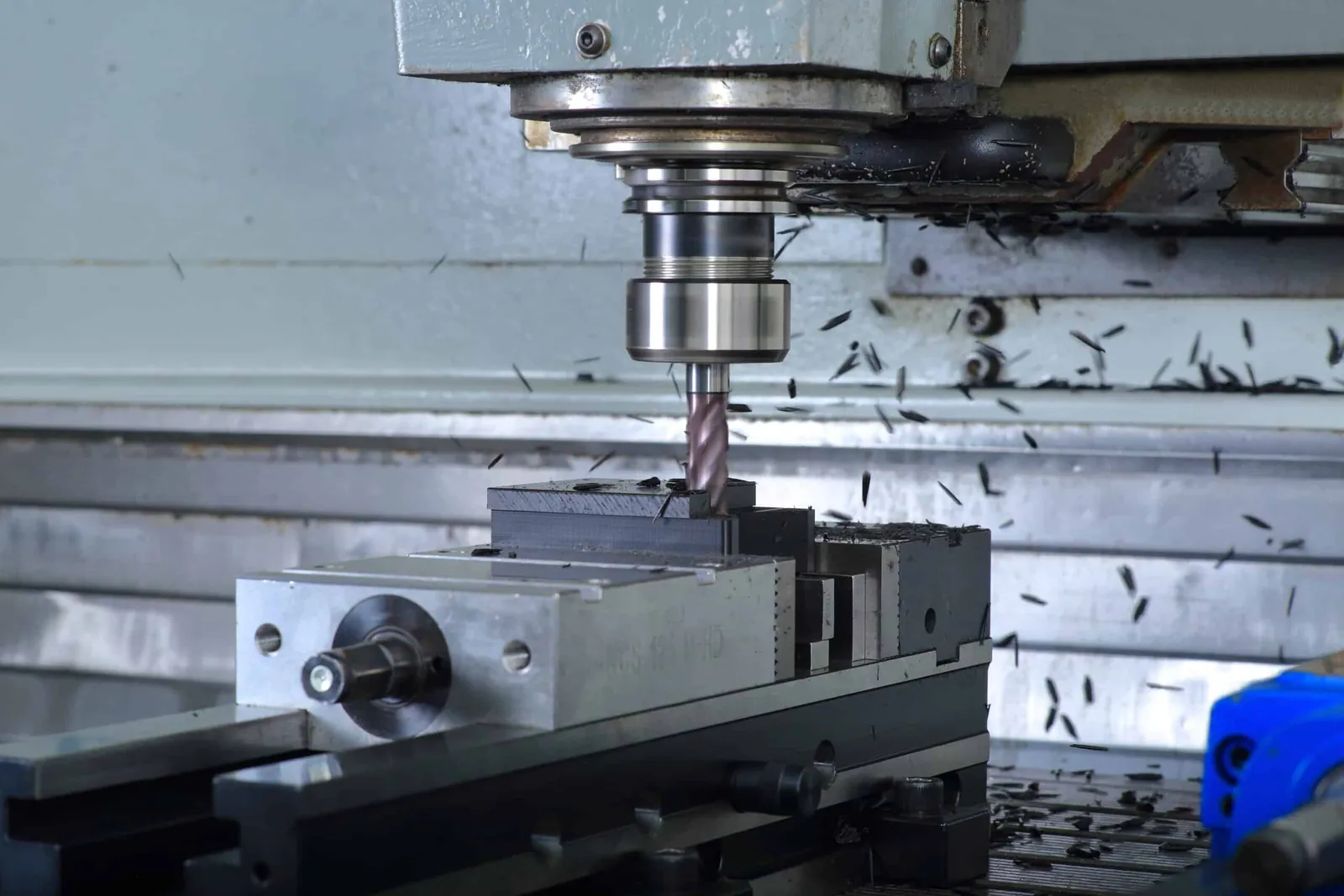
Compared with other materials such as metal or ceramics, plastics are often easier to process. They can be cast, injection moulded, extruded or formed to produce complex shapes. This facilitates the manufacture of complex components and reduces production.
You can find out more about the topic of processing and manufacturing here.
Temperature resistance
Engineering plastics are often characterised by their remarkable temperature resistance. They can withstand extreme temperatures, whether in freezing cold conditions or in blazing heat. Some plastics retain their structural integrity even at temperatures above 200°C, while others remain flexible even at very low temperatures, which makes them suitable for a wide range of applications in different environments. Polycarbonate, for example, is one of the most temperature-resistant plastics.
Chemical resistance
One of the outstanding properties of engineering plastics is their resistance to a wide range of chemical substances. They remain unchanged when they come into contact with various acids, bases and solvents. This resistance makes them extremely useful in industries such as the chemical industry, where they frequently have to handle aggressive chemicals without losing their structure or integrity. If you need a plastic with chemical resistance, PTFE is one of the best.
Electrical insulation capability
Another important aspect of engineering plastics is their ability to insulate electricity. Many plastics offer excellent electrical insulation capability, which makes them ideal for use in electrical systems and components. This property is of decisive importance for the safety and reliability of electrical applications, as it helps to prevent short circuits and other electrical faults.
Noise and vibration damping
Some plastics are known for their ability to absorb and dampen noise and vibrations. This property makes them extremely valuable for applications where a reduction of noise and vibration is required, such as in the automotive and aerospace industry. By using plastics, unwanted noise and vibrations can be effectively minimised, which improves comfort and extends the service life of machines and equipment.
Aesthetics and design freedom
In addition to their functional properties, engineering plastics also offer great design freedom and aesthetic variety. They can be produced in almost any desired shape and enable the realisation of products with appealing design and aesthetic appeal. This flexibility in the design process enables engineers and designers to develop creative solutions and design products that are not only functional but also aesthetically appealing.
Overall, engineering plastics are an indispensable part of our modern world. Their unique properties and their versatility make it possible to drive innovations in various industries and to keep pushing the boundaries of what is possible. It remains exciting to observe how these fascinating materials will continue to develop in the future.
Lorem ipsum dolor sit amet, consectetur adipiscing elit. Ut elit tellus, luctus nec ullamcorper mattis, pulvinar dapibus leo.
Lorem ipsum dolor sit amet, consectetur adipiscing elit. Ut elit tellus, luctus nec ullamcorper mattis, pulvinar dapibus leo.