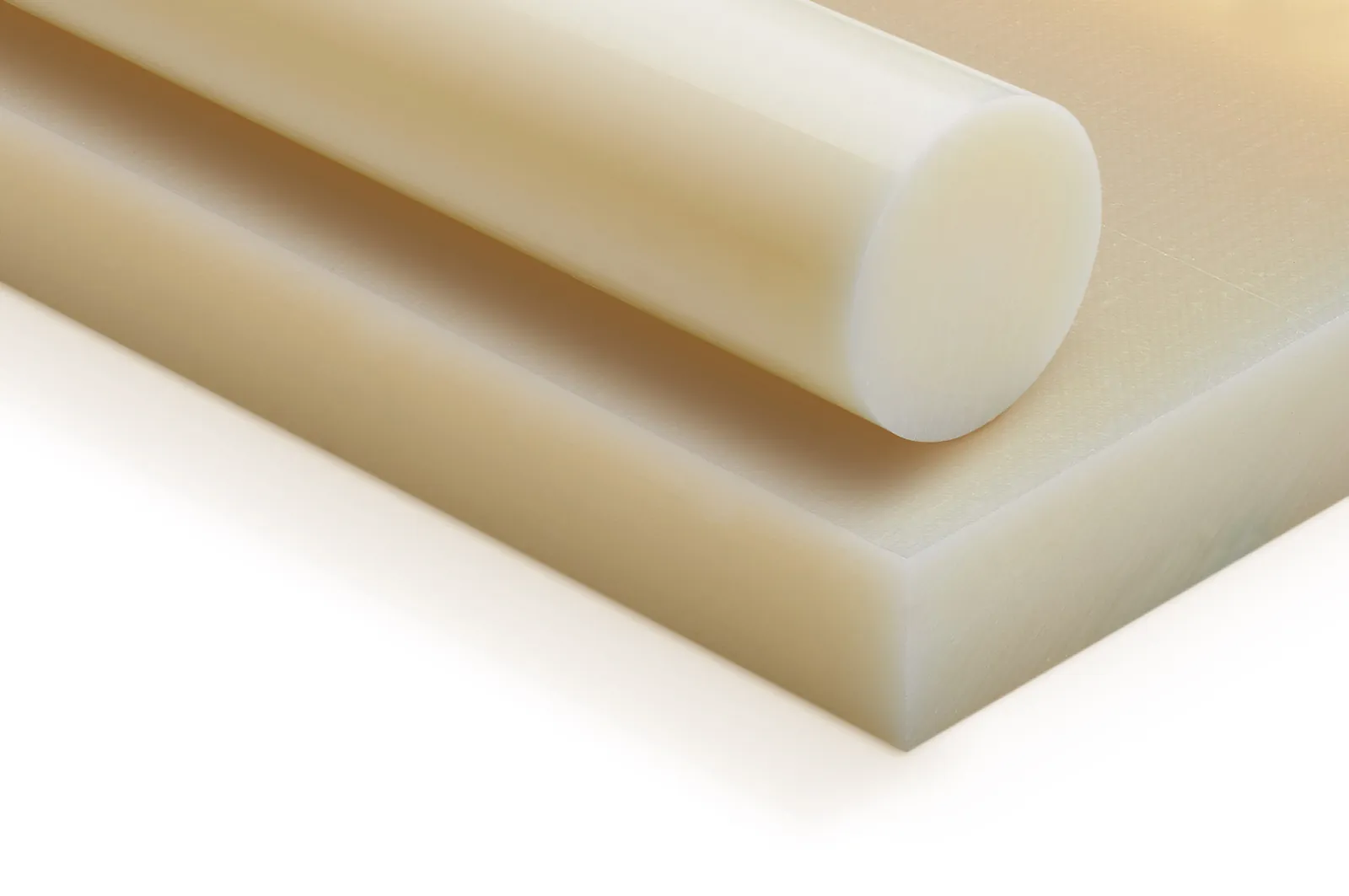
Bio-based plastics in industry: opportunities, challenges and applications
Bio-based plastics are considered a sustainable alternative to conventional plastics. Find out what advantages they offer, where they are used in industry and what challenges there are.
Bio-based plastics are gaining increasing importance in industry. They are regarded as an environmentally friendly alternative to conventional petroleum-based plastics and offer new perspectives for sustainable product and process design. Particularly in times of tightening environmental regulations and growing awareness of resource conservation, the use of bio-based materials is a relevant strategic factor.
But what exactly are bio-based plastics, and how do they differ from biodegradable plastics? What role do they play in industrial practice? This article provides a comprehensive overview.
What are bio-based plastics?
Bio-based plastics are plastics whose raw materials are derived wholly or partly from renewable resources. Typical sources are corn starch, sugar cane, cellulose or plant oils. In contrast to petroleum-based plastics, their production largely avoids fossil resources. Important: bio-based does not automatically mean biodegradable. Some bio-based plastics such as bio-PE or bio-PET are structurally identical to their petrochemical counterparts and behave identically in use.
Distinguishing criteria:
- Origin of the raw material: fossil vs. renewable
- Biodegradability: yes or no
- Processability: compatibility with existing plants
Advantages of bio-based plastics for industry
Improve the CO2 balance
The use of renewable raw materials reduces the CO2 footprint of many products. The plants bind CO2 during their growth, which contributes to a positive climate balance.
Resource conservation
Bio-based plastics reduce dependence on finite fossil raw materials such as petroleum and promote the shift to a circular economy with renewable raw materials.
Positive brand impact
Sustainability is becoming increasingly decisive for purchases among consumers and B2B partners. The use of bio-based materials strengthens brand positioning and trust in the company's environmental responsibility.
Technical equivalence
Many bio-based plastics exhibit mechanical, thermal and chemical properties comparable to those of their petroleum-based counterparts. As a result, they can be integrated into existing applications and manufacturing processes.
Future-proofing
The political framework is developing in the direction of greater sustainability and resource efficiency. Companies that adopt bio-based solutions early secure long-term competitive advantages.
Challenges in the use of bio-based plastics
Despite many advantages, there are also limitations:
- Cost: Bio-based plastics are often more expensive to produce.
- Availability: The supply of raw materials is sometimes fluctuating and regionally limited.
- Processability: Not all bioplastics can be used in existing plants without adaptation.
- Degradability: The confusion between bio-based and biodegradable often leads to misjudgements in recycling.
Industrial application areas
Bio-based plastics are used in numerous branches of industry:
Packaging industry
In the packaging sector, bio-based plastics such as PLA or bio-PE are frequently used. They are particularly suitable for single-use products such as films, cups or food packaging, as they have a lower CO2 impact and are partly biodegradable.
Automotive industry
The automotive sector uses bio-based polyamides and natural fibre-reinforced biopolymers for interior applications – such as trim, seat components or storage surfaces. These materials not only offer sustainability advantages but also high stability and low emissions in the vehicle interior.
Consumer goods
Bioplastics also play a growing role in the consumer goods sector. Toothbrushes, phone cases, writing instruments and even household goods are increasingly being made from PLA, bio-PET or other bio-based compounds. These products combine everyday suitability with ecological responsibility.
Medical technology
In medical technology, bio-based plastics are used primarily for single-use items, such as packaging, cutlery or sterile wraps. Biodegradable implants made from PLA or PHA are also gaining importance, as they can decompose in the body without leaving residues.
Construction industry
The construction industry is increasingly relying on bio-based plastics for insulation materials, panels or decorative surfaces. Materials such as lignin, PLA or bio-based polyurethane offer good technical properties and contribute to the ecological balance of construction projects.
Perspectives and developments
Research into bio-based plastics is advancing rapidly. Innovations such as PHA (polyhydroxyalkanoates) or bio-based high-performance plastics are expanding the range of applications. The use of genetically optimised microorganisms for the production of new monomers is increasing efficiency. The upcycling of biomass or the integration of waste materials from agriculture are also promising trends.
In the long term, it is to be expected that bio-based plastics will replace or complement conventional plastics in ever more application areas. The prerequisite is economically viable scaling of production.
Conclusion
Bio-based plastics offer a promising alternative to conventional plastics. They enable a better climate balance, reduce dependence on fossil resources and strengthen the sustainable positioning of companies. Despite existing challenges such as higher costs and limited availability, technologies and markets continue to develop. For many industries, new opportunities are opening up to combine ecological responsibility with technical performance.
FAQ
What is the difference between bio-based and biodegradable?
Bio-based refers to the origin of the raw materials, biodegradable to the method of disposal. A plastic can be bio-based but not biodegradable – and vice versa.
Are bio-based plastics more expensive?
Yes, currently mostly still. However, prices can fall as demand and production increase.
Are bioplastics suitable for technical applications?
Some are – such as bio-based polyamides, PLA blends or natural fibre-reinforced compounds, which exhibit good mechanical properties.
How sustainable are bio-based plastics really?
That depends on the entire life cycle. If they come from sustainably cultivated biomass and are processed efficiently, they offer clear advantages.
Can existing plants process bioplastics?
Partly yes. Some materials are compatible, others require adaptations or special tools.



