Elastomers & rubber
PUR sheet – cut to size
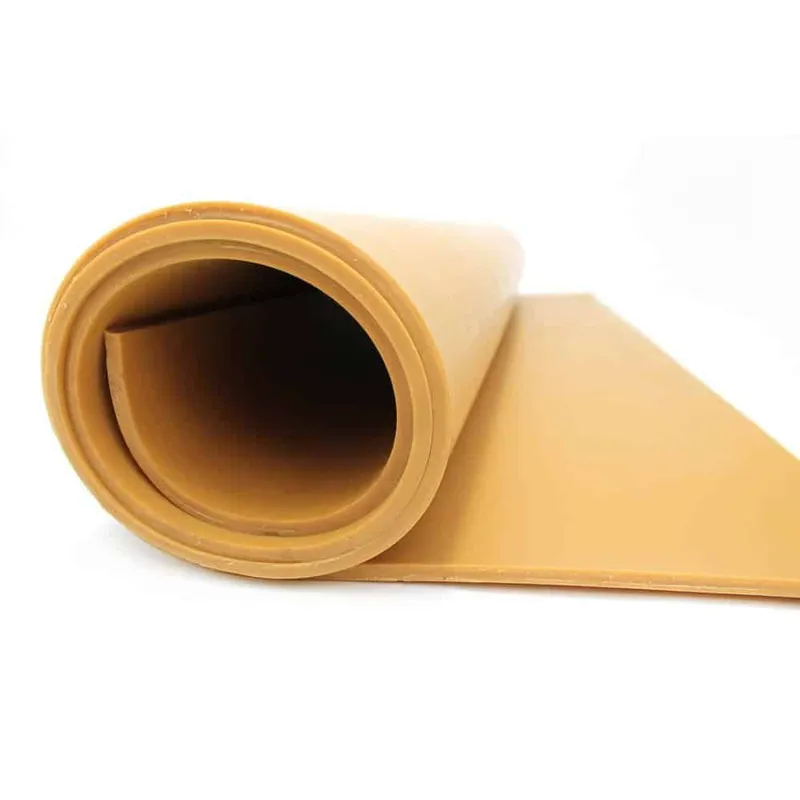
PUR sheets approx. 70° Shore PUR sheets impress with their exceptional load-bearing capacity and flexibility, which makes them ideal for a wide range of…
Description
PUR sheets approx. 70° Shore
PUR sheets impress with their exceptional load-bearing capacity and flexibility, which makes them ideal for a wide range of applications, including mechanical engineering, model making, the automotive industry and use in the construction industry.
These plastic sheets are a popular choice for demanding projects due to their outstanding mechanical and thermal properties, as they remain reliable even under extreme conditions.
PUR sheets are particularly resistant to abrasion and offer excellent damping properties, which makes them ideal for vibration-sensitive applications. Thanks to their high elasticity and dimensional stability, they are used in many industries, especially where load-bearing capacity and resistance are crucial. Their ability to return to their original shape even after heavy stress ensures a significantly extended service life.
Below you will learn more about the properties, technical data and areas of application of PUR sheets, which have proven themselves as an ideal material for many areas. Typical processing methods and the advantages of PUR over other materials are also described.
Processing and advantages of PUR sheets
Easy machining and versatility
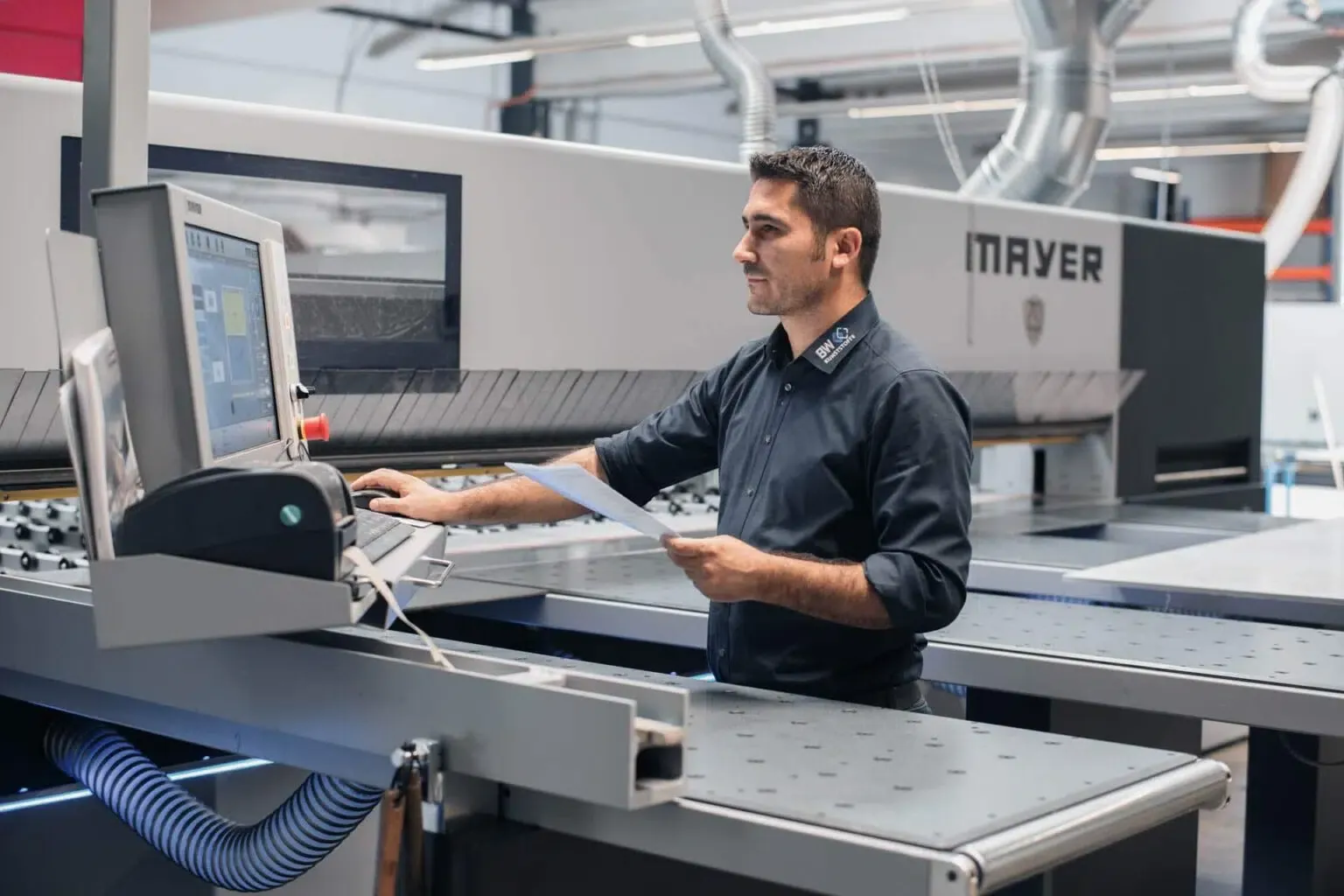
Machining PUR sheets is straightforward and can be carried out using conventional methods such as sawing, milling or cutting. Due to their thermoplastic properties, PUR sheets can also be shaped and cast into specific forms, which ensures great adaptability. This flexibility is particularly useful for customised solutions in mechanical engineering or industry, as it enables the production of complex components.
PUR sheets can also be easily bonded and mechanically fixed, which enables simple installation. Their high elasticity allows them to return to their original shape after loads, which significantly increases their service life. The chemical resistance of PUR is also worth highlighting, particularly against oils, greases and solvents, which favours use in mechanical engineering and the automotive industry. This resistance ensures that PUR reliably performs its function even in environments with aggressive chemicals.
Furthermore, PUR sheets can be further processed by injection moulding, which makes them particularly flexible in production. The material can also be combined excellently with other materials to create hybrid components that benefit from the advantages of several materials. This versatility enables the use of PUR in a wide range of special applications.
Weather and chemical resistance
An outstanding feature of PUR sheets is their resistance to weathering. They are resistant to UV radiation, ozone and moisture, which makes them the ideal choice for outdoor applications. The high chemical resistance to oils, greases and many solvents ensures that PUR sheets can be used reliably even in demanding industrial environments. This makes them an excellent solution for applications where resistance and durability are of crucial importance.
PUR retains its mechanical properties even at low temperatures, which makes the material usable in particularly cold environments. This robustness against extreme conditions ensures a long service life and reduces maintenance effort. Furthermore, PUR sheets are resistant to mechanical wear, which means they can also be used in highly stressed areas such as bearings or guide elements.
The combination of weather resistance, chemical resistance and high flexibility makes PUR sheets the first choice for demanding industrial applications. This resistance not only leads to an extended service life of the components, but also minimises maintenance effort and operating costs, which makes PUR a cost-effective solution.
Properties
Physical properties of PUR
PUR sheets are characterised by their high flexibility and elasticity. They are both impact-resistant and tear-resistant, which makes them an excellent choice for applications where mechanical loads occur. They also have high abrasion resistance and can retain their shape even at low temperatures, which makes them particularly durable and resilient. These properties make them ideal for long-term use in demanding environments.
Thanks to their high damping properties, PUR sheets are suitable for applications where vibrations are to be minimised. As a result, the material is widely used in the automotive and mechanical engineering industry, where it is used as a buffer, damper or protective cladding. The elasticity of PUR makes it possible to effectively absorb impacts and reduce load peaks, which extends the service life of the components used.
Applications
Use in mechanical engineering
PUR sheets are frequently used in mechanical engineering, particularly in areas where high mechanical loads occur. They are excellently suited as protective claddings, sliding guides and damping elements. Due to their high abrasion resistance and elasticity, they are ideal for moving machine parts where wear is to be avoided. PUR sheets help to extend the service life of mechanical engineering components while at the same time increasing operational safety.
PUR sheets are also used in conveyor systems and as buffers in production facilities to protect sensitive machine components and extend the service life of the system. The ability to use PUR in various degrees of hardness allows customised solutions for different load scenarios. In the automotive industry, PUR sheets are also used as damping elements to absorb vibrations and impacts, thereby increasing driving comfort and safety.
Model making and prototype development
In model making and prototype development, PUR sheets are frequently used due to their ease of machining and dimensional stability. They can be easily shaped and adapted, which makes them ideal for creating models and prototypes. The high stability ensures that even fine details can be realised without difficulty. In addition, PUR sheets can be easily painted and coated, which makes them particularly suitable for visually demanding models.
Due to their versatile mechanical properties, PUR sheets can also be used to develop functional prototypes that must withstand mechanical tests. This enables engineers and developers to test their concepts under realistic conditions before they go into series production.
Applications in the construction industry
In the construction industry, PUR sheets are used due to their excellent insulation and damping properties. They serve as insulation material that provides thermal and acoustic insulation, and are also suitable as seals and flexible impact protection systems. Due to their resistance to moisture and their long service life, they are ideal for outdoor use, for example as protection against mechanical effects or for insulation.
PUR sheets are also in demand in the field of building services. They are used as sealing material in windows and doors to minimise energy losses. Furthermore, they are excellently suited as impact sound insulation, which significantly improves living comfort in buildings. Their chemical resistance and their ability to withstand extreme conditions make them a preferred material for demanding construction projects.
FAQ about PUR sheets
Are PUR sheets weather-resistant?
Yes, PUR sheets are very weather-resistant. They are resistant to UV radiation, moisture and ozone, which means they offer a long service life outdoors as well. This resistance makes them ideal for applications that are exposed to extreme solar radiation or other environmental influences.
How can PUR sheets be machined?
PUR sheets can be machined using conventional methods such as sawing, milling and cutting. They can also be shaped and cast, which enables high flexibility in production. The ability to weld PUR and combine it with other materials makes processing particularly versatile and enables customised solutions.
What are PUR sheets particularly suitable for?
PUR sheets are particularly suitable for use in mechanical engineering, as damping elements, in model making and as insulation material in the construction industry. Their high abrasion resistance, elasticity and chemical resistance make them a versatile material. Furthermore, they are ideal for applications where impact damping and protection against mechanical influences are required, e.g. as protective padding or flexible bearings.
Technical data
- Material: Polyurethane (PUR)
- Degree of hardness: Various degrees of hardness available from soft to hard (e.g. Shore A 20 to Shore D 70)
- Temperature resistance: Service temperatures between -30 °C and +80 °C
- Tensile strength: High resistance to mechanical loads and abrasion
- Elasticity: High restoring force, ideal for damping vibrations
- Weather resistance: Good resistance to environmental influences and ozone
- Chemical resistance: High resistance to many oils, greases and solvents
PUR sheets are available in both soft and hard degrees of hardness, which underlines their versatility. They offer an excellent balance between flexibility and dimensional stability, which makes them particularly suitable for technical applications that require a high degree of elasticity. Their adaptability makes it possible to use the material in a wide variety of industrial processes without impairing the physical properties.