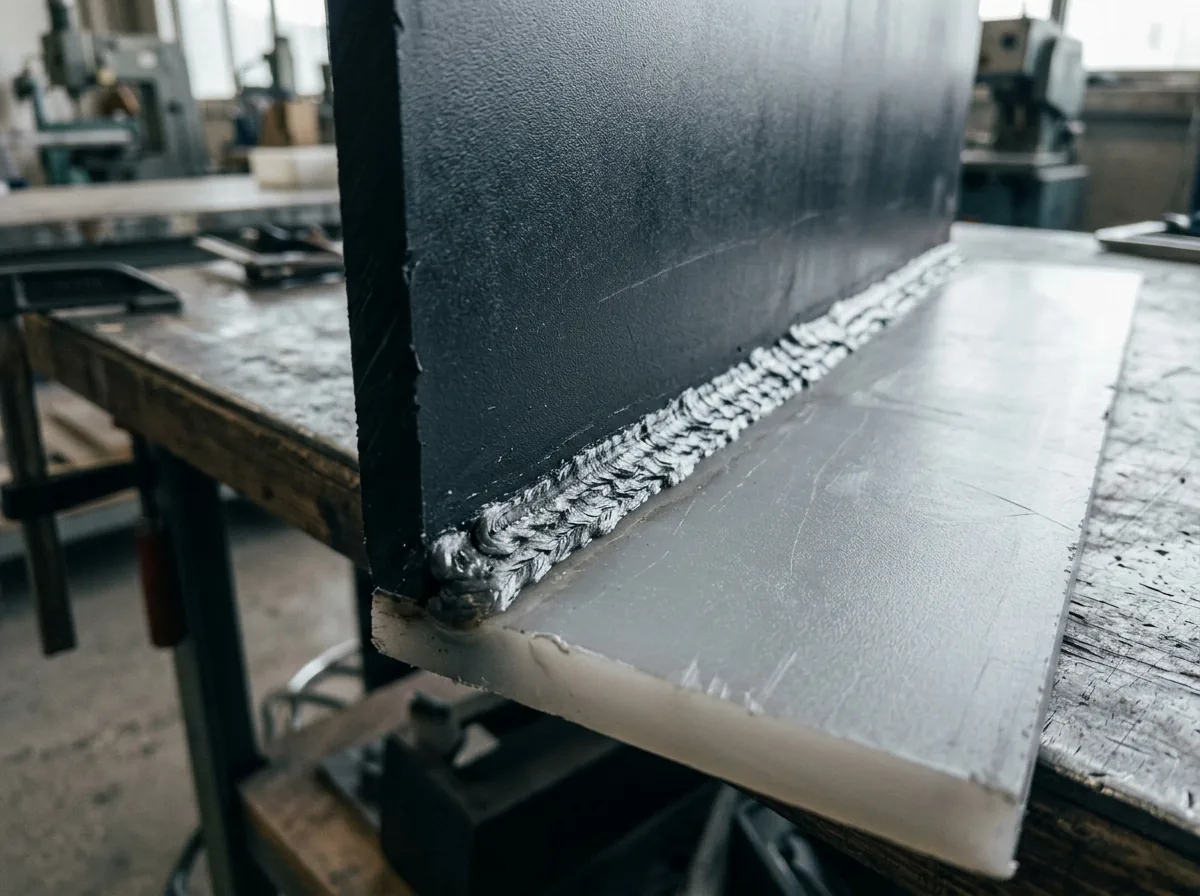
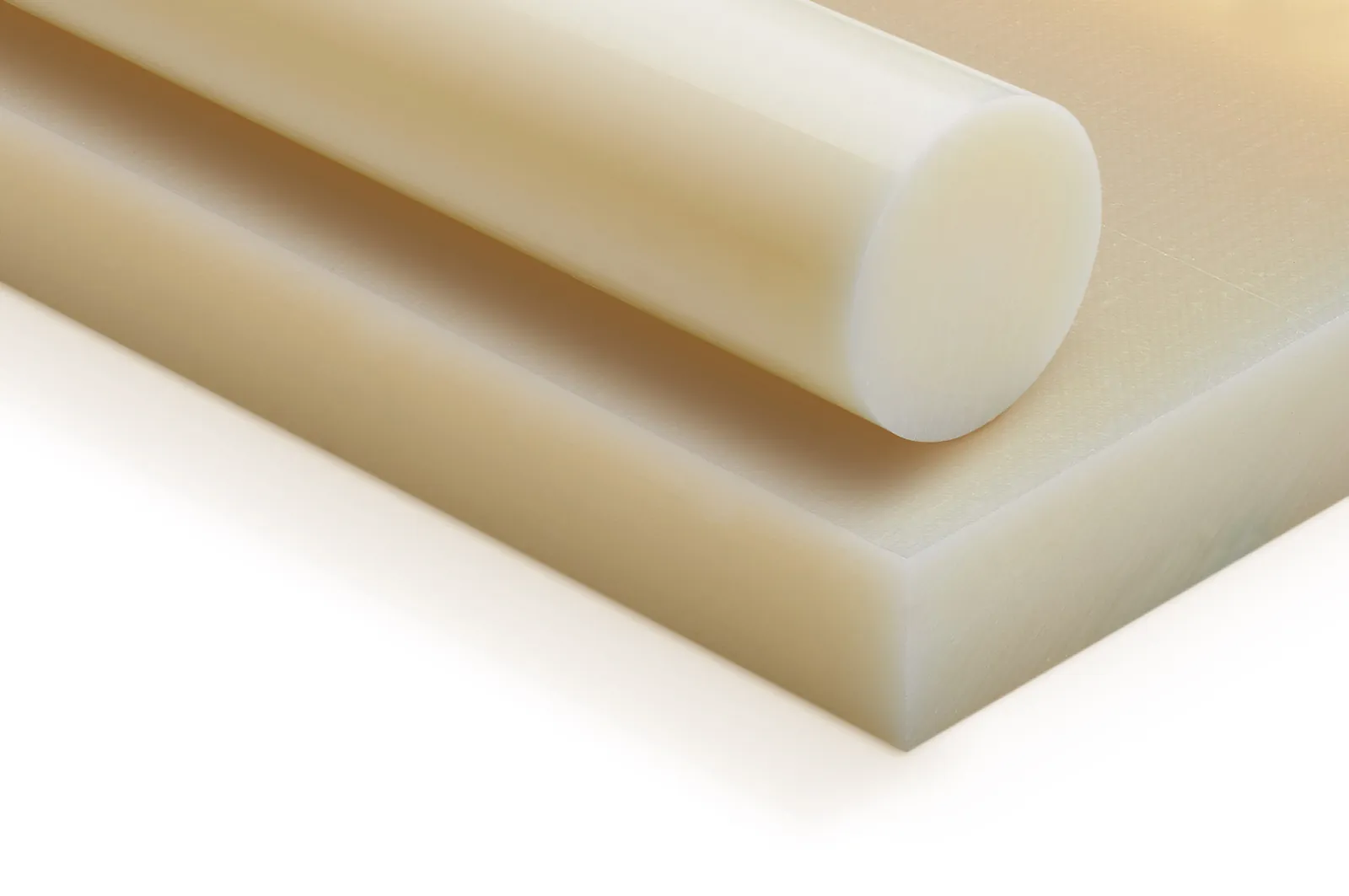
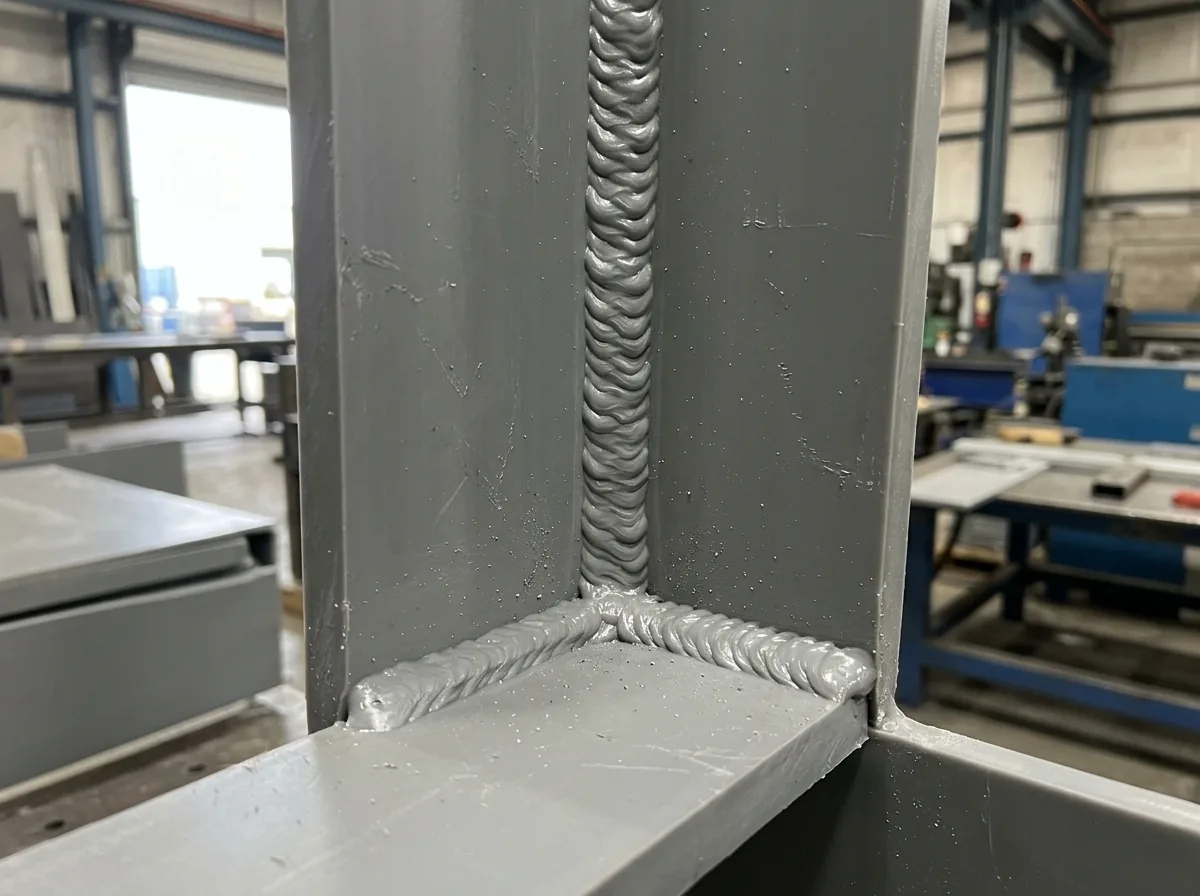
 This image was created with artificial intelligence – marked under Art. 50 of the AI Act, Regulation (EU) 2024/1689. It is a placeholder until the company's photos arrive.
Drinking water and wastewater technology
Plastics for drinking water and wastewater technology: PE, PP, PVDF and PTFE for components and water treatment. Select materials specifically.
Plastics for drinking water and wastewater technology must be able to handle water, moisture, cleaning media and sometimes aggressive chemicals on a permanent basis. At the same time, low water absorption, corrosion resistance, mechanical load capacity and – in the case of drinking water contact – the hygienic suitability of the specific material play an important role.
Martan Plastics supplies engineering plastics and manufactures custom plastic components for water treatment, drinking water supply and wastewater technology systems. Depending on the medium, temperature, mechanical load and regulatory requirements, we support you in selecting a suitable material.
What requirements must plastics meet in water technology?
The requirements differ significantly between drinking water systems, wastewater technology and industrial water treatment. A material should therefore not be selected on the basis of its general water resistance alone.
Important criteria are:
- Low water absorption: Low moisture absorption helps maintain the dimensional accuracy of components under permanent water contact.
- Chemical resistance: Wastewater, cleaning agents, acids, alkalis and other media can stress the material.
- Corrosion resistance: Plastics do not corrode like metallic materials and are therefore suitable for numerous permanently wet applications.
- Mechanical load capacity: Pressure, abrasion, flow and changing temperatures must be taken into account when selecting the material.
- Temperature resistance: The permissible operating temperature depends on the plastic, the load and the duration of use.
- Hygienic suitability: In direct contact with drinking water, the specific material or product quality must meet the requirements applicable to the intended use.
- Machinability: Valve components, guides, sealing components, flanges and other construction parts often have to be manufactured precisely to drawing.
Water absorption of plastics: Why is it important in water technology?
The water absorption of plastics differs significantly depending on the polymer. Water or moisture can affect the dimensions and mechanical properties of certain plastics.
For components with permanent water contact, plastics with low water absorption are therefore often of interest.
Polyethylene (PE), for example, has very low water absorption and high resistance to many chemical media. As a result, PE is suitable for numerous components in wet environments, containers and water technology systems.
Polypropylene (PP) is also characterised by low water absorption and good chemical resistance.
When selecting a material, however, water absorption should never be considered in isolation. Temperature, pressure, chemical contact, mechanical requirements and any required drinking water conformity are equally relevant.
Which plastics absorb particularly little water?
For water technology applications, materials whose properties are only slightly affected by moisture are particularly suitable.
Depending on the specific material grade, these include:
| Plastic | Water and moisture behaviour | Typical strengths in water technology |
|---|---|---|
| PE | very low water absorption | containers, linings, structural components |
| PP | low water absorption | containers, apparatus engineering, chemically stressed components |
| PVDF | low water absorption | demanding chemical and water technology applications |
| PTFE | very low water absorption | sealing, sliding and special components |
Plastics such as polyamide, by contrast, can absorb significantly more moisture. This may have to be taken into account, for example, with tight tolerances or particularly dimension-critical components.
Suitable plastics for drinking water and wastewater technology
Which plastic is suitable for an application depends on the respective field of use. PE, PP, PVDF and PTFE are particularly suitable for water technology.
Polyethylene (PE)
PE plastic combines very low water absorption with high chemical resistance and good impact strength.
Depending on the PE type, the material is suitable for example for:
- containers and tanks
- linings
- covers
- pipe components
- guides and sliding elements
- components in water and wastewater systems
PE 300 or PE-HD is often used for containers and welded constructions. PE 500 and PE 1000 also offer advantages for components subject to impact or wear.
Polypropylene (PP)
Polypropylene has good chemical resistance, low moisture absorption and higher rigidity than many PE grades.
PP is suitable for the following applications, among others:
- containers
- wastewater technology
- apparatus engineering
- pipe components
- chemically stressed constructions
- components in water treatment systems
PP is particularly interesting where, in addition to water resistance, good resistance to acids, alkalis and other chemicals is required.
PVDF for demanding water treatment
PVDF is an engineering fluoroplastic with high chemical and thermal resistance.
The material is used, among other things, for components that come into contact with more aggressive media or elevated temperatures. PVDF is therefore particularly interesting for demanding systems in industrial water treatment and chemical process engineering.
Possible components are:
- valve components
- pump components
- pipe components
- fittings
- container components
- components for dosing and treatment systems
PTFE for seals and chemically stressed components
PTFE is characterised by exceptionally high chemical resistance, very low water absorption and good sliding properties.
Typical applications in water and wastewater technology include:
- seals
- valve seats
- sliding elements
- bushes
- guides
- components subject to high chemical stress
PTFE is particularly suitable for applications where high chemical resistance is more important than high mechanical rigidity.
Which plastic is suitable for water contact?
Not every water-resistant plastic is automatically suitable for every application involving water. Particularly when selecting materials for drinking water, wastewater or chemically stressed process water, the actual operating conditions must be taken into account.
A first point of orientation:
| Requirement | Possible materials |
|---|---|
| Very low water absorption | PE, PTFE |
| Containers and tanks | PE, PP |
| High chemical stress | PVDF, PTFE, PP |
| Wear and sliding stress | PE 1000, PTFE |
| Higher thermal and chemical requirements | PVDF |
| Sealing and valve components | PTFE, PVDF |
| Economical structural components | PE, PP |
The final material selection should always be based on the specific application.
KTW approval for plastics: What must be considered in drinking water contact?
For components and materials in direct contact with drinking water, a general statement such as "water-resistant" is not sufficient.
Hygienic requirements apply to plastics and other organic materials in contact with drinking water. In Germany, the KTW assessment basis (KTW-BWGL) is currently particularly relevant for this.
The frequently used term "KTW approval for plastic" is a simplification. The German Environment Agency itself does not issue product approvals. Whether a material or product is suitable for a specific drinking water application must be assessed on the basis of the respective material quality, formulation, application and the required evidence.
For drinking water projects, therefore, the specific material grade should always be checked, not merely the general plastic designation.
A PE, PP, PVDF or PTFE material is not automatically approved for drinking water contact solely on the basis of its polymer type.
Material for drinking water pipes and water-carrying components
When considering the suitable material for drinking water pipes, factors other than the resistance of the plastic also play a role. These include, among others:
- drinking water hygiene
- temperature
- operating pressure
- duration of use
- mechanical load
- connection technology
- material quality
- required conformity certificates
Martan Plastics focuses in particular on engineering plastic semi-finished products and custom-manufactured plastic components for industrial applications. These include, for example, valve components, guides, sealing elements, flanges, spacers and other construction parts.
Plastic parts for water purification and water treatment
In water purification and industrial water treatment, plastic parts are used because they can reliably handle many aqueous and chemical media.
Typical components are:
- pump components
- valve seats
- guides
- sealing elements
- spacers
- flanges
- distributors
- nozzles
- container components
- structural sheets and cut pieces
PE, PP, PVDF or PTFE, for example, can be used for such applications. Which material is technically sensible depends on the medium, concentration, temperature, pressure and mechanical stress.
Plastic parts to drawing for water technology
In addition to material selection, precise manufacturing plays an important role. Martan Plastics handles plastic machining from simple cut-to-size pieces to custom-manufactured components.
Depending on the material and geometry, processes such as CNC milling, CNC turning, drilling and waterjet cutting are available, among others.
For example, the following can be manufactured:
- valve and pump components
- guides and sliding elements
- sealing components
- flanges
- bushes
- spacer elements
- housing components
- custom plastic sheets and cut pieces
Material selection and manufacturing can be tailored to the actual requirements of your water technology system.
Advantages of plastics in drinking water and wastewater technology
Engineering plastics offer several advantages over many metallic materials.
Corrosion resistance
Plastics do not rust. This is a significant advantage, particularly in permanent contact with water, moisture or corrosive media.
Low water absorption
Materials such as PE or PTFE absorb very little water. As a result, their dimensions are affected comparatively little by moisture.
High chemical resistance
Depending on the plastic, high resistance to acids, alkalis, salt solutions, cleaning media and other chemicals is possible.
Low weight
Plastic components are significantly lighter than comparable parts made from many metallic materials. This facilitates design, assembly and handling.
Custom machining
Engineering plastic semi-finished products can be machined precisely into custom components. This allows components to be adapted to existing systems, drawings and special operating conditions.
Selecting plastic for drinking water, wastewater or water treatment
Material selection should always begin with the actual conditions of use.
In particular, check:
- Does the component come into contact with drinking water, wastewater or process water?
- Which chemicals are present in the medium?
- Which temperatures occur permanently and briefly?
- What pressure and mechanical load is the component exposed to?
- Is particularly low water absorption required?
- Are there tight dimensional or shape tolerances?
- Are special hygienic certificates or conformities required?
- Must the component be wear-resistant, slidable or particularly chemical-resistant?
On this basis, it is possible to select between PE, PP, PVDF, PTFE and other engineering plastics much more reliably.
Custom plastic solutions for drinking water and wastewater technology
Martan Plastics supplies plastic semi-finished products and manufactures custom components for plant manufacturers, design engineers and industrial users.
From material selection through cutting to the ready-to-install component, you receive a solution tailored to your application.
Do you need a plastic with low water absorption, high chemical resistance or special requirements for a water technology application?
Contact Martan Plastics for your custom plastic solution.
Frequently asked questions about plastics in drinking water and wastewater technology
Which plastic absorbs little water?
PE and PTFE are characterised by very low water absorption. PP and PVDF also absorb comparatively little moisture. However, the specific suitability of a material also depends on temperature, mechanical load, chemical contact and the respective material quality.
Which plastic is suitable for permanent water contact?
For many technical applications with permanent water contact, PE, PP, PVDF or PTFE are suitable, for example. Which material represents the best solution depends on the actual operating conditions.
Is PE suitable for water?
PE has very low water absorption and high resistance to many aqueous media. Polyethylene is therefore often used for containers, linings and components of water technology systems. In drinking water contact, the specific material quality must additionally be suitable for the intended use.
What does KTW approval for plastic mean?
The term "KTW approval" is frequently used for the hygienic suitability of materials or products in drinking water contact. However, there is no general KTW approval for a plastic such as PE or PP solely on the basis of the polymer designation. What matters is the specific material quality, the intended use and the required evidence.
Which plastic is suitable for water purification?
For components in water purification and water treatment, PE, PP, PVDF or PTFE may be suitable, depending on the media used. With aggressive chemicals and higher requirements, fluoroplastics such as PVDF or PTFE can offer advantages.
Which plastic drum is suitable for drinking water or food?
Not every plastic drum is automatically suitable for drinking water or food. What matters is the specific material and product design and its documented suitability for the intended contact. The general statement "PE" or "food-safe plastic" alone is not sufficient for a reliable assessment.
What must be considered with plastic parts for wastewater?
In wastewater applications, chemical composition, temperature, abrasion, mechanical load and duration of use should be taken into account in particular. PP, PE, PVDF and PTFE offer different advantages depending on the requirement profile.