Recycling of engineering plastics: processes and potential
Learn all about the recycling of engineering plastics – from mechanical and chemical processes to challenges, potential and the role in the circular economy. Ideal for industry, development and sustainable production.
The responsible use of resources is increasingly becoming a focus in the plastics industry. Engineering plastics are used in highly specialised applications – from the automotive and electrical industries through to medical technology. Their durability and resistance make them valuable, but also challenging to dispose of. The recycling of engineering plastics is therefore gaining in importance, not only from an ecological point of view, but also in terms of economic efficiency and resource conservation.
With growing social and political pressure towards sustainability, the recovery of materials is becoming a strategic necessity for many companies. The plastics industry faces the task of designing high-quality engineering materials not only to be functional but also to be recyclable. The following article examines the common recycling processes, the specific challenges with engineering plastics and the potential of a circular value chain.
What are engineering plastics?
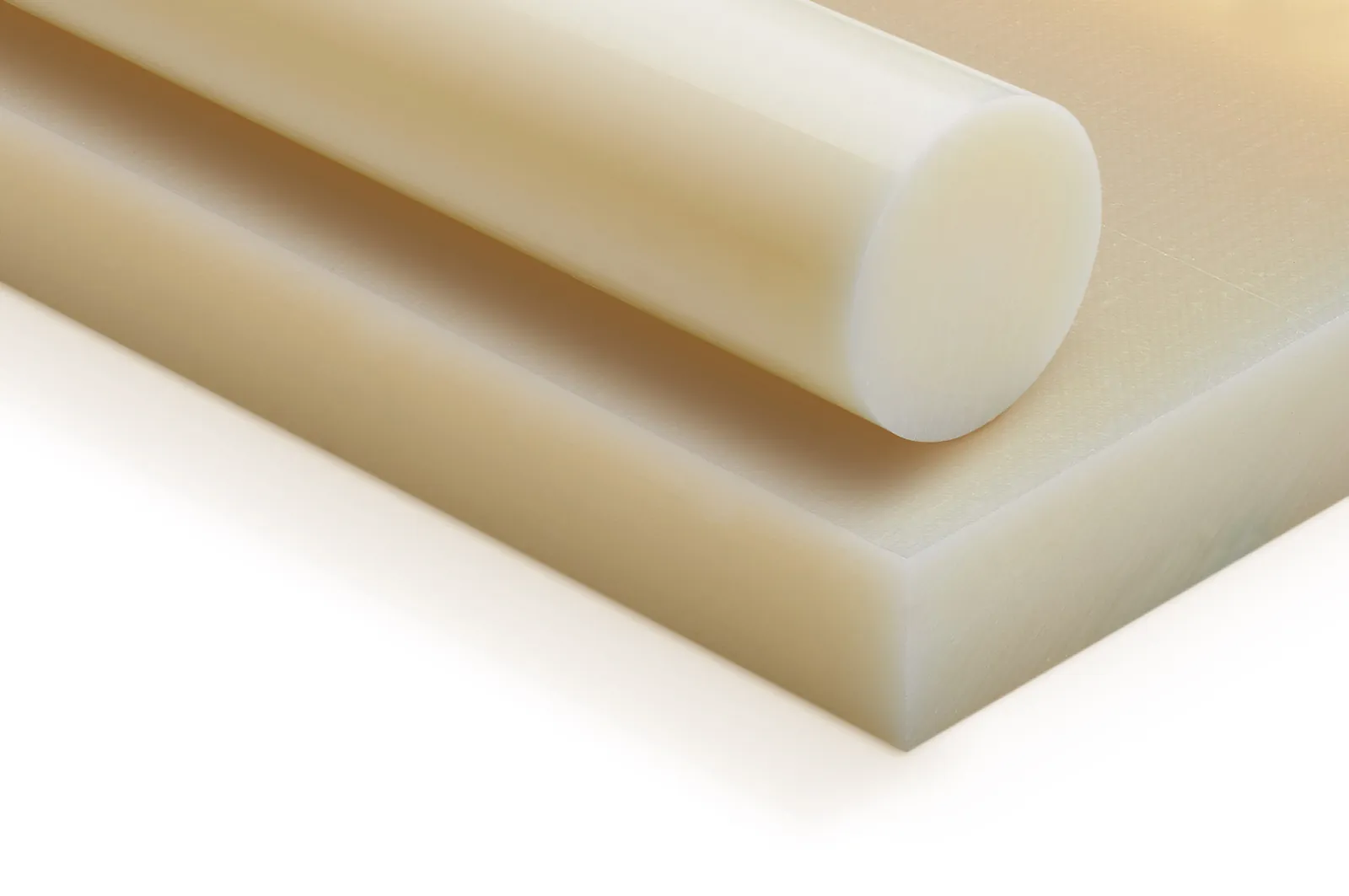
Engineering plastics (also: high-performance plastics or engineering thermoplastics) are characterised by particularly good mechanical, thermal and chemical properties. Typical representatives are:
- Polyamide (PA)
- Polyoxymethylene (POM)
- Polycarbonate (PC)
- Polyetheretherketone (PEEK)
- Polyphenylene sulphide (PPS)
These materials are used above all where standard plastics such as PE or PP reach their limits.
Recycling methods at a glance
The recycling of engineering plastics is more demanding than that of standard plastics, as high purity and consistent properties are required. Essentially, the following processes can be distinguished:
1. Mechanical recycling
Here, the plastics are collected by type, shredded, cleaned and extruded again. Advantage: The material remains a plastic. Disadvantage: Only economically viable with single-grade input. Properties can decline through ageing and mixing.
2. Chemical recycling
The plastic molecules are broken down into their original constituents, e.g. by pyrolysis, solvolysis or depolymerisation. Advantage: Mixed or contaminated plastics can also be recycled. Disadvantage: Energy-intensive, technologically complex and so far not widely used.
3. Energy recovery
Residues that cannot be materially recovered are used in incineration plants to generate energy. Advantage: Disposal with energy generation. Disadvantage: Not true recycling, as the material is destroyed.
Challenges in the recycling of engineering plastics
- Additives and fillers make recovery more difficult.
- Multilayer materials and composites often cannot be separated.
- High purity requirements for engineering applications limit the use of recyclates.
- Costs for sorting, cleaning and process control are high.
Potential and developments
Despite the hurdles mentioned, there are promising approaches:
- Sorting processes using AI and NIR technology improve the separation of plastic types.
- Design for recycling is gaining in importance: products are designed to be recycling-friendly.
- Recyclate certifications (e.g. by UL or DIN CERTCO) strengthen confidence in recycled materials.
- Industrial cooperations drive closed loops in manufacturing forward.
Significance for the circular economy
Through targeted recycling and intelligent product design, engineering plastics can make an important contribution to resource conservation. Their diverse properties and long service life make them indispensable in many branches of industry. At the same time, these properties mean that they are over-represented in the waste stream and are difficult to break down.
A functioning material cycle not only reduces dependence on fossil raw materials but also lowers the CO2 balance of industry. This strengthens the competitiveness of companies that focus on sustainability and opens up new markets for recycled high-performance plastics. In the long term, this leads to a paradigm shift: from a linear to a circular plastics economy.
Outlook
With rising demand for sustainable materials, the recycling of engineering plastics will continue to develop. Particularly in an industrial context, the interplay of digitalisation, materials research and legal regulation could become decisive for a circular future.
Innovative technologies, such as data-driven sorting processes, intelligent material databases or digital product passports, could increase transparency along the entire value chain and strengthen confidence in recyclates. At the same time, investors and customers are increasingly demanding traceable sustainability strategies. Anyone who in future relies on recoverable, recycling-friendly and documented materials gains not only regulatory advantages but also a genuine market advantage.
FAQ on the recycling of engineering plastics
Which plastics are particularly suitable for recycling? Polyamide (PA), polycarbonate (PC) and POM are readily recyclable when collected by type. High-temperature plastics such as PEEK are more involved, but are likewise in principle recoverable.
What is the difference between mechanical and chemical recycling? Mechanical recycling preserves the polymer structure, chemical recycling breaks it down into basic building blocks.
Are there legal requirements for plastics recycling? Yes, including through the European plastics strategy and the Circular Economy Act in Germany.
How can the recycling rate be improved? Through better sorting, more single-grade collection, recycling-friendly design and industrial return systems.