Plastic rods
PVDF rod – cut to size
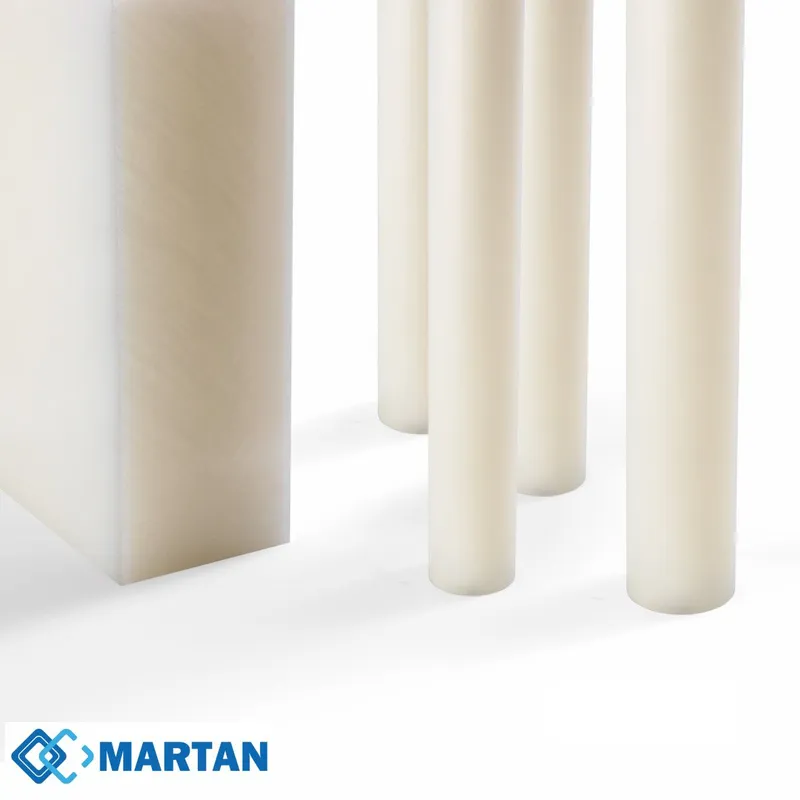
Polyvinylidene fluoride rods PVDF rods natural, also known as polyvinylidene fluoride rods, are a versatile high-performance plastic characterised…
Configure your cut
Description
Polyvinylidene fluoride rods
PVDF rods natural, also known as polyvinylidene fluoride rods, are a versatile high-performance plastic characterised particularly by their chemical resistance, good mechanical properties and thermal stability. PVDF rods are suitable for a wide range of industrial applications and are used above all in areas that place high demands on resistance to chemicals, UV radiation and mechanical stress. Thanks to these properties, PVDF rods are an excellent choice for the chemical, food and water treatment industries.
Polyvinylidene fluoride (PVDF) is a semi-crystalline fluoroplastic characterised by its excellent chemical resistance, high rigidity and good mechanical strength. The material also has very low moisture absorption, which ensures that the mechanical properties are retained even in damp or corrosive environments. This makes PVDF rods particularly suitable for demanding technical applications where reliability and durability are crucial.
Below you will find detailed information on the properties, technical data and areas of application of PVDF rods, which make them an indispensable solution for a wide range of industrial challenges.
Processing and advantages of PVDF rods natural
Machining of PVDF rods
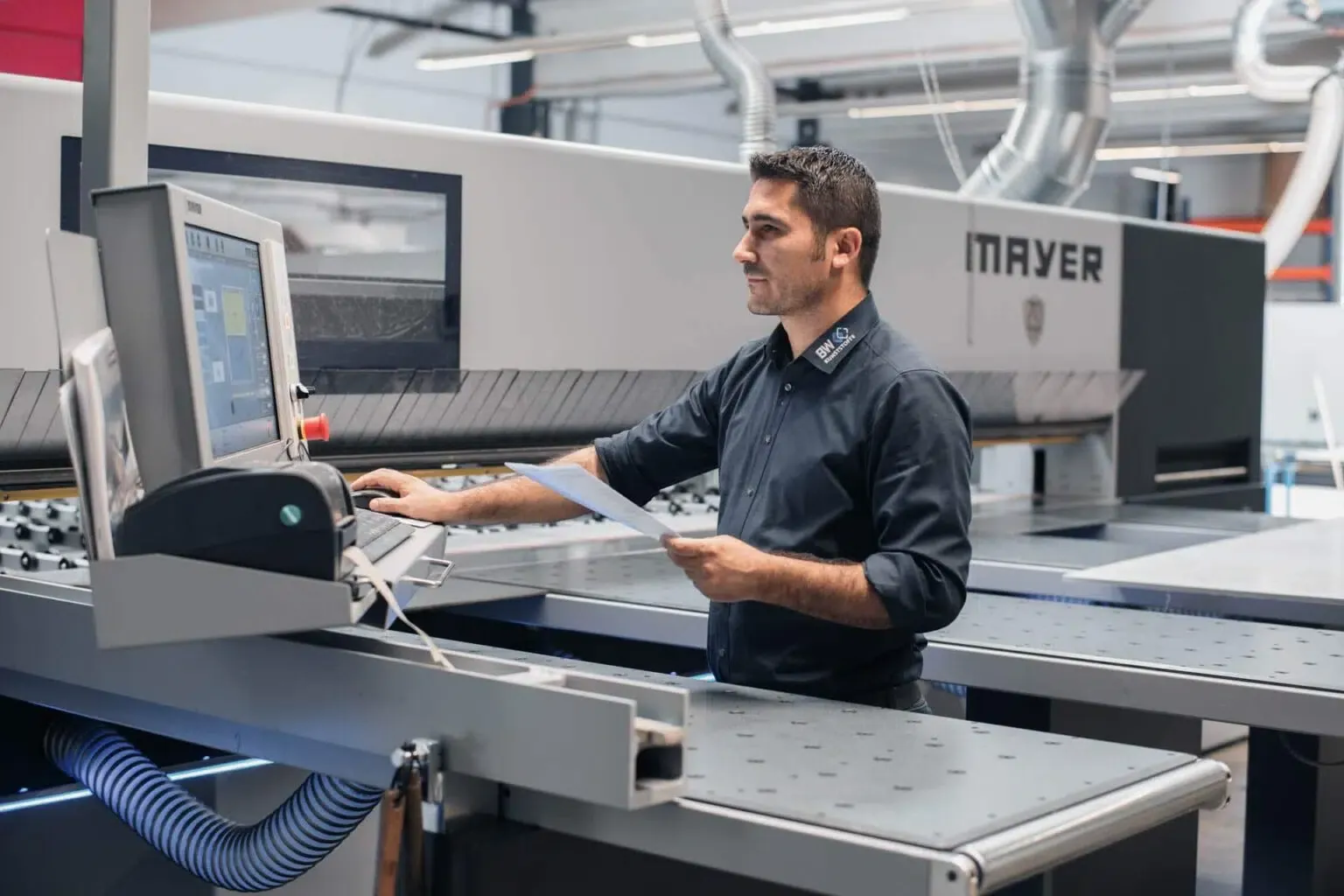
PVDF rods can be machined well using common machining methods such as turning, milling and drilling. Due to the strength of the material, sharp tools should be used to ensure precise machining. PVDF is a thermoplastic material and can therefore also be further processed by thermal methods such as welding, which makes the possible applications even more diverse.
The material can also be combined well with other plastics, making it suitable for applications where composite materials are required. PVDF has good machinability, which enables the production of precise components. The tight tolerances and ease of machining make PVDF rods an ideal choice for components that require high precision.
Weather and chemical resistance
PVDF rods are known for their excellent resistance to a wide range of chemicals, including strong acids, alkalis and organic solvents. This chemical resistance makes them an ideal solution for applications in the chemical and process industries, where components are frequently exposed to aggressive chemicals. The low water absorption ensures that the mechanical properties are retained even in corrosive or damp environments.
The high UV and weather resistance makes PVDF rods ideal for outdoor use, where they remain dimensionally stable and functional even under prolonged exposure to sun and weather. This resistance to environmental influences ensures that PVDF components have a long service life and retain their performance.
Properties
PVDF rods offer exceptional chemical resistance and high mechanical strength. They are resistant to most chemicals, including strong acids, alkalis and organic solvents. The material remains dimensionally stable even under extreme conditions and offers high tensile strength, making it outstandingly suitable for mechanically demanding applications. PVDF also exhibits excellent UV and weather resistance, making it particularly suitable for outdoor applications.
A further advantage of PVDF rods is their low water absorption, which means that the mechanical properties remain stable even in damp environments. In addition, PVDF as a material is flame-retardant and exhibits low smoke development in the event of fire, which makes it particularly safe for applications where fire protection plays a role.
Applications
Use in the chemical and process industries
Due to their exceptional chemical resistance, PVDF rods are ideal for use in the chemical and process industries. They are frequently used for the manufacture of pump parts, valves, seals and containers that come into contact with aggressive chemicals. The high resistance to acids, alkalis and solvents ensures that the components function reliably even under extreme conditions.
Water treatment and environmental engineering
PVDF rods are also widely used in water treatment and environmental engineering. They are used for pipelines, fittings and filter components, as they are resistant to chemically contaminated water and other liquids. PVDF rods are ideal for contact with drinking water and meet the required hygiene standards for use in water treatment.
Electrical engineering and semiconductor industry
PVDF rods are also used in electrical engineering and the semiconductor industry, in particular for applications where high purity and chemical resistance are important. The material offers excellent electrical insulation and is therefore used for insulators, switch parts and other electrical components. The low smoke development and flame retardancy make PVDF particularly suitable for safety-relevant applications.
FAQ on PVDF rods natural
Are PVDF rods weather-resistant?
Yes, PVDF rods are extremely weather-resistant. They are resistant to UV radiation and retain their mechanical properties even under prolonged exposure to sun and weather, which makes them ideal for outdoor use.
How can PVDF rods be machined?
PVDF rods can be machined well by turning, milling and drilling. Sharp tools should be used to achieve precise and clean results. PVDF can also be further processed by thermal methods such as welding.
What are PVDF rods particularly suitable for?
PVDF rods are particularly suitable for use in the chemical and process industries, water treatment and electrical engineering. Their high chemical resistance, good mechanical strength and low water absorption make them a versatile material for technical applications.
Technical data
- Material: Polyvinylidene fluoride (PVDF)
- Density: Approximately 1.78 g/cm³
- Temperature resistance: Service temperatures between -30 °C and +150 °C
- Chemical resistance: Excellent resistance to acids, alkalis and solvents
- Abrasion resistance: High wear resistance, ideal for mechanically stressed components
- Water absorption: Very low water absorption, which ensures stable mechanical properties in damp environments
- Weather resistance: Excellent UV and weather resistance for outdoor applications
- Flame retardancy: Flame-retardant with low smoke development
Due to their outstanding chemical and thermal properties, PVDF rods are a preferred choice for technical components that must withstand high loads. The combination of resistance, mechanical strength and thermal stability makes PVDF a very versatile material.