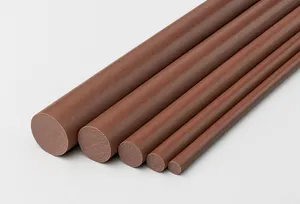
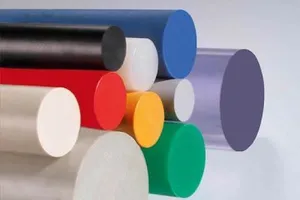
Plastic rods
PP rod – cut to size
Polypropylene rod: versatile, lightweight and chemically resistant Polypropylene (PP) is a semi-crystalline thermoplastic known for its outstanding chemical…
Description
Polypropylene rod: versatile, lightweight and chemically resistant
Polypropylene (PP) is a semi-crystalline thermoplastic known for its outstanding chemical resistance, high toughness and low density.
Polypropylene rods are suitable for a wide range of industrial applications, particularly where a combination of resistance to chemicals, lightweight and flexibility is required. These rods are an excellent choice in both technical and chemical environments and offer a wide range of machining options, which makes them particularly adaptable.
In addition, polypropylene is a popular material in a wide variety of fields thanks to its cost-effectiveness and high performance.
Because of its outstanding heat resistance and UV stability, polypropylene is particularly valued for indoor and outdoor applications. The combination of these properties ensures that polypropylene rods are not only durable but also withstand difficult conditions.
This makes polypropylene an ideal choice for a wide range of projects that require a long-lasting and resilient solution.
Processing and advantages of polypropylene rods
Machining of polypropylene rods
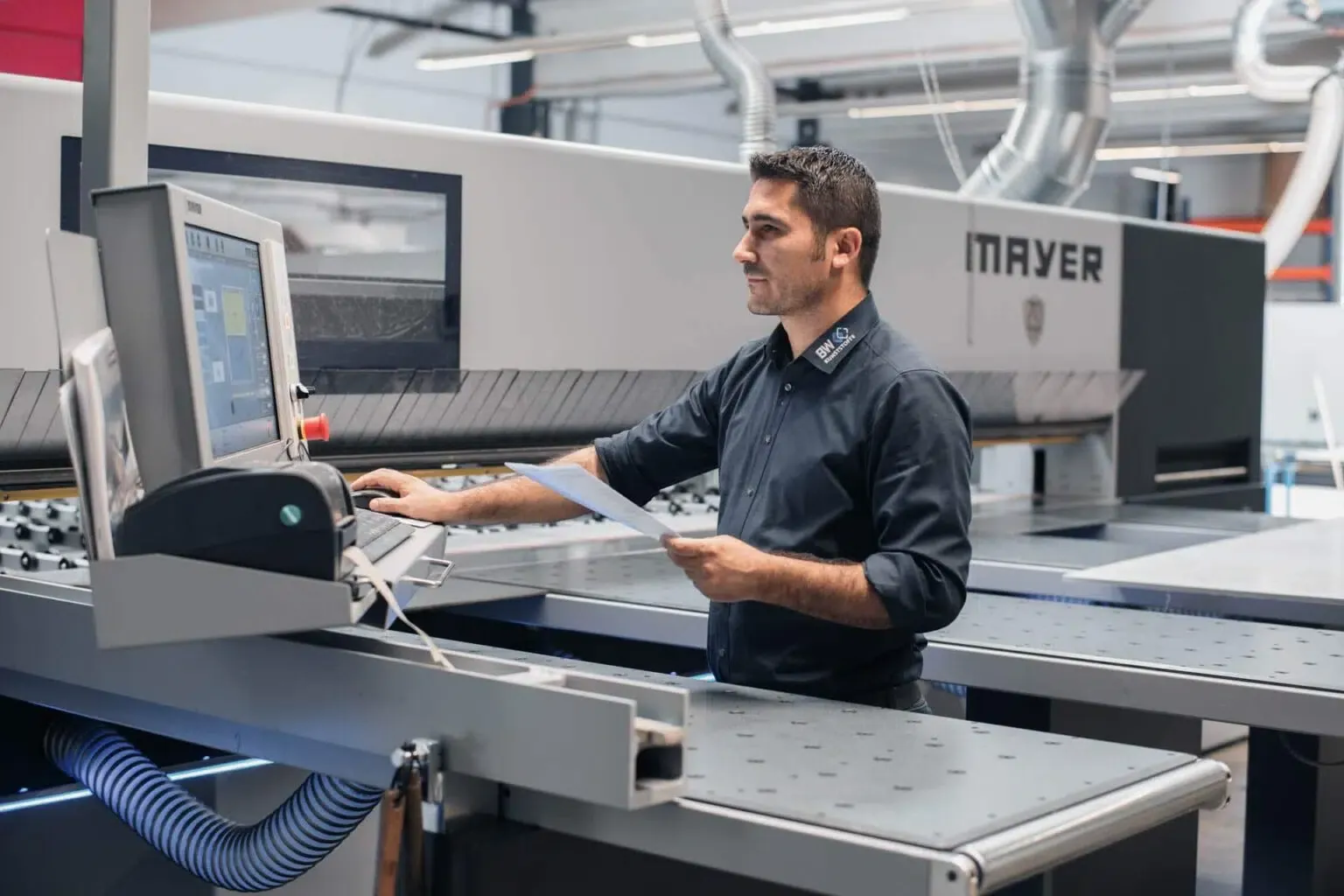
Polypropylene rods are easy to machine with common tools. They can be sawn, turned, milled and welded, and the material is very easy to handle thanks to its high toughness.
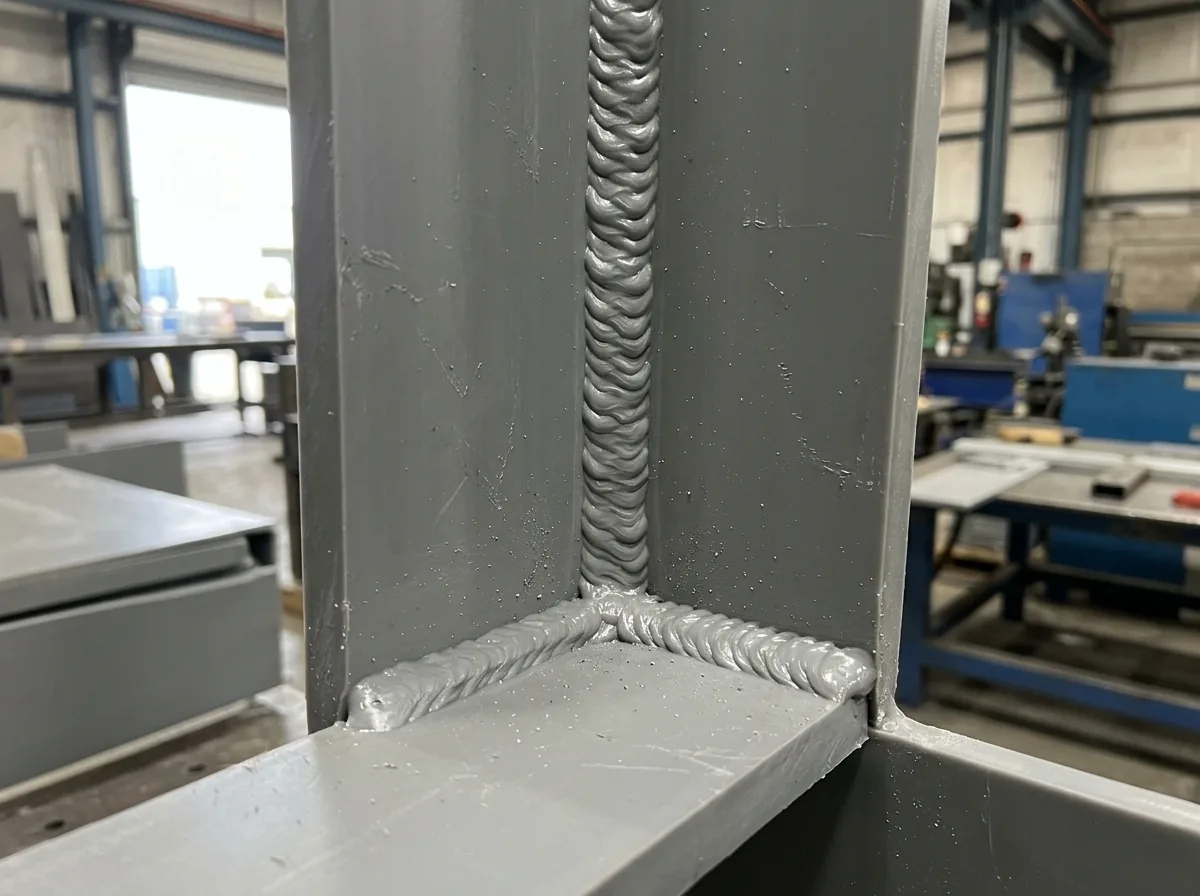
A further advantage of polypropylene is that it can be welded, which means that even complex assemblies can be produced. The material can also be formed well by hot bending, which opens up additional design options. This ease of machining and formability makes polypropylene particularly popular in areas where individual and flexible solutions are required.
Thanks to the dimensional stability of polypropylene, cracks or chipping do not occur during machining, which enables the production of long-lasting components. Polypropylene is also an excellent material for thermoforming, which means it can be used in a wide variety of manufacturing applications.
Compared with many other plastics, machining causes less wear, which leads to a longer tool life.
Properties
- High chemical resistance: Polypropylene is resistant to a wide range of chemicals, including acids, alkalis and organic solvents. This makes it particularly suitable for use in chemical environments where high resistance to aggressive substances is required. This chemical resistance makes polypropylene a reliable material for long-term projects.
- Low density and weight: Polypropylene is a very lightweight plastic with a density of around 0.91 g/cm³, which makes it ideal for applications where weight reduction is crucial. The low weight makes transport and assembly easier and leads to lower overall costs in processing and installation.
- High impact strength and toughness: Despite its low weight, polypropylene has high toughness and impact strength, even at low temperatures. This property ensures that the plastic does not break or fail even under dynamic load and in demanding environments.
- Low moisture absorption: Polypropylene absorbs hardly any water, which means it retains its mechanical properties even in humid environments. The low water absorption also prevents the material from swelling or warping, which ensures long-term dimensional stability.
- Good thermal resistance: Polypropylene can withstand temperatures of up to around +100 °C without losing its mechanical properties. This thermal stability is particularly important in industrial applications where the material is regularly exposed to high temperatures.
- Physiologically safe: Polypropylene is suitable for food contact and is therefore also frequently used in the food industry. The material meets the requirements of food processing and ensures safe applications in production environments that are subject to strict hygiene standards.
Applications
Chemical industry
Thanks to their high chemical resistance, polypropylene rods are ideal for applications in the chemical industry. They are suitable for use in tanks, tubes and pipes that come into contact with aggressive chemicals. PP rods are also valued as seals, valve seats and protective devices in chemical environments. The outstanding resistance to corrosion and chemical wear ensures a long service life for the components, even in particularly aggressive environments.
Food industry
Because polypropylene is physiologically safe, it can be used in direct contact with food. Typical applications in food processing include conveyor technology, cutting boards, packaging machines and bulk material containers. The low moisture absorption contributes to high hygiene safety and prevents the accumulation of bacteria on the surface. The ease with which the material can be cleaned makes it a popular choice in production environments where cleanliness is the top priority.
Mechanical engineering and plant engineering
In mechanical engineering, polypropylene rods are used to manufacture wear parts, plain bearings, guide rails and protective devices. The high toughness and flexibility of the material ensure a long service life for the components, even under dynamic load. The ease of processing enables economical production of components for a wide variety of machines and systems. Polypropylene is also often used for insulating parts, as it has good electrical insulation properties and therefore offers additional safety in industrial systems.
Advantages of polypropylene rods
- Chemical resistance: Resistant to a wide range of chemicals, which makes the plastic particularly suitable for the chemical industry. This resistance makes polypropylene the material of choice for projects used in aggressive chemical environments.
- Low weight: Thanks to its low density, polypropylene is lighter than many other plastics, which makes transport and assembly easier and reduces the overall load. This makes it outstandingly suitable for mobile applications and projects where weight reduction is required.
- Versatile application options: Suitable for the food industry, mechanical engineering, the chemical industry and plant engineering – polypropylene can be used universally. Its adaptability to a wide variety of applications enables flexible solutions for many technical challenges.
- Easy machining: The plastic can be easily machined, welded and formed, which enables simple and cost-effective production of components. The option of also processing polypropylene by thermoforming significantly increases the variety of design options.
- Physiologically safe: Polypropylene is suitable for direct food contact and meets the relevant safety standards. This makes it an ideal solution for applications where strict hygiene standards must be met.
- High UV and weather resistance: Polypropylene shows good resistance to UV radiation and various weather influences. This makes the plastic ideal for outdoor applications where the material is exposed to both sunlight and precipitation.
- Cost-effectiveness: Polypropylene is not only high-performing but also inexpensive, which makes it an economical choice for a wide range of projects. Thanks to its long service life and low maintenance costs, the material proves to be extremely cost-effective.
Use the versatility and resistance of our polypropylene rods for your projects and benefit from a material that convinces through its flexibility, chemical resilience, ease of processing and economy. Whether in the chemical industry, in mechanical engineering or in food processing – polypropylene offers an ideal combination of performance, durability and cost-effectiveness to meet your requirements in the best possible way.
Technical data
- Material: Polypropylene (PP)
- Density: approx. 0.91 g/cm³
- Temperature resistance: service temperatures between 0 °C and +100 °C
- Chemical resistance: outstanding resistance to acids, alkalis and many solvents
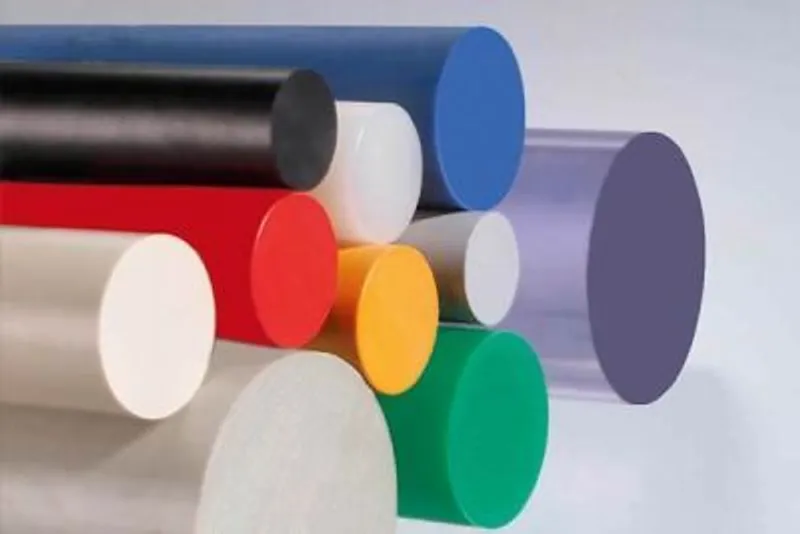
- Colours: natural, grey, black (other colours on request)
- Diameter: 10 to 400 mm
The technical data make polypropylene rods a flexible material that can be used in many areas. The low density and the good price-performance ratio in particular are important factors when selecting a material. The option of obtaining polypropylene in different diameters and colours makes it particularly attractive for customised solutions.