Plastic sheets
PA 6 sheet – cut to size
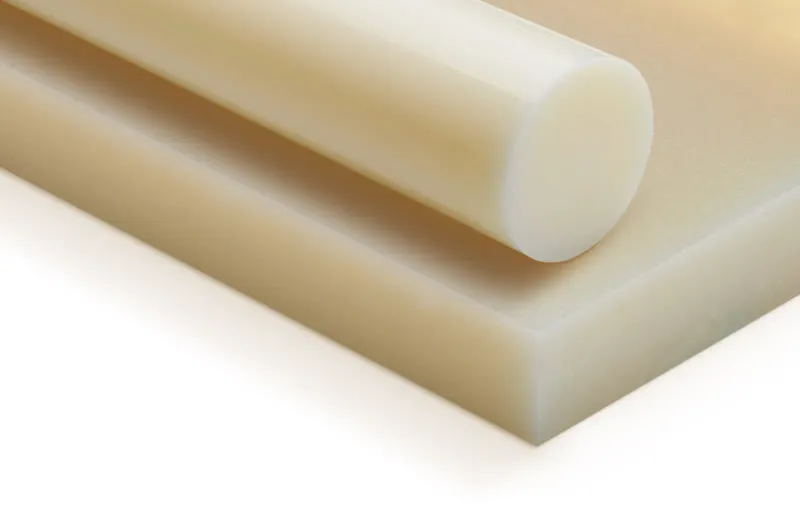
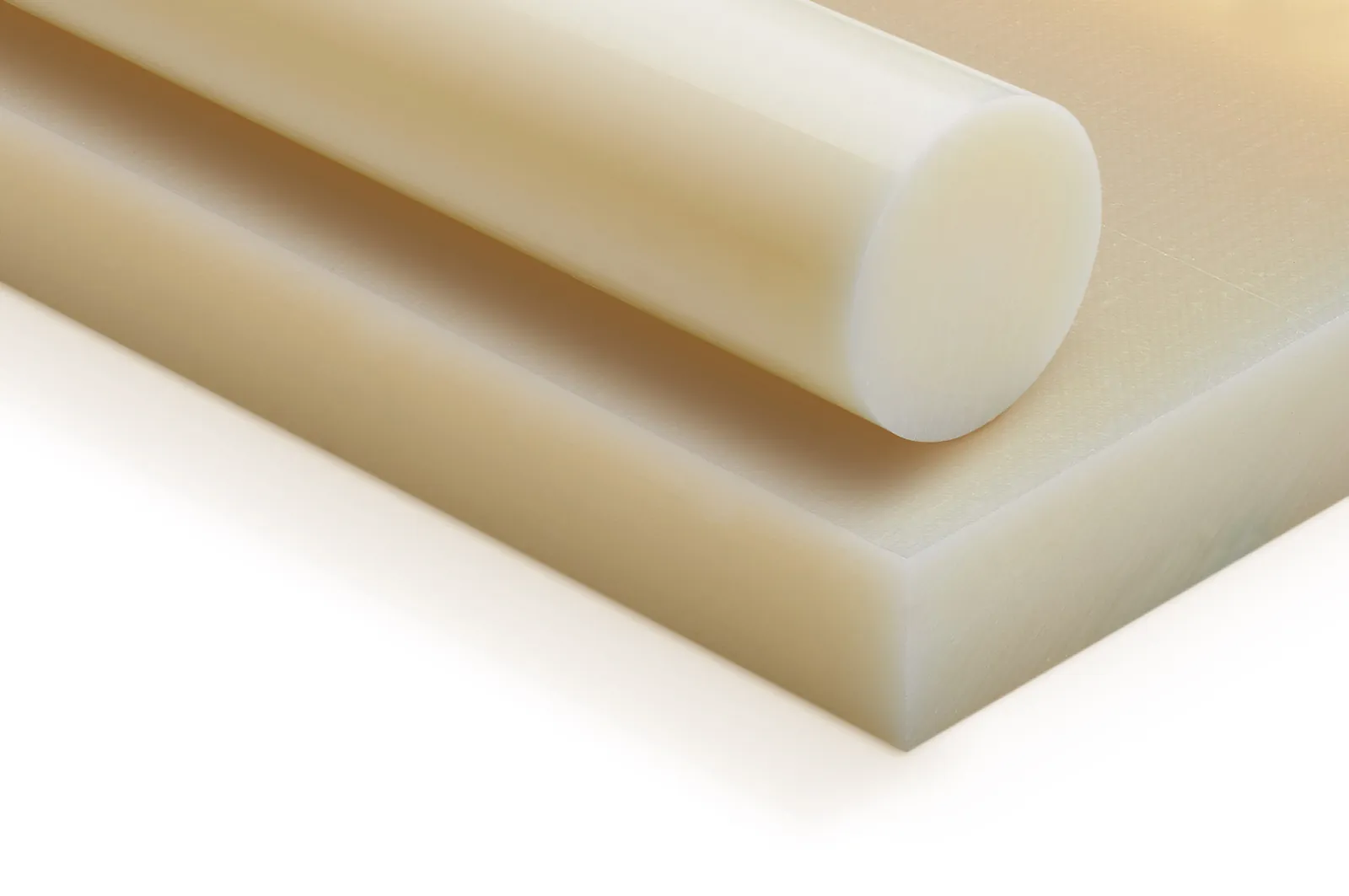
PA6 sheets – High-quality polyamide sheets cut to size PA6 sheets made of polyamide are suitable for technical applications with high mechanical loads. At…
Colour
Configure your cut
Description
PA6 sheets – High-quality polyamide sheets cut to size
PA6 sheets made of polyamide are suitable for technical applications with high mechanical loads. At Technische Kunststoffe24 you can obtain PA6 cut pieces to size in various thicknesses and formats. PA6 plastic impresses with high strength, good sliding properties and versatile machining options.
From us you can obtain PA6 sheets and PA6 sheet cut pieces exactly to size, so that your individual requirements can be implemented precisely. These sheets are ideally suited for highly stressed components and for replacing metal in many technical applications.
PA6 cut pieces to size
PA6 cut pieces made of polyamide are frequently used in mechanical engineering, plant engineering, jig and fixture construction and in conveyor technology. The material combines high mechanical strength with good sliding and wear properties and is therefore suitable for technical applications with continuous load. Particularly for individual components, dimensionally accurate PA6 sheets are often more economical than metal components.
At technischekunststoffe24.de you can obtain PA6 cut pieces to size in various thicknesses and formats. Machining is carried out individually according to your requirements – for example for slide plates, spacers, guides, technical covers or mechanically loaded structural parts. Thanks to its good machinability, PA6 plastic can be precisely milled, drilled and further processed.
Polyamide PA6 also has high impact strength and good damping properties. As a result, PA6 sheets are frequently used wherever robust and long-lasting plastic solutions are required.
Buying PA6 sheets – what matters?
Anyone wishing to buy PA6 sheets should consider not only the dimensions but also the later operating conditions. Polyamide 6 is characterised by high wear resistance, good sliding properties and high mechanical load capacity. This makes the material suitable for numerous applications in mechanical engineering, conveyor technology, vehicle engineering as well as in jig and plant construction.
When selecting, the required sheet thickness, dimensional accuracy and the requirements for mechanical load are particularly important. For many projects, cutting to size is recommended, as this reduces rework and allows components to be processed further directly.
PA6 sheets are available in various thicknesses and formats and can be milled, turned, drilled or sawn very well. For technical applications, companies benefit from dimensionally accurate cut pieces, short delivery times and consistently high material quality.
The more precisely the requirements are defined at the time of ordering, the more efficiently PA6 sheets can be used in the subsequent application.
What is PA6 plastic?
PA6 is a polyamide produced by the polymerisation of caprolactam. It belongs to the group of engineering plastics and is known for:
- High mechanical strength: PA6 offers excellent load capacity.
- Heat resistance: It remains dimensionally stable even at high temperatures.
- Good wear resistance: This makes it suitable for applications with heavy mechanical stress.
- Low weight: Despite its robustness, PA6 plastic is light.
PA6 or POM-C – which plastic is better?
| Property | PA6 | POM-C |
|---|---|---|
| Strength | very high | high |
| Moisture absorption | higher | very low |
| Dimensional stability | good | very good |
| Wear | very good | very good |
| Price | more favourable | higher |
PA6 sheet cut to size – Tailor-made solutions for your projects
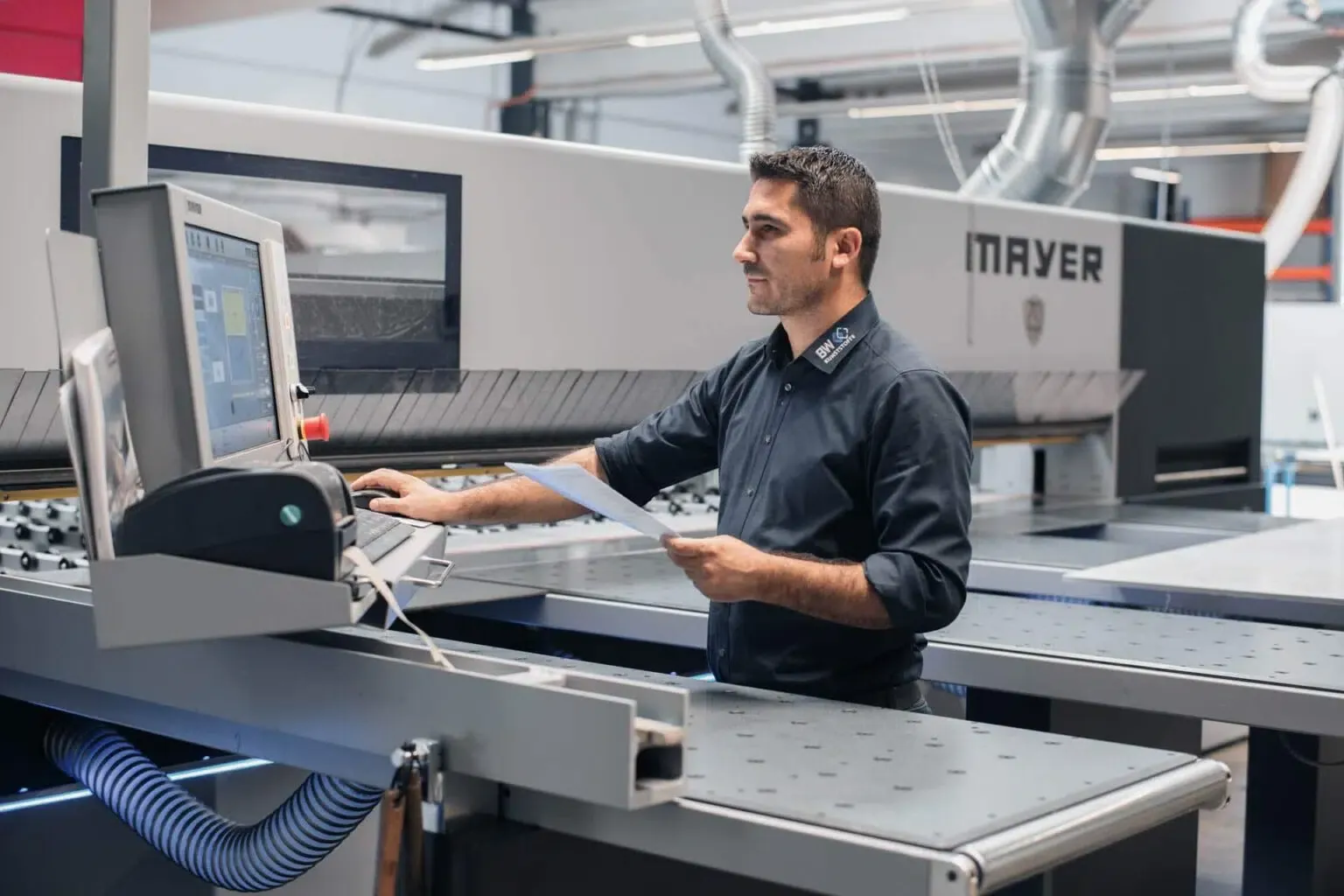
Our PA6 sheet cut to size offers you maximum flexibility. Whether small, precise parts or large-format cut pieces, we manufacture PA6 sheets to your specifications and guarantee the highest precision in the process. This saves time and costs in further processing and ensures optimum adaptation to your specific areas of application.
Our PA6 sheets are available in both extruded and cast form. Depending on the application, these different manufacturing processes offer specific advantages. Whether small components or large-format sheets – the PA6 sheet cut to size is always precisely fitting and perfectly matched to your requirements.
PA6 extruded vs. PA6 cast – Which variant suits your project?
Extruded PA6 sheets are ideally suited for smaller parts and series with high production volumes, as they exhibit better flowability and creep resistance. Cast PA6 sheets, by contrast, are optimal for larger components, as they impress with lower water absorption and better dimensional stability. Both variants can be easily processed in PA6 sheet cutting to size.
PA6 or PA66 – where are the differences?
PA6 and PA66 belong to the group of engineering polyamides and are frequently used in mechanical engineering, plant engineering and for wear-stressed components. Both materials offer high strength, good sliding properties and very good machinability. Nevertheless, there are some differences that should be taken into account when selecting the material.
| Property | PA6 | PA66 |
|---|---|---|
| Strength | High | Very high |
| Rigidity | High | Higher than PA6 |
| Wear resistance | Very good | Very good |
| Temperature resistance | Good | Higher |
| Impact strength | Very good | Good |
| Moisture absorption | Higher | Slightly lower |
| Machinability | Very good | Good to very good |
| Price | More favourable | Higher |
PA6 is characterised by particularly high toughness and good damping properties. The material is ideally suited for slide rails, guides, rollers, bearings or machine parts with high mechanical loads.
PA66 has higher hardness, rigidity and temperature resistance. As a result, PA66 is frequently used for components that are permanently exposed to higher temperatures or higher loads.
For many applications in general mechanical engineering, PA6 already offers a very good balance of strength, wear resistance and cost-effectiveness. PA66 is used above all when higher requirements are placed on rigidity and temperature resistance.
| Property | PA6 | PA66 |
|---|---|---|
| Impact strength | higher | slightly lower |
| Rigidity | good | higher |
| Machinability | very good | good |
| Price | more favourable | higher |
Difference between PA6 and other polyamides
PA6 is often compared with PA66, another popular polyamide. Here are the most important differences:
| Property | PA6 | PA66 |
|---|---|---|
| Mechanical strength | Good | Very good |
| Moisture absorption | Higher than PA66 | Lower than PA6 |
| Temperature resistance | Slightly lower | Higher |
| Cost | Slightly more favourable | More expensive |
Sustainability of PA6 plastic
The recyclability of PA6 also makes it interesting with regard to sustainability. Used PA6 products can be reprocessed and used for new applications. This reduces material consumption and environmental impact.
Modifications for specialised requirements
Depending on the requirement, PA6 sheets are available in various modifications. Glass-fibre-reinforced PA6 sheets offer higher rigidity and strength, while mineral-reinforced PA6 sheets score with increased wear resistance and lower weight. Sliding-modified PA6 sheets improve the sliding properties and reduce friction and wear, which considerably extends the possible applications.
PA6 sheets and moisture absorption
An important characteristic of PA6 sheets is their tendency to absorb moisture. This can influence dimensional stability and mechanical properties. Cast PA6 sheets have lower water absorption and are therefore particularly well suited for applications in damp or water-rich environments. The PA6 sheet cut to size in cast form thus offers an optimal solution when high dimensional stability is required.
The advantages of PA6 sheets compared with other plastics
Compared with other plastics, PA6 sheets offer a unique combination of high strength, impact strength and excellent wear resistance. They are easy to machine and can be easily further processed by milling, turning and drilling. Our PA6 sheet cut pieces enable the precise manufacture of components with high mechanical load capacity and long service life.
Furthermore, PA6 sheets are temperature-resistant and can also be used in demanding environments. Their chemical resistance to oils, greases and hydrocarbons makes them the ideal choice for the automotive industry, mechanical engineering and many other technical applications.
PA6 sheets – Powerful and versatile
Whether for mechanical engineering, the automotive industry or other technical applications: PA6 sheets offer an outstanding combination of strength, toughness and chemical resistance. These properties make them a first-class choice for replacing metal and for highly loaded components.
With our PA6 sheet cut to size we offer you tailor-made solutions that are perfectly matched to your requirements. Rely on the quality and versatility of our PA6 sheets and benefit from a material that functions reliably even under demanding conditions.
Properties
The material PA6 is a semi-crystalline thermoplastic that impresses with its balanced combination of strength, impact strength and chemical resistance. PA6 sheets have a high load capacity and good abrasion resistance, which makes them an ideal material for mechanically stressed components. The thermal stability enables the PA6 sheet and the PA 6 rod to retain their shape and function even at higher temperatures.
A distinctive feature of PA6 sheets is their ability to absorb vibrations and impacts. This property is particularly advantageous in applications where high mechanical stresses occur, such as gears, bearing housings or in conveyor technology. Furthermore, PA6 sheets have very good chemical resistance to oils, greases and many hydrocarbons, which further favours use in the automotive industry and mechanical engineering.
- Material designation: PA6 (polyamide 6, nylon)
- Manufacturing process: extrusion or casting
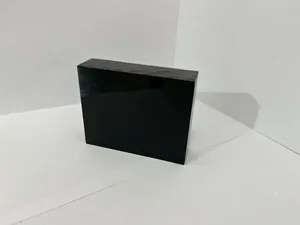
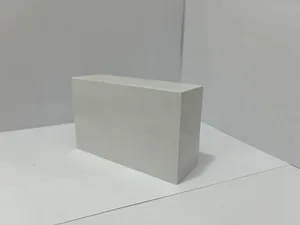
- Colour: natural (milky white), black, other colours on request
Mechanical properties:
- Tensile strength: 80 – 85 MPa
- Elongation at break: 20 – 50 %
- Flexural modulus: 2,800 MPa
- Notched impact strength (to ISO 179): 4 – 6 kJ/m²
- Hardness (Shore D): 75 – 85
- Wear resistance: Very good
Thermal properties:
- Maximum service temperature (continuous): 100 – 120 °C
- Short-term maximum temperature: up to 170 °C
- Glass transition temperature: approx. 60 °C
- Melting point: approx. 220 – 230 °C
- Heat deflection temperature (HDT): 170 °C (at 1.8 MPa)
Electrical properties:
- Surface resistance: > 10^13 Ω
- Volume resistance: > 10^12 Ω·cm
- Dielectric constant (at 1 MHz): 3.7 – 4.2
- Tracking resistance (CTI): 600 V
Chemical resistance:
- Resistant to: oils, greases, hydrocarbons, bases, fuels
- Not resistant to: acids, oxidising chemicals, alcohols, halogens
Physical properties:
- Density: 1.13 – 1.15 g/cm³
- Water absorption (at 23°C and 50% relative humidity): 2.5 – 3 %
- Moisture absorption (saturation at 23°C): approx. 8 – 9 %
Sliding and wear properties:
- Coefficient of friction (dry against steel): 0.3 – 0.4
- Sliding properties: Very good
- Wear resistance: Outstanding
Additional information:
- Modifications: Available in glass-fibre-reinforced, mineral-reinforced, sliding-modified and flame-retardant variants.
- Machinability: Very easy to machine (turning, milling, drilling)
- Tendency to absorb moisture: Influences dimensional stability and mechanical properties.
Applications
- Mechanical engineering and vehicle construction (e.g. gears, bearings, housings)
- Electrical engineering and electronics (e.g. insulating parts, plug housings)
- Sports articles and leisure equipment (e.g. ski boots, bicycle parts)
- Food industry and packaging (e.g. films, bags, hoses)
- Furniture industry and construction (e.g. fittings, hinges, dowels)
PA6 sheets in mechanical engineering
PA6 sheets are among the most frequently used engineering plastics in mechanical engineering. The material impresses with its high strength, good wear resistance and excellent sliding properties. This makes PA6 suitable for numerous moving and mechanically stressed components.
Typical applications are guides, slide rails, chain guides, rollers, bearing housings, spacers and machine cladding. Compared with metal components, users frequently benefit from lower weight, reduced noise development and simpler machining. PA6 can also be milled, turned and drilled very well, which means that individual components can also be manufactured economically.
PA6 sheets in the food industry
PA6 is used in the food industry for numerous technical applications in which robust and wear-resistant components are required. The material is used, for example, in conveyor systems, packaging machines, filling systems or sorting systems.
The high mechanical load capacity and the good sliding and wear properties are particularly valued. Depending on the version, food-safe grades are also available which are suitable for direct or indirect contact with food. Typical applications are guide rails, slide rails, wear plates and technical machine elements.
PA6 sheets in vehicle engineering
In vehicle engineering, PA6 sheets are used wherever high load capacity, low weight and good wear properties are required. The material is used for technical components for commercial vehicles, special-purpose vehicles, transport technology and industrial vehicle applications.
Thanks to their high impact strength and strength, PA6 sheets are suitable for covers, guides, spacer plates, sliding components and structural components. Compared with metallic materials, PA6 often offers advantages in terms of weight, corrosion resistance and machining effort. As a result, long-lasting and economical solutions can be realised for a wide variety of technical applications.
FAQ about PA6 sheets
What is PA6?
PA6 is an engineering plastic from the group of polyamides. The material is characterised by high strength, good wear properties and very good machinability.
What are PA6 sheets used for?
PA6 sheets are used, among other things, in mechanical engineering, plant engineering, jig and fixture construction and in conveyor technology. Typical applications are slide plates, guides, spacers or technical structural parts.
What is the difference between PA6 and PA66?
PA66 usually has higher temperature resistance and rigidity, while PA6 often offers better impact strength and machinability. The choice depends on the respective application.
Are PA6 cut pieces to size possible?
Yes, PA6 sheets can be individually cut to size and mechanically machined. This makes them suitable for many technical and industrial applications.
Is PA6 chemical-resistant?
PA6 exhibits good resistance to many oils, greases and fuels. However, resistance to strong acids or certain chemicals may be limited.