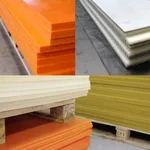
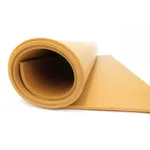
This image was created with artificial intelligence – marked under Art. 50 of the AI Act, Regulation (EU) 2024/1689. It is a placeholder until the company's photos arrive.
REACH, RoHS and PAH
What REACH, RoHS and PAH mean, what differences there are and why these regulations are so important for industry and products.
Introduction to the regulations
The European regulations REACH, RoHS and the rules on PAH are central pillars of environmental and consumer protection. They govern which substances may be contained in products, how manufacturers and importers must handle chemicals and which limit values must be complied with. For industry and consumers this means: more safety, transparency and sustainable products.
REACH – Registration, Evaluation, Authorisation and Restriction of Chemicals
The REACH Regulation (Registration, Evaluation, Authorisation and Restriction of Chemicals) has been in force in the EU since 2007. Its aim is to protect people and the environment from possible risks posed by chemicals. Manufacturers and importers are obliged to register substances, evaluate their properties and demonstrate safe conditions of use. Of particular importance are the so-called SVHC substances (Substances of Very High Concern), which are regarded as particularly concerning. Only those who comply with the requirements of REACH may place chemicals or products on the market in the EU.
RoHS – Restriction of Hazardous Substances in electronics
The RoHS Directive (Restriction of Hazardous Substances) relates specifically to electrical and electronic equipment. It prohibits or restricts the use of hazardous substances such as lead, cadmium, mercury or certain brominated flame retardants. The aim is to reduce the burden caused by electronic waste while at the same time protecting human health. Products that are RoHS-compliant usually bear the CE marking. It is important that exemptions are regularly reviewed and adjusted – many special provisions expire in 2026 or 2027, for example.
PAH – Polycyclic aromatic hydrocarbons
PAH (polycyclic aromatic hydrocarbons) are a group of substances that can occur naturally (e.g. in volcanic eruptions) as well as through human activities such as the incomplete combustion of coal or oil. Some PAH compounds are considered carcinogenic and harmful to health. Strict limit values therefore apply in industry, particularly for rubber and plastic products. Consumers benefit from these regulations, as they avoid direct contact with contaminated surfaces.
Comparison of REACH and RoHS
To clarify the differences between the two sets of regulations, the following table provides an overview of the most important aspects:
| Criterion | REACH Regulation | RoHS Directive |
|---|---|---|
| Scope | All chemicals and products in the EU | Electrical and electronic equipment |
| Focus | Registration, evaluation and restriction of substances | Prohibition of certain hazardous substances |
| Key substance groups | SVHC, carcinogenic or environmentally hazardous chemicals | Lead, cadmium, mercury, flame retardants |
| Aim | Protection of people and the environment | Reduction of environmental pollution caused by electronic waste |
Why REACH, RoHS and PAH regulations are important
These regulations provide more safety in everyday life, protect against hazardous substances and contribute to more environmentally friendly production. For companies they create clear framework conditions and ensure uniform standards within the EU. For consumers this means: less risk and more transparency.
In summary
The regulations REACH, RoHS and the requirements on PAH are essential building blocks of modern product safety. They regulate which substances may be used, create confidence in industrial products and promote the protection of people and the environment. Anyone who engages with these terms quickly recognises how closely health, sustainability and technology are interconnected.
FAQ
Which substances fall under REACH? REACH covers all chemical substances that are manufactured or imported in the EU. Hazardous chemicals such as carcinogenic or hormonally active substances are subject to particularly strict regulation.
Which materials are RoHS-compliant? Materials that do not contain prohibited substances above the specified limit values are RoHS-compliant, e.g. lead-free solders or cadmium-free plastics.
What does PAH-free mean? A product is considered PAH-free if it complies with the statutory limit values for polycyclic aromatic hydrocarbons and does not contain health-endangering quantities of these substances.
What happens in the event of non-compliance? Anyone who breaches the requirements may not place products on the market and risks legal consequences such as sales bans or recalls.
Our rubber sheets
For industry and trade we offer a wide variety of rubber sheets.
SBR rubber sheet
Our high-quality SBR rubber sheet (styrene-butadiene rubber) is the solution for numerous industrial and commercial applications. This rubber sheet is made from first-class styrene-butadiene rubber and stands out thanks to its excellent physical properties.
EPDM rubber sheet
Discover the versatility and reliability of our EPDM rubber sheet, which is made from ethylene propylene diene monomer (EPDM). This high-quality elastomer solution has been specially developed to meet the most demanding industrial and commercial applications.
NBR rubber sheet
The NBR rubber sheet is a high-quality industrial product that has been specially developed for applications requiring excellent resistance to oils, greases and various chemicals.
Viton rubber sheet
The Viton rubber sheet is a high-quality technical product that is used for a wide range of industrial applications. Made from fluoro rubber (FKM), it offers outstanding properties that make it the ideal choice for extreme conditions.
FKM rubber sheet
The FKM rubber sheet is a high-quality technical product that is ideal for use in demanding industrial applications. Made from fluoro rubber (FKM), it stands out thanks to a wide range of outstanding properties that make it the optimum choice for extreme operating conditions.
Silicone rubber sheet
The silicone rubber sheet is a first-class technical product that has been specially developed for applications placing high demands on temperature resistance and flexibility.
PUR rubber sheet
The PUR rubber sheet, made from high-quality polyurethane, is a technically advanced product that has been developed for applications placing the highest demands on abrasion resistance and mechanical load-bearing capacity.
Neoprene rubber sheet
The Neoprene rubber sheet, made from high-quality chloroprene rubber (CR), is a versatile technical product that is ideal for a wide range of industrial and commercial applications.