Plastic sheets (plastic sheets): materials, properties and applications
A plastic sheet offers numerous advantages that make it attractive for a wide range of applications. Depending on the material, they are weather-resistant, UV-resistant, heat-resistant and food-safe.
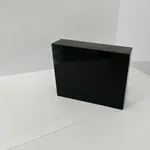
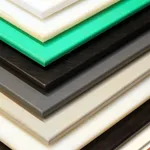
Plastic sheets are flat plastic materials available in various thicknesses, colours and finishes. They are made from a wide range of plastics, including PVC, PLEXIGLAS® (acrylic glass), polycarbonate, HPL (High Pressure Laminate), Alu-Dibond® and polyethylene (HDPE).
Plastic sheets are also frequently referred to as plastic sheets. They are used in mechanical engineering, in the food industry, in signage technology and in plant construction. Depending on the requirement, PVC, PE, PP, POM-C or acrylic glass sheets are suitable.
Thanks to their versatile properties, plastic sheets can be found in almost all industries – from construction projects and signage technology through to furniture manufacturing.
Properties of plastic sheets
A plastic sheet offers numerous advantages that make it attractive for a wide variety of applications.
Depending on the material, they are weather-resistant, UV-resistant, heat-resistant and food-safe. Thanks to their low density, they are also lightweight, which makes processing easier. Their high resistance to chemical influences, scratches and moisture makes them ideal for indoor and outdoor use.
What types of plastic sheets are there?
The term plastic sheets covers numerous different plastic sheets. The choice of the right material depends on the requirements for load-bearing capacity, temperature resistance, chemical resistance and food safety.
PVC sheets are among the most commonly used plastic sheets in plant construction, mechanical engineering and signage technology. They impress with their good machinability and an attractive price-performance ratio.
PE sheets (polyethylene) are particularly impact-resistant, insensitive to moisture and available in food-safe versions. They are frequently used in the food industry, conveyor technology and packaging industry.
PP sheets (polypropylene) are characterised by high chemical resistance and low weight. Typical applications are found in container construction, apparatus engineering and water technology.
POM-C sheets are used wherever high dimensional accuracy, good sliding properties and low friction are required. The material is frequently used for technical components, guides and wear parts.
Acrylic glass sheets and polycarbonate sheets are used primarily for transparent applications. While acrylic glass impresses with its high light transmission, polycarbonate offers particularly high impact resistance.
Depending on the area of application, both simple plastic sheets for general applications and technical high-performance plastics for demanding industrial tasks are therefore available.
Key features at a glance:
- Durability: Plastic sheets are resistant to environmental influences.
- Low weight: Compared with glass or metal, plastic sheets are lighter and easier to install.
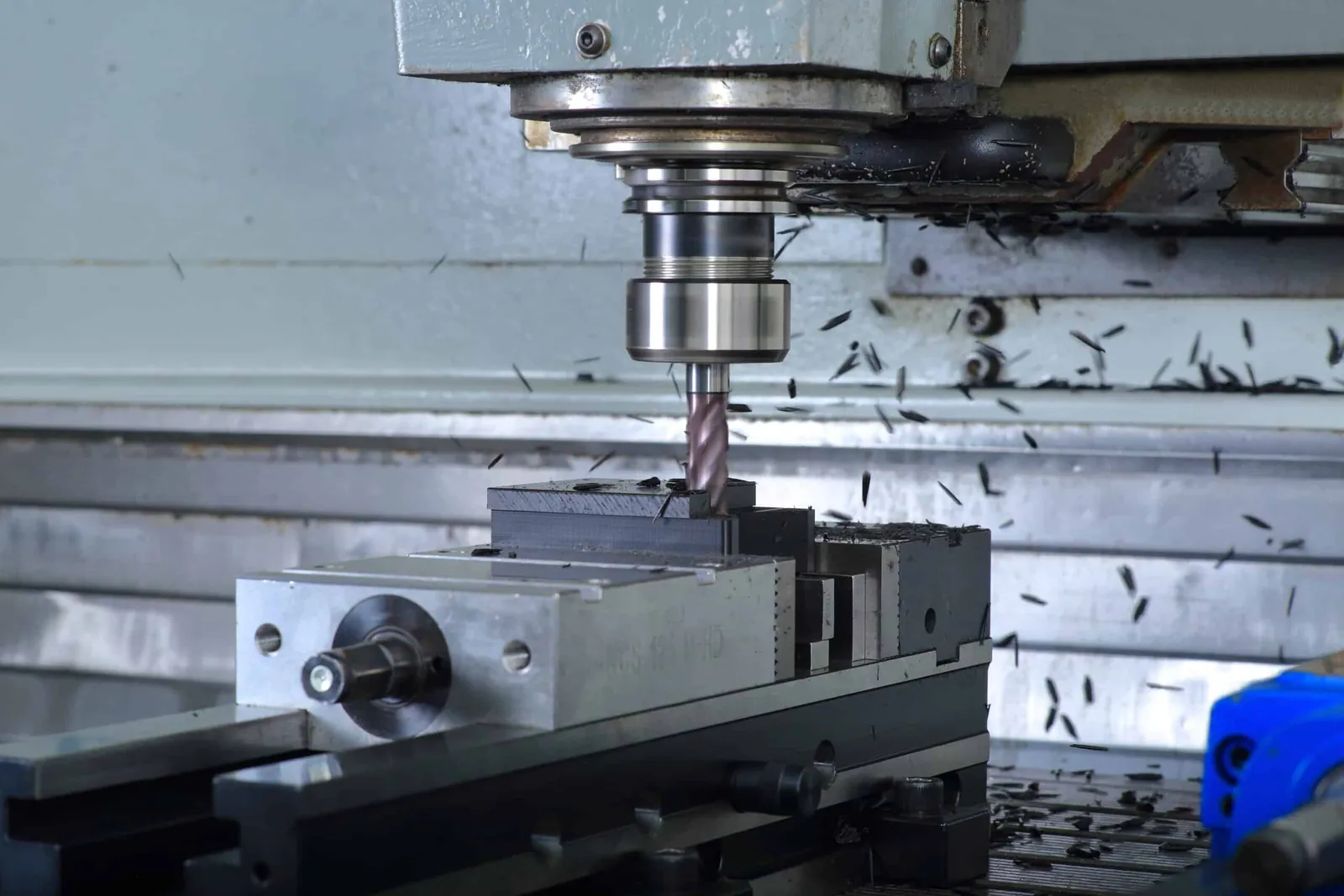
- Easy processing: They can be sawn, drilled, milled or even bent.
- Versatile designs: Plastic sheets are available in transparent, coloured or textured versions.
Areas of application for plastic sheets
Plastic sheets are used in many industries and application areas. In construction, they are used as wall cladding, roof sheets or protective glazing. In signage technology, they serve as the basis for signs, displays and illuminated advertising.
They are also popular in furniture making, as they are lightweight yet stable. They are particularly impressive outdoors thanks to their weather resistance and durability.
Another major area of application is mechanical engineering and industry, where engineering plastics are used as wear parts or protective covers. Thanks to their robust properties, they are also used for protective screens or machine cladding.
Hard plastic sheets for industry and technology
Hard plastic sheets are used wherever high stability, dimensional stability and load-bearing capacity are required. Compared with softer plastics, they offer higher compressive strength and are suitable for technical applications in mechanical engineering, plant construction and in the food industry.
The best-known hard plastic sheets include PVC hard sheets, POM-C sheets, PE500 sheets, PE1000 sheets and HPL sheets. These materials impress with their robust surface, good mechanical properties and long service life.
PVC hard sheets are frequently used for cladding, containers and technical constructions. POM-C is particularly suitable for precise components with high requirements for dimensional accuracy and wear resistance. PE500 and PE1000 are used primarily in sliding and wear applications, while HPL sheets impress with their high surface hardness and weather resistance.
The choice of the right hard plastic sheet depends on the respective requirements for load, temperature, moisture and chemical resistance.
| Material | Area of application | Food-safe |
|---|---|---|
| PE500 | Mechanical engineering | Yes |
| PE1000 | Food industry | Yes |
| PP | Container construction | Yes |
| PVC Hard | Plant construction | Conditionally |
| POM-C | Precision parts | Yes |
Different variants of plastic sheets
Depending on the intended use, there are various plastics available as plastic sheets. Acrylic glass (PLEXIGLAS®) is particularly suitable for light-transmitting applications, while polycarbonate sheets offer high impact resistance.
HPL sheets (Trespa®) are characterised by their scratch resistance and are ideal for furniture and façade construction. PVC sheets are cost-effective and easy to process, which is why they are often used in exhibition stand construction or for advertising signs.
| Plastic sheet | Description | Link |
|---|---|---|
| HDPE sheets (PE 300) | High-density polyethylene sheets, known for their chemical resistance and high impact resistance. | HDPE sheets (PE 300) |
| ABS sheets | Acrylonitrile butadiene styrene sheets, valued for their robustness and ease of further processing. | ABS sheets |
| PVC sheets | Polyvinyl chloride sheets, versatile with excellent chemical resistance and UV stability. | PVC sheets |
| PP sheets | Polypropylene sheets, impress with chemical resistance and high dimensional stability, ideal for plant construction. | PP sheets |
| PVC rigid foam sheets | Lightweight sheets, around 50% lighter than conventional PVC sheets, ideal for applications where weight matters. | PVC rigid foam sheets |
| PTFE sheets | Polytetrafluoroethylene sheets, known for their outstanding chemical resistance and sliding ability. | PTFE sheets |
| PA 6 sheets | Polyamide 6 sheets, offer high strength and toughness, suitable for mechanically stressed parts. | PA 6 sheets |
This selection provides an overview of the available plastic sheets and their specific properties. For further information, please visit the respective product page.
Custom-made sizes and colour selection
Plastic sheets are available in many thicknesses – from 1 mm up to 30 mm. Depending on requirements, they can be cut to size so that they can be processed further directly. They are also available in a broad colour palette, from classic white, black or grey through to vibrant colours such as red, green or blue. Transparent or satin-finished versions are also available.
Processing of plastic sheets
The processing of a plastic sheet depends on its material. Acrylic glass, for example, can be sawn and polished well, while HPL must be cut with special tools. Most plastic sheets can also be easily glued or fastened with screws. When installing outdoors, care must be taken that certain plastics can expand under heat.
Conclusion
Plastic sheets are a versatile and durable solution for a wide variety of applications. Their robustness, ease of processing and weather resistance make them a popular choice for construction projects, signage technology, furniture making and industrial applications. Thanks to the large selection of materials, colours and thicknesses, they can be cut precisely to individual requirements.