Plastic solutions for mechanical engineering: the best materials and applications
Find out which plastics are suitable for mechanical engineering. Advantages, properties & applications – discover the best materials!
Extruded plastic profiles – Efficient custom manufacturing
Plastics have established themselves in mechanical engineering as a high-performance alternative to metals. They offer numerous advantages such as low weight, corrosion resistance and high wear resistance. In this article you will learn which plastics are particularly suitable for mechanical engineering and in which applications they are used.
Important plastics for mechanical engineering
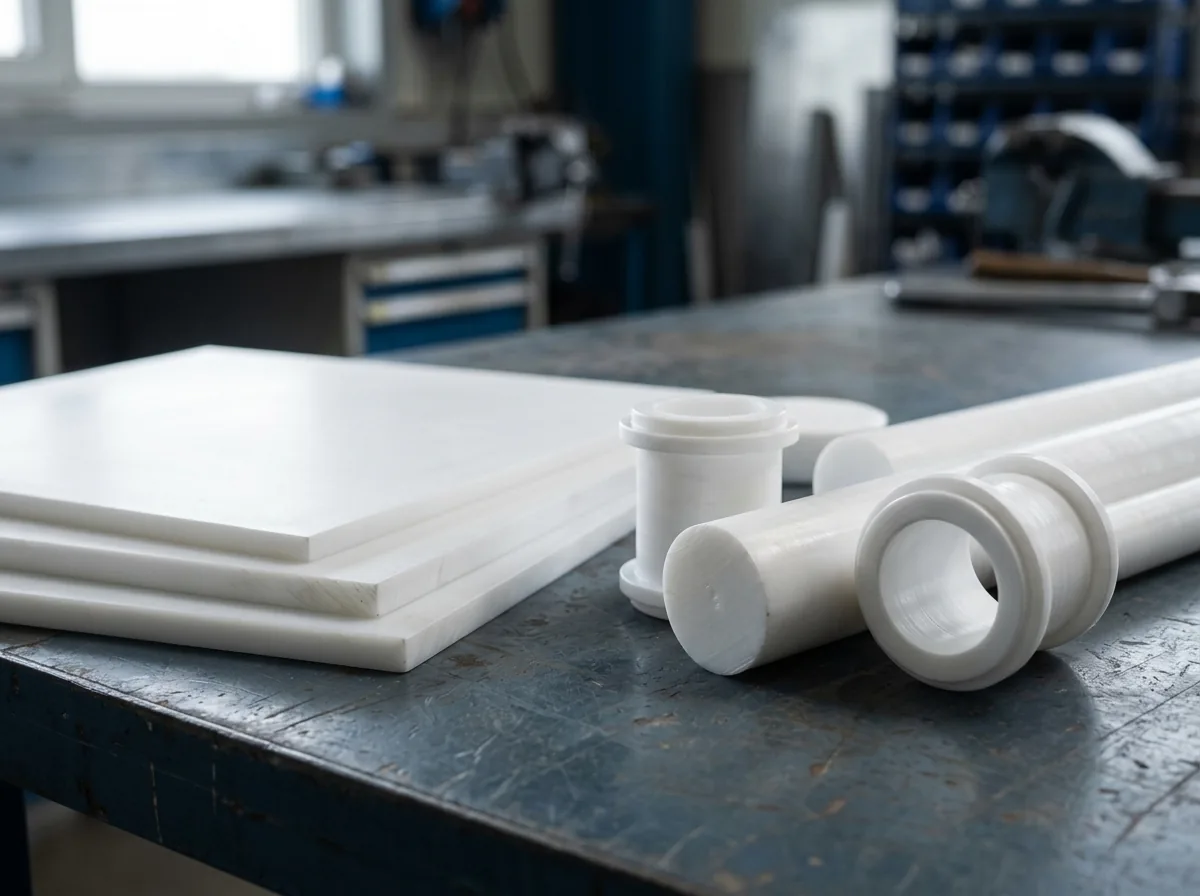
Both standard plastics and high-performance plastics are used in mechanical engineering. While standard plastics such as PVC or POM are sufficient in many applications, high-performance plastics such as PEEK or PTFE offer special properties for extreme requirements.
Properties and advantages of the most important plastics
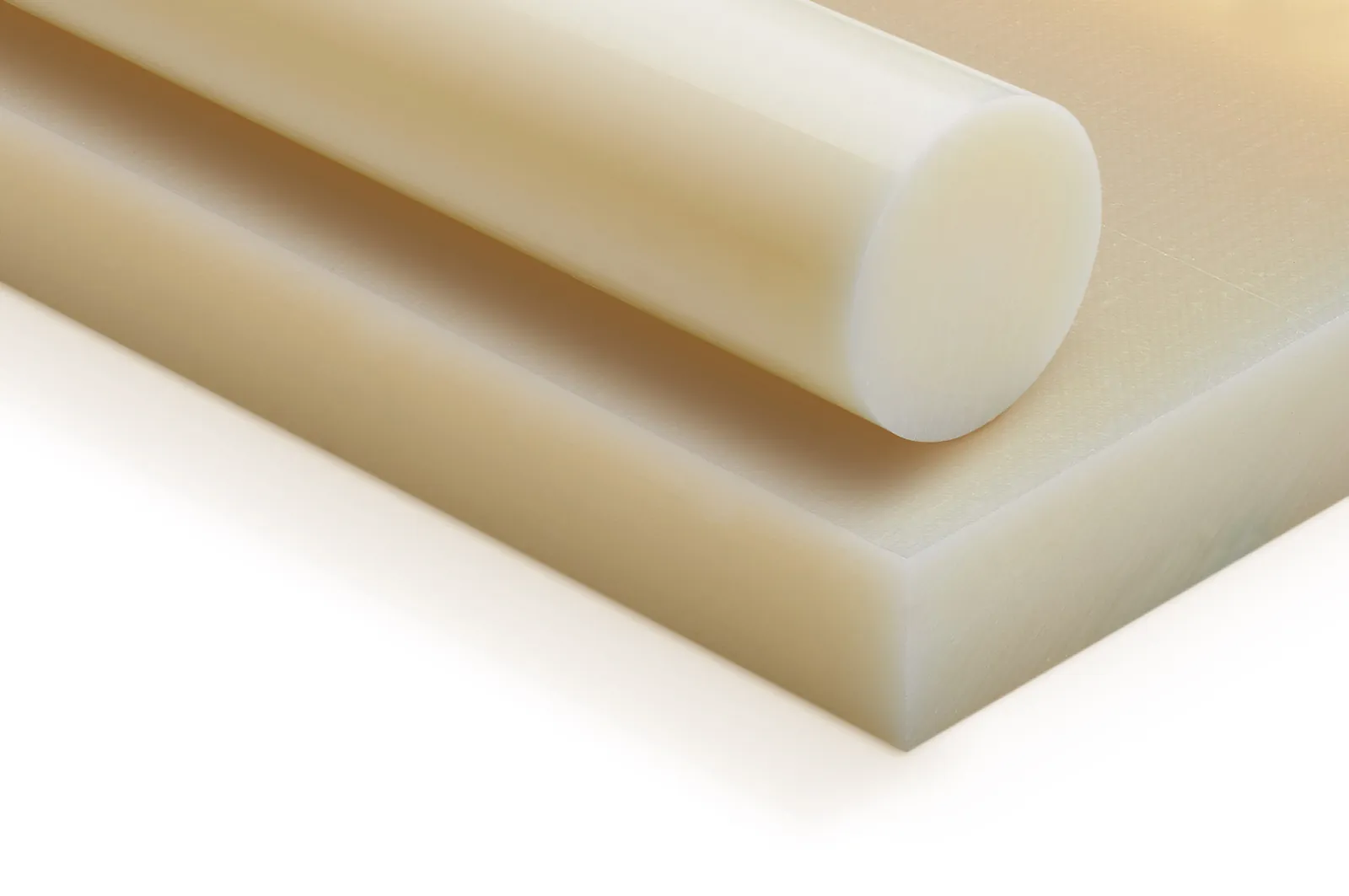
PA (polyamide)
- High strength and toughness
- Good wear resistance and abrasion resistance
- Resistant to oils and greases
PEEK (polyetheretherketone)
- Excellent heat resistance up to 250 °C
- High chemical resistance
- Very good mechanical properties even at high temperatures
POM (polyoxymethylene)
- Low coefficient of friction, ideal for plain bearings
- High mechanical strength
- Very good dimensional stability
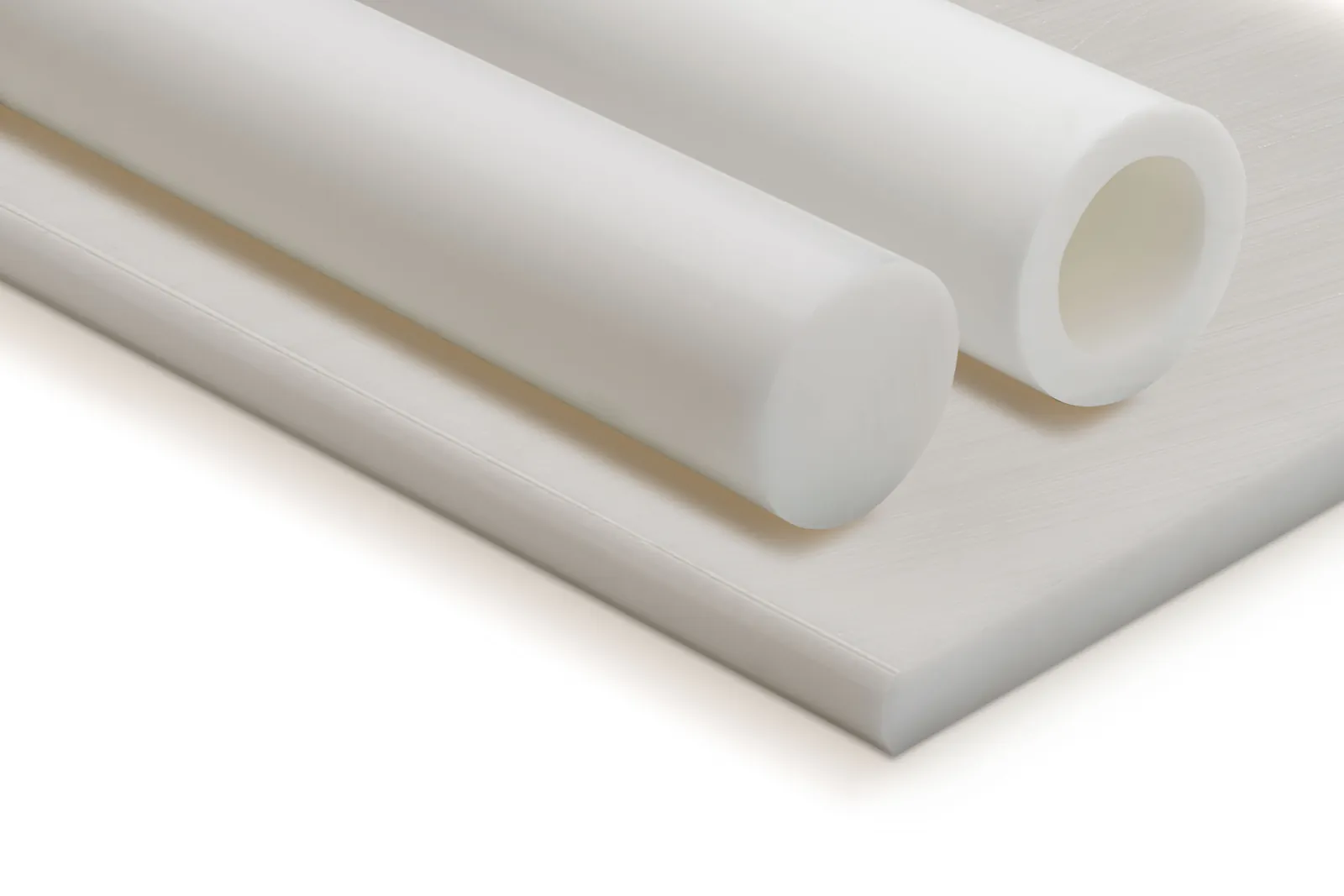
PTFE (polytetrafluoroethylene)
- Excellent chemical resistance
- Very low coefficient of friction
- High temperature resistance up to 260 °C
PVC (polyvinyl chloride)
- Good weather resistance
- High electrical insulation properties
- Cost-effective alternative for less demanding applications
Application areas of plastics in mechanical engineering
- Bearings and sliding guides: Low-friction plastics such as POM and PTFE ensure maintenance-free operation.
- Gears and sprockets: Polyamide offers high strength and reduces wear.
- Seals and insulators: PEEK and PTFE are eminently suitable for heat- and chemical-resistant seals.
- Housings and covers: PVC and other engineering plastics provide protection and electrical insulation.
Comparison: plastics vs. metal in mechanical engineering
| Property | Plastics | Metals |
|---|---|---|
| Weight | Very light | Heavy |
| Corrosion resistance | High | Often low |
| Friction properties | Very good (PTFE) | Frequently poorer |
| Costs | Often cheaper | Frequently more expensive |
| Machinability | Easy to form | Often complex |
Selection criteria for the right plastic
The choice of the right plastic depends on several factors:
- Mechanical load capacity: PA and PEEK offer high strength.
- Temperature and chemical resistance: PEEK and PTFE are the leaders here.
- Cost-effectiveness: POM and PVC are cost-effective alternatives for less demanding applications.
Conclusion
Plastics offer a wide range of advantages over metal, particularly in mechanical engineering. The right choice of material can increase efficiency, reduce maintenance costs and extend the service life of mechanical engineering components. Anyone who pays attention to the right properties can realise innovative solutions with plastics.