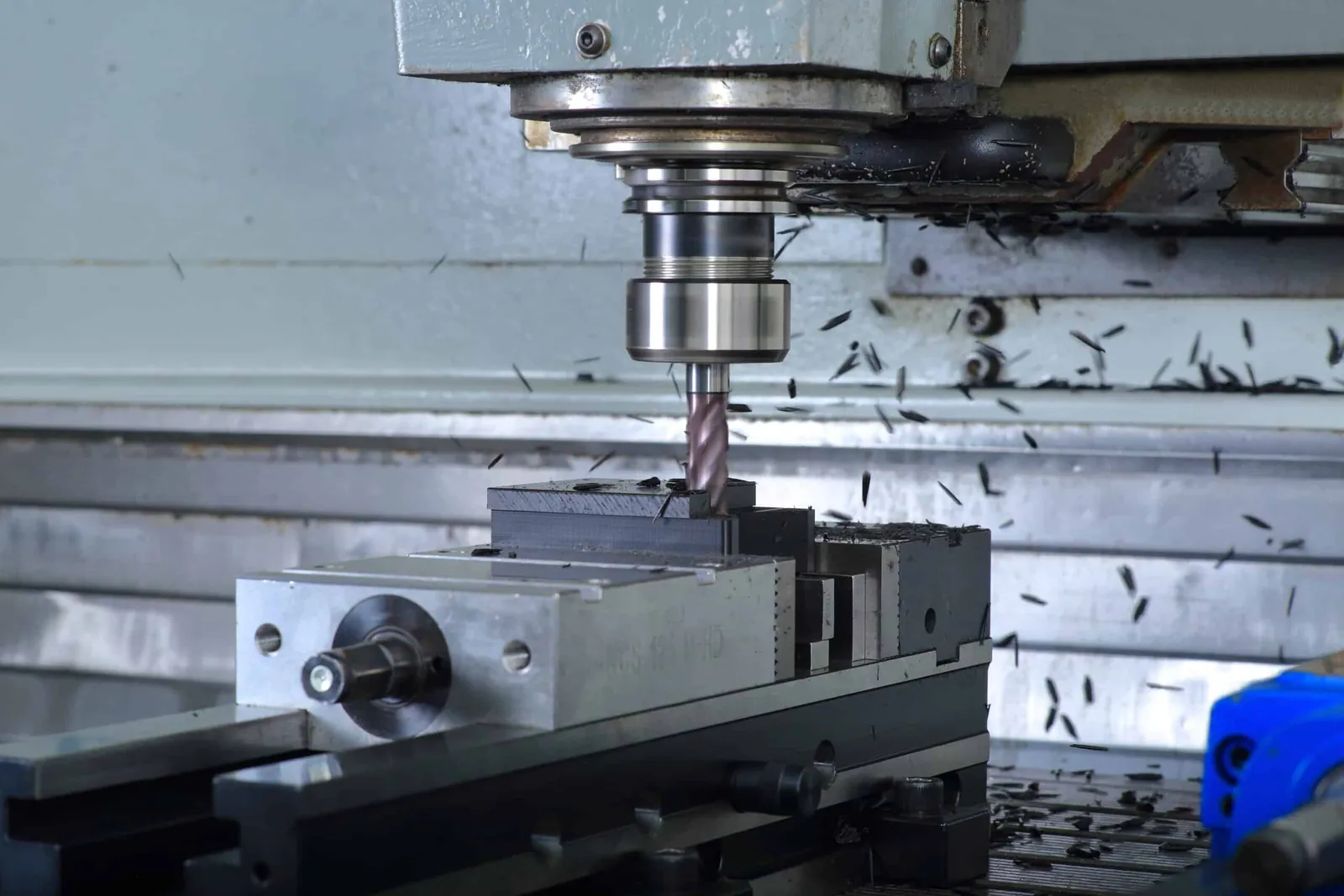
This image was created with artificial intelligence – marked under Art. 50 of the AI Act, Regulation (EU) 2024/1689. It is a placeholder until the company's photos arrive.
Kitchen splashback sheet made of plastic – materials, advantages and comparison
With a kitchen splashback sheet made of plastic or acrylic glass, you will be ideally equipped for the future. Read more here.
A kitchen splashback sheet protects the wall behind the hob and worktop from moisture, grease splashes and dirt. A plastic kitchen splashback is particularly popular today, as it is easy to care for, durable and available in numerous colours and decors.
Depending on requirements, different materials are suitable. An HPL kitchen splashback impresses with its high resistance to scratches, moisture and heat. An acrylic glass kitchen splashback, on the other hand, offers a modern high-gloss look and creates a particularly elegant effect in the kitchen. Other variants as a plastic kitchen splashback can also represent a practical alternative to tiles.
Anyone looking for a kitchen splashback sheet should know the differences between HPL, acrylic glass and other plastic sheets. The choice of material influences both the appearance and the service life and the maintenance effort of the kitchen splashback.
Which plastic sheet is suitable as a kitchen splashback?
Various plastic sheets are suitable for a kitchen splashback. Which solution is best suited depends on the requirements for appearance, maintenance effort, heat resistance and budget.
HPL sheets, acrylic glass sheets, PVC sheets and aluminium composite sheets are particularly frequently used. All materials offer a smooth surface, are easy to clean and are considerably easier to care for than classic tile joints.
HPL sheets are considered particularly robust. They are scratch-resistant, resistant to moisture and are excellently suited to heavily used kitchen areas. Acrylic glass impresses with its brilliant surface and modern look. PVC sheets offer a cost-effective solution for renovations or rented flats. Aluminium composite sheets combine a high-quality appearance with high dimensional stability and good heat resistance.
Anyone looking for a durable and easy-care kitchen splashback will find a large selection of materials, colours and decors for almost every kitchen style among plastic sheets.
Materials for kitchen splashback sheets
The choice of material plays an important role in the functionality and appearance of the kitchen splashback sheet. Plastics such as acrylic sheets or HPL sheets (High Pressure Laminate) are particularly popular options, as they are versatile, durable and easy to care for.
Below is a comparison of the most important materials:
| Material | Properties | Advantages | Disadvantages |
|---|---|---|---|
| Glass | Modern, can be individually printed, hygienic | Easy to clean, stylish | Susceptible to scratches, higher costs |
| Stainless steel | Timeless, heat-resistant, robust | Durable, professional look | Visible fingerprints, more elaborate care |
| Acrylic | Light, elegant-looking, inexpensive | Easy to process, scratch-resistant | Not heat-resistant |
| HPL | Hard-wearing, moisture-resistant | Versatile, large colour selection | Not as elegant as glass |
| Ceramic | Natural, scratch- and heat-resistant | Durable, easy to care for | High price |
| Plastic sheets | Cost-effective, easy to care for | Flexible to use, insensitive | Less luxurious look |
In the following table you will find all the advantages and disadvantages of plastic compared with other materials:
| Property | Plastic | Glass | Tiles | Stainless steel | Laminate |
|---|---|---|---|---|---|
| Costs | + + | - - | - - | + | + + |
| Service life | + + | + + | + | + + | - |
| Ease of installation | + + | - - | - - | + | + + |
| Speed | + + | - - | - - | + + | + + |
| Heat resistance | - | + | + | + + | - - |
Comparison of the materials
A clear comparison of materials such as acrylic glass, aluminium composite sheets and HPL shows which material is suitable for certain kitchen styles or conditions of use.
While acrylic glass with its glossy surface is particularly popular in modern kitchens, HPL impresses with its robustness in damp environments. Aluminium composite sheets, on the other hand, are ideal for open kitchens, as they are light yet resistant.
| Material | Advantages | Disadvantages |
|---|---|---|
| Acrylic glass | Glossy surface, modern design | Less robust, not heat-resistant |
| Aluminium composite | Light, resistant, versatile | Limited design options |
| HPL | Robust, moisture-resistant | Not as elegant as glass |
Google image search - plastic kitchen splashback
Use cases and examples
Different kitchen types require specific splashback solutions. For small kitchens, light and reflective surfaces are suitable, as they visually enlarge the room.
Open-plan kitchens benefit from accents that pick up on the design of the living area, while country-style kitchens can be enhanced by matt wood looks or subtle patterns.
Before-and-after images illustrate how a suitable splashback can change the character of a room.
| Material | Care | Heat resistance | Price |
|---|---|---|---|
| HPL | very good | high | medium |
| Acrylic glass | good | medium | medium |
| PVC | good | medium | inexpensive |
| Aluminium composite | very good | high | medium |
Advice on colour and design choice
Choosing the right colour and the right design is crucial for the harmonious overall appearance of your kitchen.
Colours such as white or anthracite can be combined excellently with various worktops and floors. For classic kitchens, natural wood and stone looks are suitable, while minimalist designs can be underlined by plain and monochrome tones. Patterns and photo prints set individual accents.
Long-term quality and guarantee
The durability of materials varies depending on quality and use. Plastic sheets offer a long service life, particularly with proper care.
Many manufacturers grant guarantees ranging from two to ten years. Light-coloured kitchen splashbacks should be UV-resistant in order to avoid colour changes caused by sunlight, especially in sun-drenched rooms.
Environmental friendliness
Sustainability is also playing an increasingly important role for kitchen splashbacks. Materials such as HPL and acrylic can be recycled, and many manufacturers pay attention to environmentally friendly production.
Pollutant-free materials are not only environmentally friendly but also harmless to health, which makes them ideal for family kitchens. In addition, some manufacturers offer CO2-neutral production processes or take-back programmes for old splashbacks, which further minimises the environmental impact.
Care and cleaning tips
Regular care and cleaning are enormously important for a flawless appearance of your kitchen splashback sheet.
Plastic sheets can be cleaned quickly with a soft cloth and mild cleaning agents. Stubborn dirt such as grease or limescale should be removed immediately in order to avoid damage.
Special care products that leave an additional protective film are suitable for glossy surfaces. For matt or textured surfaces, gentle brushes can be used to remove deeper dirt without damaging the surface.
How to clean the various
plastics
:
cleaning PVC
,
cleaning HDPE sheets
,
cleaning blind plastic discs
DIY tips
Even the installation of a kitchen splashback sheet is easily possible with the right preparation. Important tools include:
- A craft knife or a fine-toothed saw for exact cut pieces.
- Assembly adhesive or double-sided adhesive tape for easy attachment.
- A spirit level to ensure that the splashback is attached straight.
Steps for self-installation:
- Clean the wall surface thoroughly to ensure optimum adhesion.
- Measure the required dimensions precisely and cut the sheet accordingly.
- Apply the assembly adhesive evenly to the back of the sheet.
- Press the sheet carefully against the wall and align it with the spirit level.
- Allow the adhesive to dry completely before fitting the edges with end profiles.
Common problems such as unclean cuts can be avoided by using high-quality tools. If in doubt, it is advisable to practise on a test piece beforehand.
Frequently asked questions (FAQ)
How do I choose the right splashback for old-building kitchens with uneven walls?
Flexible materials such as HPL or plastic are particularly suitable, as they can easily adapt to uneven surfaces. Additional silicone seals can help to close gaps.
Which materials are best suited to heavily used family kitchens?
Plastic and HPL sheets offer high resistance to impacts, stains and scratches, which makes them ideal for family kitchens.
How do I care for splashbacks with a textured surface?
Use a soft brush or a microfibre cloth to remove dirt from recesses. Avoid aggressive cleaning agents.
Is a kitchen splashback heat-resistant enough for gas hobs?
Make sure that the splashback is made of heat-resistant material and maintains a minimum distance of 10 cm from the heat source.
Can I apply photo prints to an existing splashback?
Yes, special adhesive films with photo prints can be applied directly to existing splashbacks, as long as the surface is clean and dry.
Accessories and additional services
Supplementary accessories such as end profiles, protective films or silicone seals round off the installation of your kitchen splashback sheet.
For a perfect result, many manufacturers also offer professional installation and cut-to-size services. DIY enthusiasts benefit from clear instructions and prefabricated sets that contain all the required materials.
Tips on choosing the right tools, such as using a craft knife or a fine-toothed saw, help to avoid common installation problems. Professional services also include on-site measuring to ensure exact adjustments.
Price overview and budget planning
The costs for kitchen splashback sheets depend heavily on material, size and design.
Plastic sheets offer excellent value for money and are often between 30 and 100 euros per square metre. For budget-conscious buyers there are simple designs, while elaborate photo prints or custom-made items are correspondingly more expensive.
Safety instructions and disclaimer
Special safety measures must be observed when installing kitchen splashback sheets near heat sources such as gas hobs. Materials should be heat-resistant and have a corresponding fire protection classification. Make sure that the splashback is firmly mounted in order to avoid accidents. For gas hobs, a minimum distance of 10 cm between the splashback and the hob is recommended in order to ensure safe use. Do not use plastic sheets near a gas hob!
Market overview
An overview of leading manufacturers helps with orientation:
Providers such as AluSplash, Resopal or Plexiglas offer high-quality kitchen splashback sheets in the widest variety of designs, surfaces and materials.
Whether you prefer a plain, modern kitchen splashback sheet in high gloss or a decorative splashback with individual photo prints, the selection is almost limitless. These high-quality kitchen splashback sheets combine functionality and aesthetics and are available in numerous sizes, so that they can be integrated perfectly into any kitchen.
Thanks to their versatility, kitchen splashback sheets are also suitable for special requirements such as damp environments or kitchens with intensive use.
In summary
The right kitchen splashback sheet combines protection, style and functionality in your kitchen. Use the variety of modern plastics to find a durable and easy-care solution that perfectly matches your taste.
Cutting kitchen splashback to size:
In addition, we offer tailor-made solutions to ensure a precisely fitting installation. Please feel free to contact us about this.