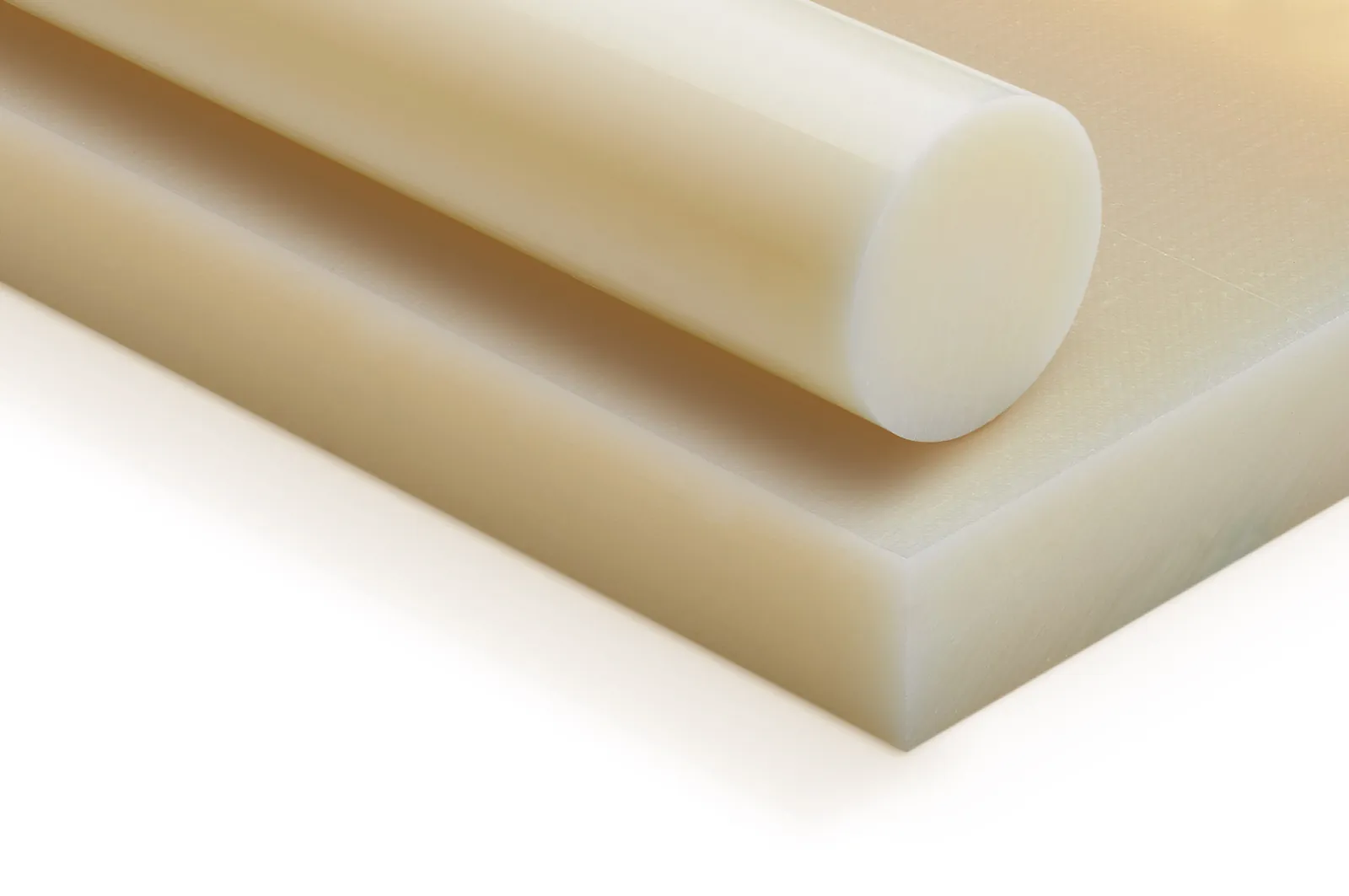
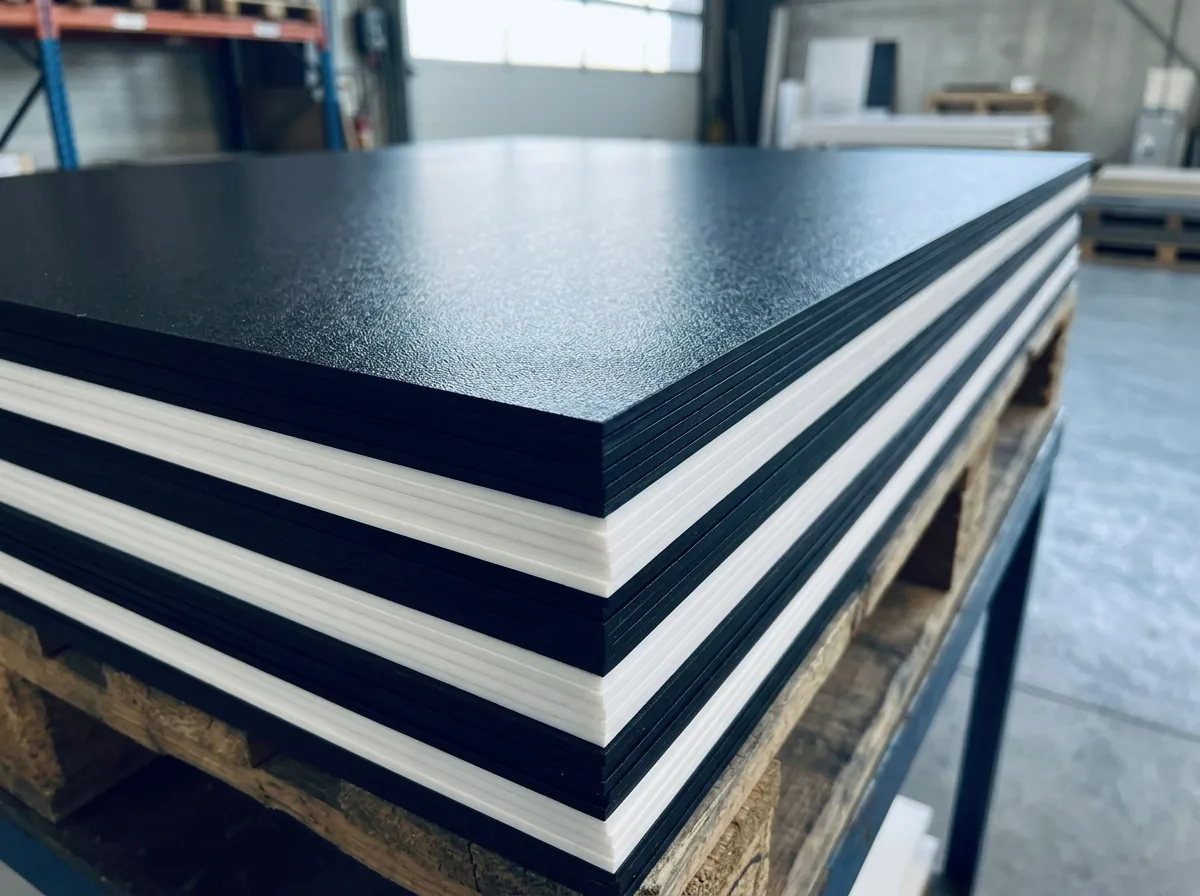
 This image was created with artificial intelligence – marked under Art. 50 of the AI Act, Regulation (EU) 2024/1689. It is a placeholder until the company's photos arrive.
3D printing with engineering plastics: opportunities, materials and applications
3D printing with engineering plastics enables high-strength components for industry, mechanical engineering and medical technology. Find out more about materials, benefits and applications.
3D printing has developed over recent years from a purely prototyping tool into a versatile industrial manufacturing technology. Particularly in the field of engineering plastics, new opportunities are opening up: they enable the production of high-load-bearing functional parts, individual small series and spare parts directly from the digital model.
Whether mechanical engineering, automotive engineering or medical technology – 3D printing with engineering plastics creates flexibility, reduces costs in development and offers short lead times. Thanks to their specific properties, these high-performance plastics are suitable for applications where conventional materials reach their limits.
What are engineering plastics in 3D printing?
Engineering plastics are characterised by high mechanical strength, temperature and chemical resistance as well as good dimensional stability. They belong to the class of high-performance plastics and are significantly more robust than typical 3D printing materials such as PLA or ABS.
Their resistance to heat, friction, media or UV radiation makes them ideal for durable applications in industry. In contrast to standard plastics such as PLA or ABS, they offer durable performance in demanding environments and thus extend the limits of additive manufacturing. The common engineering plastics for 3D printing include, among others:
- PA6 (nylon)
- PC (polycarbonate)
- PEEK (polyetheretherketone)
- POM (polyoxymethylene)
- PETG (polyethylene terephthalate glycol)
- TPU (thermoplastic polyurethane)
These materials are usually available as filament (FDM), powder (SLS) or granules (for industrial printing systems).
Advantages of 3D printing with engineering plastics
High mechanical load capacity
Many engineering plastics are stronger and tougher than standard plastics. They are suitable for functional parts, bearings, gears or fastenings.
Temperature and chemical resistance
Plastics such as PEEK or PC withstand high temperatures and aggressive media and are therefore also in demand in the automotive or chemical industry.
Design freedom & individualisation
Complex geometries, internal channels or bionic structures can be realised efficiently with 3D printing, without mould making or tools.
Fast availability of spare parts
With CAD data, components can be reproduced as needed in a short time, e.g. for machine downtimes or series changes.
Typical areas of application
Mechanical engineering
Functional prototypes, brackets, bearing housings, spacers or complex air ducts can be printed stably and durably with engineering plastics.
Automotive industry
Tool inserts, assembly aids, cable holders or interior parts for pre-series production are often manufactured using the FDM or SLS process from PA6, PC or PEEK.
Medical technology
Thanks to the biocompatibility of some materials such as PEEK or PPSU, patient-specific components, prostheses or surgical aids can be realised.
Aerospace
Weight-optimised components made of engineering plastics replace metal parts. High stiffness, temperature resistance and low emissions are important here.
Challenges in 3D printing of engineering plastics
- Material handling: Many engineering plastics are hygroscopic and must be dried before printing.
- Warping tendency: High shrinkage requires a heated print bed and, if necessary, a closed build chamber.
- Adhesion and layer adhesion: The adhesion between the layers is more critical with engineering plastics than with PLA or PETG.
- Machine requirements: For high-performance plastics such as PEEK, specialised printers with high extrusion temperature are necessary.
Conclusion
3D printing with engineering plastics offers industry enormous advantages: from rapid product development through individual manufacturing to functional components for extreme operating conditions. Anyone who selects suitable materials and understands the interaction of printing parameters and component design opens up a new dimension of manufacturing technology. It is worth looking beyond the pure material price: the combination of precision, repeat accuracy and function opens up new perspectives – especially when conventional manufacturing processes reach their economic or technical limits.
FAQ
Which engineering plastics can be 3D printed particularly well? Polycarbonate, PA6, PETG and TPU are considered easy to print. PEEK requires special technology but offers the best properties.
Are engineering plastics more expensive than standard materials? Yes, high-performance plastics such as PEEK or PPSU in particular are significantly more expensive, but offer high added value in demanding applications.
Can I also use engineering plastics in home 3D printing? Some materials such as PETG or nylon can be processed with semi-professional FDM printers. High-performance plastics such as PEEK require industrial systems.
Which processes are suitable for printing? FDM (filament), SLS (powder) and MJF (Multi Jet Fusion) are common processes for engineering plastics.