Elastomers & rubber
EPDM sheet – cut to size
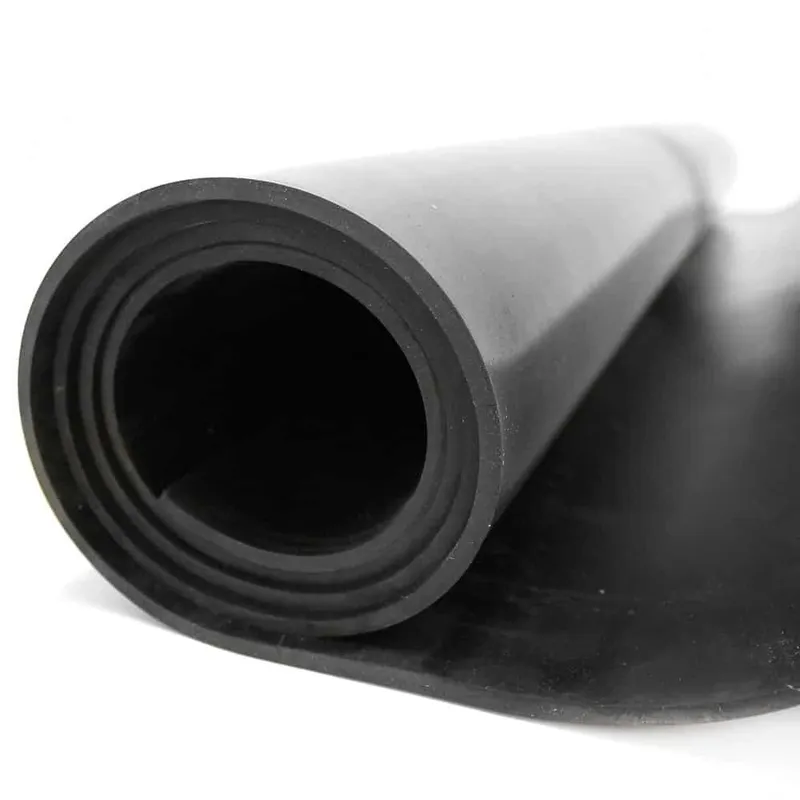
What are EPDM rubber sheets? EPDM rubber sheets are made from ethylene propylene diene monomer (EPDM), a synthetic elastomer characterised by its excellent…
Configure your cut
Description
EPDM rubber sheets are made from ethylene propylene diene monomer (EPDM), a synthetic elastomer characterised by its excellent resistance to weathering, ozone and UV radiation. This material is also extremely temperature- and chemical-resistant, which makes it a versatile solution for industrial and technical applications.
EPDM rubber sheets are available in various versions, including smooth, textured and reinforced variants, to meet specific requirements.
EPDM rubber sheets cut to size
A major advantage of EPDM rubber sheets is the option to order custom cut pieces. These individual adaptations allow optimum use of the material and reduce waste.
Examples of applications for custom cut pieces:
- Seals: Precisely manufactured seal shapes for machines and pipes.
- Impact protection: Elastic pads for sensitive components.
- Floor coverings: Non-slip and elastic coverings for sports and leisure areas.
With EPDM rubber sheet cut pieces, individual requirements can be realised cost-effectively and efficiently, making them an ideal solution for numerous industries.
Processing of EPDM rubber sheets
EPDM rubber sheets are easy to process and adapt. Common processing methods include:
- Cutting: With a knife, scissors or suitable machines.
- Bonding: Use of special rubber adhesives for durable joints.
- Punching: Precise shapes and seals can be punched.
- Vulcanisation: For specific applications, sheets can be further processed.
- Lamination: Combination with other materials for special requirements.
Thanks to these versatile processing options, EPDM rubber sheets can be adapted for almost any application.
Properties
EPDM rubber sheets offer a wide range of advantages that make them a preferred material for numerous applications:
- Outstanding weather resistance: Ideal for outdoor use, as EPDM is affected by neither UV rays nor ozone.
- High elasticity: Even at extreme temperatures, the material remains flexible and unbreakable.
- Chemical resistance: Resistant to many acids, alkalis and other chemicals.
- Watertight: Perfectly suited for sealing and waterproofing applications.
- Temperature stability: Can be used over a wide temperature range without losing its properties.
- Easy to process: EPDM rubber sheets can easily be cut, bonded and punched.
Applications
EPDM rubber sheets are used in a wide variety of industries and applications, including:
- Construction industry: Seals for roofs, façades and windows.
- Automotive industry: Door seals, window channel seals and vibration dampers.
- Mechanical engineering: Seals, dampers and protective pads.
- Electrical engineering: Insulation materials for electrical applications.
- Water management: Seals for water pipes, channels and tanks.
- Leisure and sports industry: Elastic floor coverings and impact protection.
Thanks to their weather and chemical resistance, EPDM rubber sheets are particularly in demand in applications where long-lasting and reliable materials are required.
FAQ about EPDM rubber sheets
What advantages does EPDM offer compared with other elastomers?
EPDM is particularly resistant to weathering, UV radiation and ozone. It also offers excellent chemical resistance and remains elastic even at extreme temperatures.
Are EPDM rubber sheets watertight?
Yes, EPDM is completely watertight and is ideal for sealing applications.
In which thicknesses are EPDM rubber sheets available?
The standard thicknesses range from 1 mm to 50 mm; custom-made versions are available on request.
Can EPDM rubber sheets be recycled?
Yes, EPDM is recyclable and can be processed again after use.
Which applications benefit particularly from EPDM?
EPDM is frequently used in the construction industry, the automotive sector and in sealing applications where durability and weather resistance are crucial.
Technical data
EPDM rubber sheets impress with the following technical features:
- Hardness: 40 to 90 Shore A (depending on the version)
- Temperature resistance: -40 °C to +120 °C (short-term up to +150 °C)
- Density: approx. 1.1 g/cm³
- Tensile strength: Up to 10 MPa
- Elongation at break: 300 % to 500 %
- Resistance:
- Outstanding against ozone, UV radiation and ageing
- Resistant to many chemicals, acids and alkalis
- Electrical properties: Good insulating capability
- Standard formats: Available in thicknesses from 1 mm to 50 mm and widths up to 2000 mm