Plastic sheets
Acrylglas (PMMA) sheet – cut to size
Acrylic sheet cut to size Are you looking for a suitable plastic sheet cut to size? Your company needs a suitable plastic for a project, for example to build…
Datenblatt PMMA (Acrylglas) (PDF, in German)More about the product
Configure your cut
Description
Acrylic sheet cut to size
Are you looking for a suitable plastic sheet cut to size? Your company needs a suitable plastic for a project, for example to build a conservatory or an aquarium. Then the plastic polymethyl methacrylate is the right plastic for your project.
You know the plastic by the abbreviation PMMA or, even more likely, by the name acrylic or also by the trade name Plexiglas. Acrylic is a transparent plastic and an inexpensive alternative to glass. Acrylic has been known since 1927 and is used in a wide variety of areas.
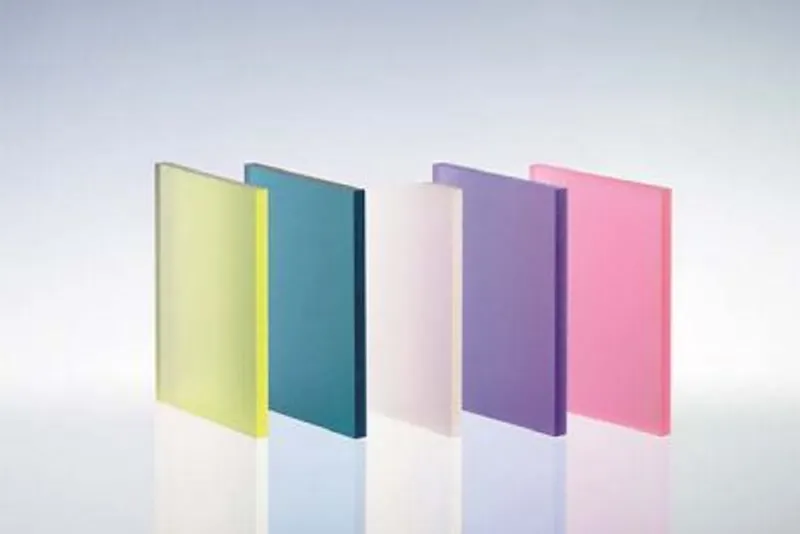
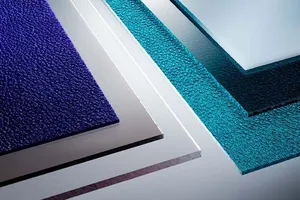
Coloured acrylic sheets available from usAcrylic processing
PMMA is easy to process and install. The plastic can be coloured well, so that beyond the most common colours such as clear, white, black, brown and green, you can choose or have a desired colour produced depending on the project. Acrylic stands out thanks to its particularly strong colours. The plastic is often used for illuminated signs. Among other things for the lettering for station names and lettering.
- sawing
- drilling
- CNC turning
- thread cutting
- CNC milling
- Waterjet cutting
- Laser cutting
- polishing
- gluing
- welding
- hot bending
- thermoforming
- tempering
- printing
- laminating
- coating
- engraving
- Bending
Acrylic (PMMA) - XT sheet cut pieces to size
Trade names: e.g. CRYLON®, Plexiglas®,, Altuglas, Perspex, Piacryl, Barlo, Biacryl, Conacryl, Deglas, Diakon, Friacryl, Hesaglas, Limacryl, PerClax, Vitroflex, O-Glas
History: Acrylic was invented in Germany by Dr Otto Röhm and his team, who are scientists and researchers. Polymethyl methacrylate belongs to the group of thermoplastics. Thermoplastics include all types of plastic that can be deformed and shaped within certain temperature ranges.
Plexiglas cut to size
Plexiglas is another name for acrylic, it is an extremely versatile material that finds a wide range of applications both indoors and outdoors. It is light, shatter-resistant and offers high transparency that comes very close to that of glass. From us you receive custom-made Plexiglas cut pieces that you can order easily and quickly online.
Whether for window replacement, privacy screens or decorative purposes – we supply you with Plexiglas sheets cut exactly to your requirements. We also have the Plexiglas disc in our range made from acrylic.
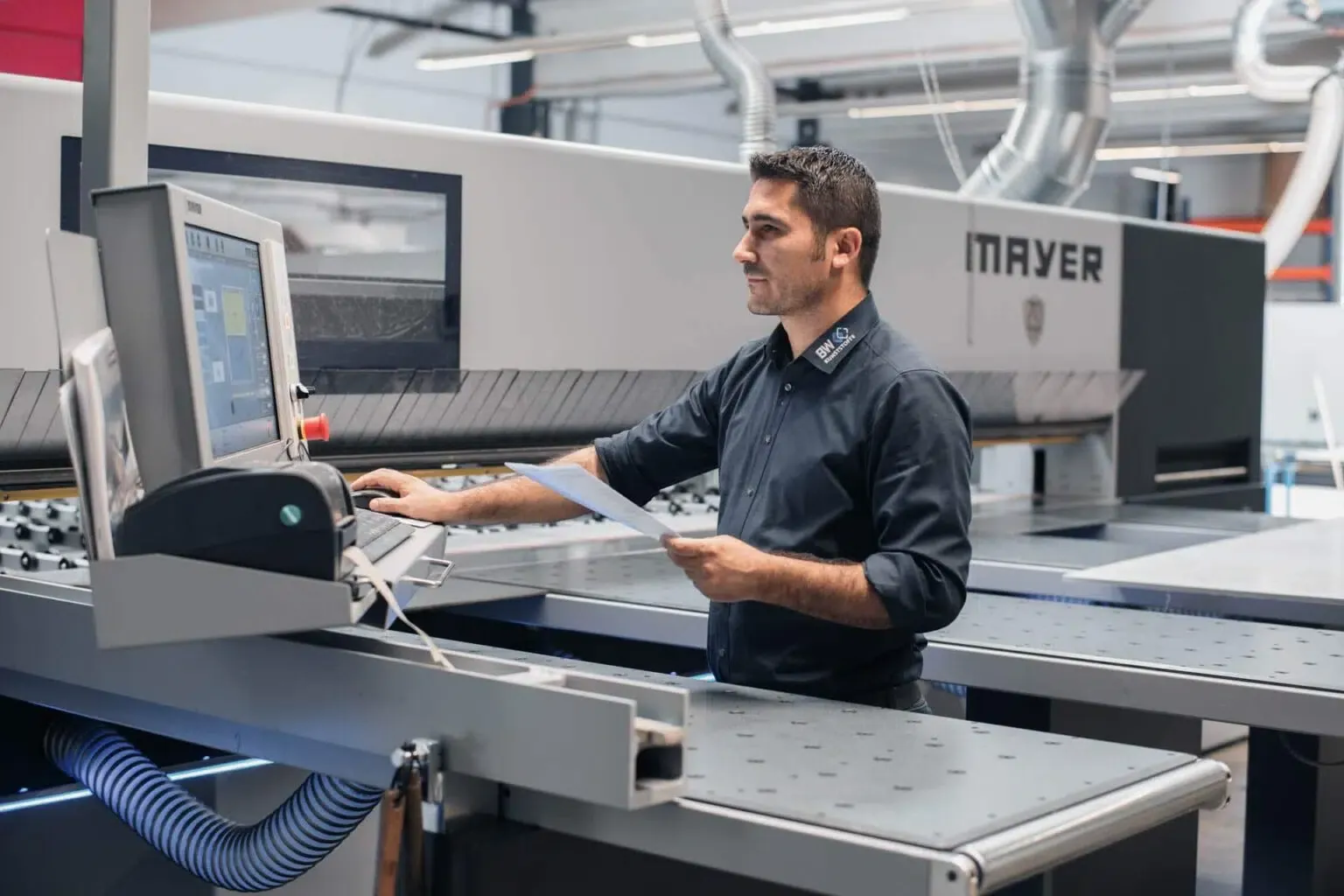
Plexiglas with engraving by modern machinesCustom-made Plexiglas cut pieces – simply configure online
To make ordering as easy as possible for you, we have developed a user-friendly cut-to-size configurator. With it you can configure your Plexiglas sheets individually to size by specifying the desired dimensions and the thickness of the sheet. The price is calculated in real time, so you always have full control over your order.
Our cutting is accurate to the millimetre, and thanks to our modern cutting processes we can guarantee you precision and clean cut edges. This also makes us a partner for industry when it comes to plastic machining. The order is usually processed on the next working day and dispatched quickly, so you do not have to wait long for your individually cut sheets.
Plexiglas cut pieces in various versions
Plexiglas is available in a wide variety of colours, surfaces and thicknesses. Transparent sheets are suitable as a replacement for real glass, while coloured or satin-finished surfaces open up decorative possibilities. Opalescent Plexiglas is particularly well suited for applications where diffuse light transmission is desired, such as light boxes or privacy screens.
Plexiglas is also ideal for outdoor use, as it is UV- and weather-resistant. It does not yellow and remains clear and stable for many years. This makes it a popular material for canopies, greenhouses or balcony glazing.
Processing Plexiglas: cutting, drilling and installation
Plexiglas is not only versatile in application, but also easy to process. With the right tools you can cut, drill and install it without damaging the material.
Cutting Plexiglas
Cutting Plexiglas is comparatively easy if the right tools are used. Most commonly, Plexiglas is cut with a saw. It is important to choose a fine saw blade and a medium speed in order to obtain clean cut edges without cracks. Table circular saws and hand-held circular saws are ideal for straight cuts.
For even more precise cuts and smooth edges, laser cutting is recommended. This method produces a polished edge, which is particularly visually appealing with transparent sheets. Laser cutting is also excellently suited for complex shapes and designs that are difficult to achieve with conventional saws.
Drilling Plexiglas
Care is required when drilling Plexiglas, as high temperatures or too much pressure can cause the material to crack. It is best to use sharp metal drill bits and drill at medium speed without applying too much pressure. Plexiglas should always lie on a stable surface to avoid vibrations and movements that could interfere with the drilling process. Here too, the rule is: drill slowly and evenly to achieve a clean result.
For larger hole diameters or precise drilling in thicker sheets, special drilling machines or CNC milling processes can be used that are suitable for plastic.
Plexiglas sheet machining by CNC milling machineInstallation of Plexiglas
Plexiglas is easy to install, whether by screwing, gluing or mounting in frames. When screwing, however, you should make sure that the screws are not tightened too firmly, as the material can easily break out at the drill holes. Special plastic screws or washers are helpful here to distribute the pressure on the Plexiglas.
Gluing Plexiglas is also a common method of fastening. With special solvent-based acrylic adhesives, Plexiglas sheets can be joined permanently and watertight. This is particularly useful when installing aquariums or terrariums, where a tight bond is required. MS polymers or silicone adhesives are also well suited for fastening Plexiglas sheets.
For use outdoors, such as for patio canopies or balcony glazing, it is important that the sheets are well sealed to prevent the ingress of water.
Environmental friendliness and disposal of Plexiglas
Plexiglas is not only a durable material, but also environmentally friendly, as it can be fully recycled. This makes it a sustainable alternative to glass or other plastics that often cannot be recycled.
Recycling of Plexiglas
Old Plexiglas sheets can be recycled and used to produce new acrylic products. The material can be shredded and melted down in special facilities to produce new sheets without any loss of quality. There is also chemical recycling, in which Plexiglas is broken down into its basic building blocks and polymerised again. This is a particularly sustainable method, as fewer raw materials are required.
Recycling plays an important role in reducing the ecological footprint and avoiding plastic waste. Plexiglas that is recycled via the recycling centre or special disposal facilities can be reintroduced into the production cycle and does not have to be incinerated, which would destroy valuable raw materials.
Disposal of Plexiglas
When disposing of Plexiglas, it is important that the material is separated by type to enable clean recycling. Smaller pieces of Plexiglas can be disposed of via the recycling bin or the recycling centre. Larger quantities should preferably be handed over directly to recycling companies that specialise in plastics.
Since Plexiglas is not biodegradable, it should not end up in normal household waste. With proper disposal, however, it can be fully recycled and thus contributes to a more sustainable circular economy.
A Plexiglas cut piece offers you the opportunity to realise your project individually and precisely. Whether you need a transparent sheet for a window pane replacement or a coloured acrylic sheet for a decorative project – at technischekunststoffe24.de you receive custom-made solutions to your specifications. Thanks to our modern cutting processes, fast processing and sustainable disposal, we help to ensure that you not only receive high-quality products, but also protect the environment.
Plexiglas cut pieces are used, among other things, for displays and glazing. The glazing can, for example, be a window pane replacement. Because Plexiglas® is significantly lighter than a glass window pane and significantly more robust.
Plexiglas® can be used in many ways, as it can be used in many processing methods, such as sawing, drilling, turning, thread cutting, milling, waterjet cutting, laser cutting, polishing, gluing, welding, hot bending, thermoforming, tempering, printing, laminating, coating, engraving, bending.
The Plexiglas cut piece can be selected and ordered in thicknesses between 1 and 25 mm, as well as in formats from min 20 x 20 to max 2050 x 1250 mm from your company technischekunststoffe24.de.
Since it can be used in many ways, it is used in a wide variety of areas. The standard colour of Plexiglas® is transparent. The manufacturers have thought ahead here, so that Plexiglas® is now also available in all kinds of colours. This makes acrylic convincing on all counts. It can not only be used as a sheet. In some work areas it is needed in round form.
The Plexiglas cut piece is used, among other things, in households as shower screens and privacy screens.
Order your Plexiglas cut piece online now and benefit from our expertise, high-quality materials and fast delivery.
Plexiglas/acrylic since Corona
Due to Corona, demand for acrylic sheets increased most strongly, especially in the retail sector. The cut pieces made of Plexiglas serve as privacy screens so that sellers and buyers do not infect each other with the various diseases. Especially with the Covid variants, self-protection and precautionary measures came about. Privacy screens are also used in laboratories, among other places. Plexiglas® provides a clear view and can come into contact with solvents or chemical substances without any problems.
The acrylic cut pieces are convincing on all counts. Because they offer a high-quality alternative to real glass. The plastic glass is as transparent as a glass pane, but 30 times more impact-resistant than real glass panes. Plexiglas® can be used both indoors and outdoors.
Acrylic cut to size - individual adaptation for your projects
An acrylic cut piece offers you the opportunity to adapt acrylic sheets perfectly to your needs and projects. Whether you need an individual size, special shapes or millimetre-precise accuracy – with professional cutting you get exactly the dimensions that suit your project. The flexibility of having acrylic cut individually is particularly valuable for tradespeople, DIY enthusiasts and for commercial use in shopfitting, furniture making and interior design.
What is acrylic and why is it suitable for cut pieces?
Acrylic, also known as polymethyl methacrylate (PMMA) or under trade names such as Plexiglas, is a transparent plastic that represents an inexpensive and versatile alternative to glass. It has been known since the 1920s and has proven itself in numerous applications since then.
The plastic is particularly light, robust and easy to process, which makes it ideal for individual cut pieces.
Dimensions and shapes as desired – flexibility in detail
With cut-to-size acrylic you can realise almost any conceivable shape and size. From a simple rectangular cut to special shapes and curves – the possibilities are almost limitless.
With acrylic sheet cutting to size you can adapt the material exactly to the intended use, which ensures optimal use and little waste.
Areas of application for acrylic cut pieces
An acrylic cut piece is ideal for a wide range of applications. Typical areas of application are:
- Furniture making: Here acrylic sheets are often used as decorative elements or as surfaces.
- Advertising technology: Acrylic cut pieces are also ideally suited for illuminated advertising and signs.
- Craft and home projects: Thanks to its easy processing, acrylic is also suitable for smaller DIY projects and DIY ideas.
With acrylic cut to size, these applications can be realised individually, which guarantees a perfect fit.
Advantages of acrylic cut to size
An individually adapted cut brings many advantages. The material is processed exactly to your specifications, so that a high dimensional accuracy and high-quality edge processing are guaranteed. This makes the cut suitable both for visible applications and for technical use.
In addition, acrylic is lighter than glass and at the same time weather-resistant, so that it can be used in many ways both indoors and outdoors. Professional acrylic cutting enables optimal use of the material and offers an economical solution for many projects.
Have your acrylic cut to size
Thanks to modern cutting technologies such as laser or CNC cutting, acrylic sheets can be machined precisely. Have your acrylic cut to the right dimensions and benefit from a material that is not only functional but also aesthetically appealing.
Take advantage of the many possibilities of acrylic and see for yourself how flexible this material can be with professional cutting – perfect for individual solutions to size.
Properties
Acrylic can be used in a temperature range from -40°C to +90 °C. Its own melting temperature is 140°C to 160°C. Acrylic is resistant to weathering and ageing and has a high light transmission of 92 %. The plastic has a higher light transmission than glass. It also absorbs UV rays. It is impact-resistant and light. It can be engraved if required. The surface can also be polished and sanded if required.
| Property category | Property | Description |
|---|---|---|
| General properties | Density | 1.19 g/cm³ |
| Water absorption (under standard climate) | 0.2 % | |
| Optical properties | Good optical properties | Clear view and high light transmission of up to 92 %. |
| Beautiful transparency | Highly transparent plastic, similar to glass, but lighter and more shatter-resistant. | |
| Excellent colour fastness | After colouring, the colour remains intense and uniform over a long period. | |
| Maximum UV protection | Outstanding UV resistance, protects against solar radiation and yellowing. | |
| Light transmission (at 3 mm thickness) | 92 % | |
| Refractive index | 1.492 nD | |
| Mechanical properties | High strength and rigidity | Acrylic is robust and has high tensile and flexural strength. |
| Impact resistance | Good impact strength, but not as high as with polycarbonate sheets. | |
| Tensile strength | 70 MPa | |
| Flexural strength | 115 MPa | |
| Elongation at break | 4 % | |
| Tensile modulus | 3200 MPa | |
| Impact strength (Charpy, unnotched) | 17 kJ/m² | |
| Notched impact strength (Charpy, notched) | 2 kJ/m² | |
| Ball indentation hardness | 235 MPa | |
| Thermal properties | Temperature resistance | Suitable for temperatures up to approx. 70 °C in continuous use, briefly up to 90 °C. |
| Specific heat capacity | 1.47 J/g·K | |
| Thermal conductivity | 0.18 W/m·K | |
| Coefficient of thermal expansion | 7 × 10⁻⁵ K⁻¹ | |
| Chemical properties | Chemical resistance | Resistant to many chemicals, but sensitive to solvents such as acetone. |
| Environmentally friendly | Recyclable and free from harmful substances. | |
| Electrical properties | Insulating capacity | Good electrical insulating capacity. |
| Dielectric strength | 30 kV/mm | |
| Specific volume resistivity | > 10¹³ Ω·cm | |
| Surface resistance | > 10¹⁵ Ω | |
| Physical properties | Low weight | Weighs only about half as much as glass of the same thickness. |
| Withstands a fair amount of weight | Robust and stable, even under load. | |
| Scratch resistance | Increased scratch resistance, can additionally be optimised by coatings. | |
| Weather resistance | High resistance to wind, weather and sunlight. | |
| Ageing resistance | Stable in the long term without discolouration or material deterioration. | |
| Machinability | Easy processing | Can easily be sawn, drilled, milled, glued and thermally formed. |
| Easy formability | Thermoplastically deformable, ideal for creative applications. | |
| High surface stability | Remains stable and attractive even with long-term use. | |
| Food compatibility | Can be used in contact with food | Suitable for applications in the food sector, as it does not release any harmful substances. |
| Free from toxic substances or heavy metals | Environmentally friendly and safe in use. | |
| Sustainability | Easy recycling | 100 % recyclable, contributes to sustainability. |
Applications
Plexiglas is also used in multiwall sheets.
Areas of application
- Aquariums
- Glazing (e.g. conservatories, aircraft, boats)
- Displays and partitions
- Light domes
- Covers
- Advertising posters, advertising elements (letters, numbers, shapes)
- Protective screens
- Roofing
- Interior fittings
- Solariums
- Kitchen lighting
- Lettering stencils
- Flat screens
- Spectacle and watch lenses
- Total and partial prostheses
- Bowls and containers
Industries
- Electrical engineering: protective screens and covers.
- Construction: roofing, light domes, and interior fittings.
- Medical technology: prostheses and medical devices.
- Industry and trade: partitions and glazing.
- Automotive and aerospace industry: special glazing and covers.
- Household goods: bowls, containers, kitchen lighting.
- Advertising technology: illuminated advertising, advertising posters, protective screens.
Acrylic convinces through durability, weather resistance and versatile possible uses.
Frequently asked questions about acrylic sheets
Is acrylic shatter-proof?
Acrylic is significantly more impact-resistant than conventional glass and splinters less when damaged. For applications with high impact stress, polycarbonate can be a suitable alternative.
What is the difference between Plexiglas and acrylic?
Plexiglas is a brand name for acrylic (PMMA). Both terms are often used synonymously and describe transparent plastic sheets with similar properties.
Can acrylic be used outdoors?
Yes. Acrylic is UV-resistant, weather-resistant and, in high-quality versions, yellows only very slowly. It is therefore suitable for indoor and outdoor applications.
How do you clean acrylic properly?
Lukewarm water, a soft cloth and mild cleaning agents are suitable for cleaning. Abrasive cleaners or aggressive chemicals can damage the surface and cause scratches.
Which acrylic thickness should be chosen?
The right thickness depends on the area of use, size and load. Thinner sheets are suitable for covers or displays, thicker variants for protective glazing, machine covers or structural applications.
Technical data
| Property | Value | Standard |
|---|---|---|
| General properties | ||
| Density | 1.19 g/cm³ | ISO 1183 |
| Water absorption (under standard climate) | 0.2 % | DIN EN ISO 62 method 1 |
| Optical properties | ||
| Light transmission (at 3 mm thickness) | 92 % | DIN 5036-3 |
| Refractive index | 1.492 nD | ISO 489 |
| Mechanical properties | ||
| Tensile strength | 70 MPa | ISO 527-2 |
| Flexural strength | 115 MPa | ISO 178 |
| Elongation at break | 4 % | ISO 527-2 |
| Tensile modulus | 3200 MPa | ISO 527-2 |
| Impact strength (Charpy, unnotched) | 17 kJ/m² | ISO 179-1 |
| Notched impact strength (Charpy, notched) | 2 kJ/m² | ISO 179-1 |
| Ball indentation hardness | 235 MPa | ISO 2039-1 |
| Thermal properties | ||
| Maximum continuous service temperature | 70 °C | |
| Maximum short-term service temperature | 90 °C | |
| Specific heat capacity | 1.47 J/g·K | ISO 11357-4 |
| Thermal conductivity | 0.18 W/m·K | DIN 52612 |
| Coefficient of thermal expansion | 7 × 10⁻⁵ K⁻¹ | DIN 53752 |
| Electrical properties | ||
| Dielectric strength | 30 kV/mm | IEC 60243-1 |
| Specific volume resistivity | > 10¹³ Ω·cm | IEC 60093 |
| Surface resistance | > 10¹⁵ Ω | IEC 93 |
Please note that these data are guide values and may vary depending on the processing method and specimen preparation. The suitability of the material for a specific purpose should be checked by the user.