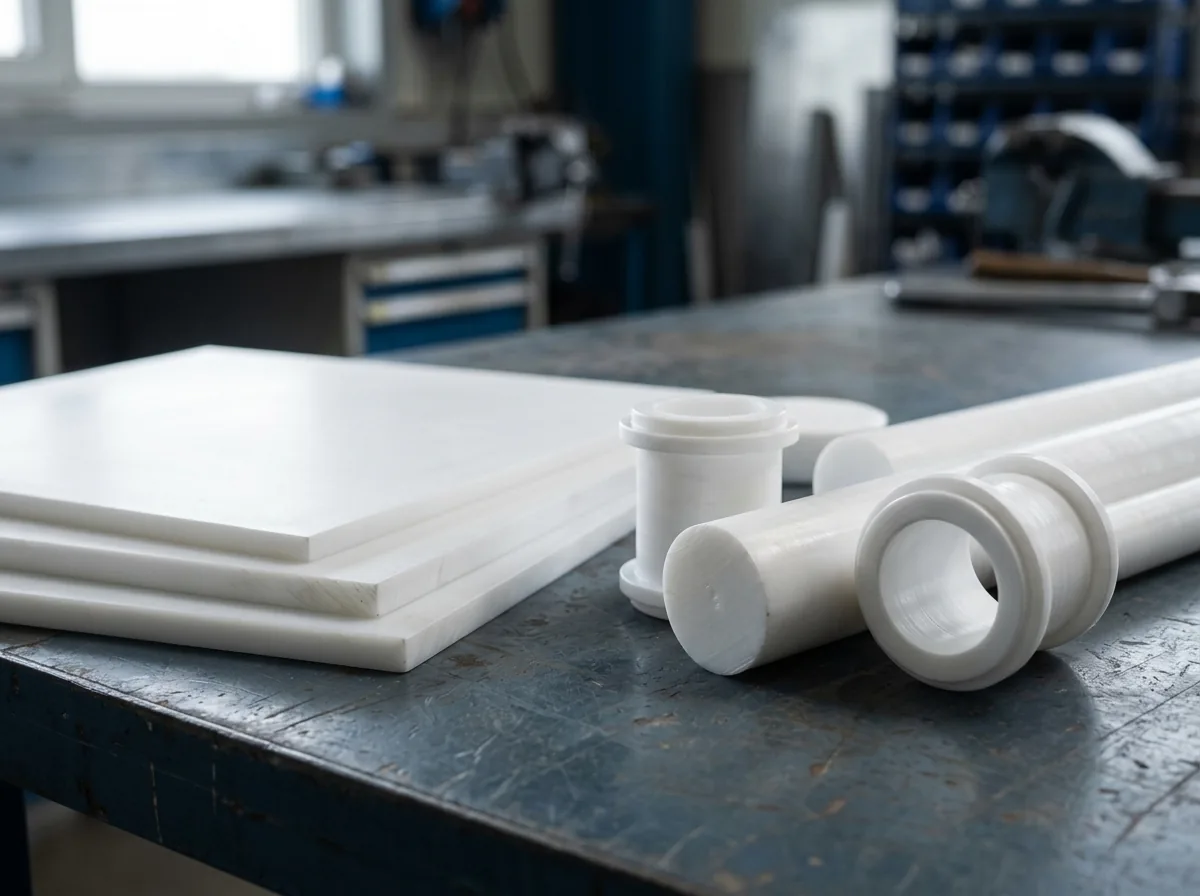
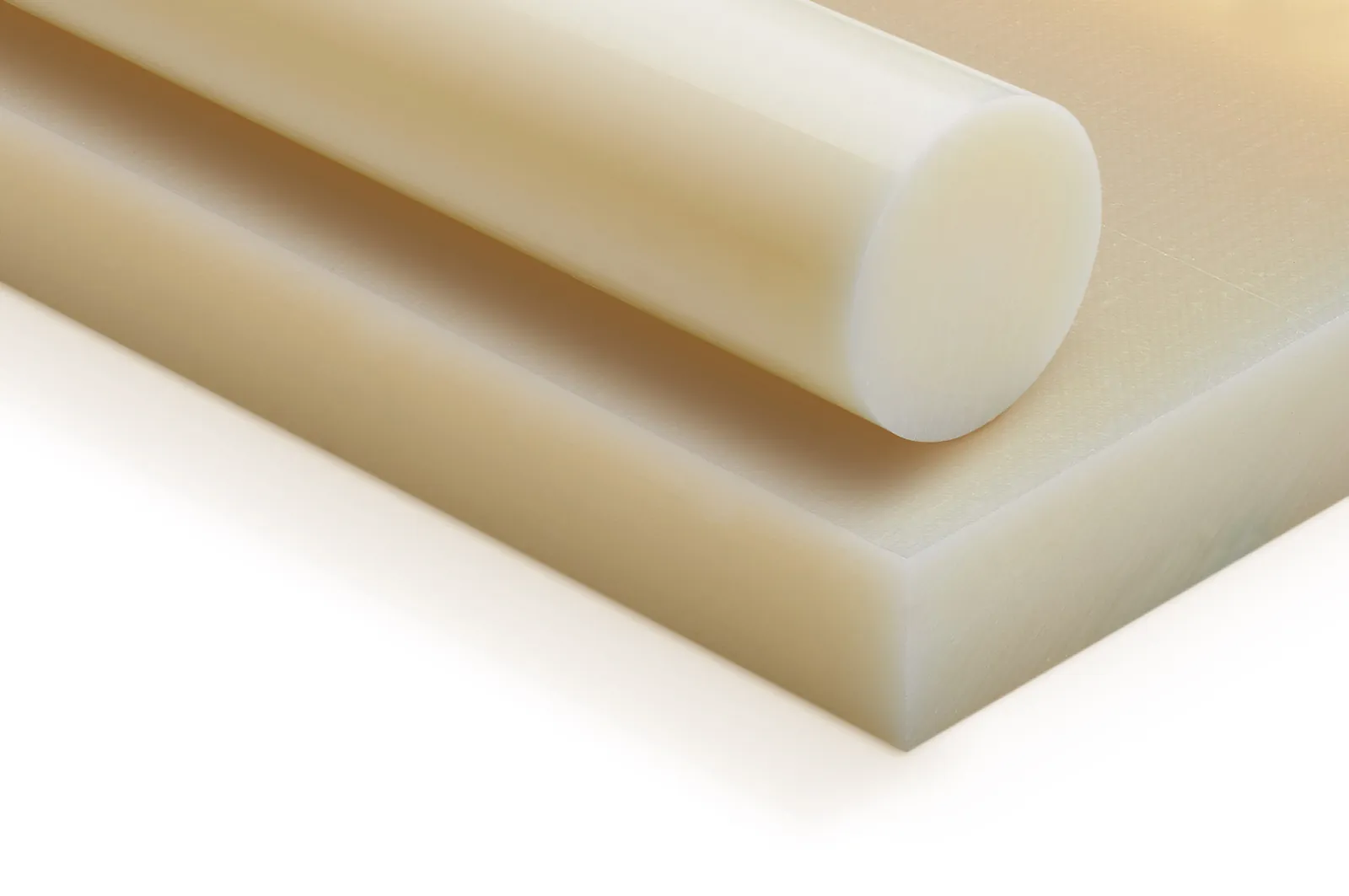
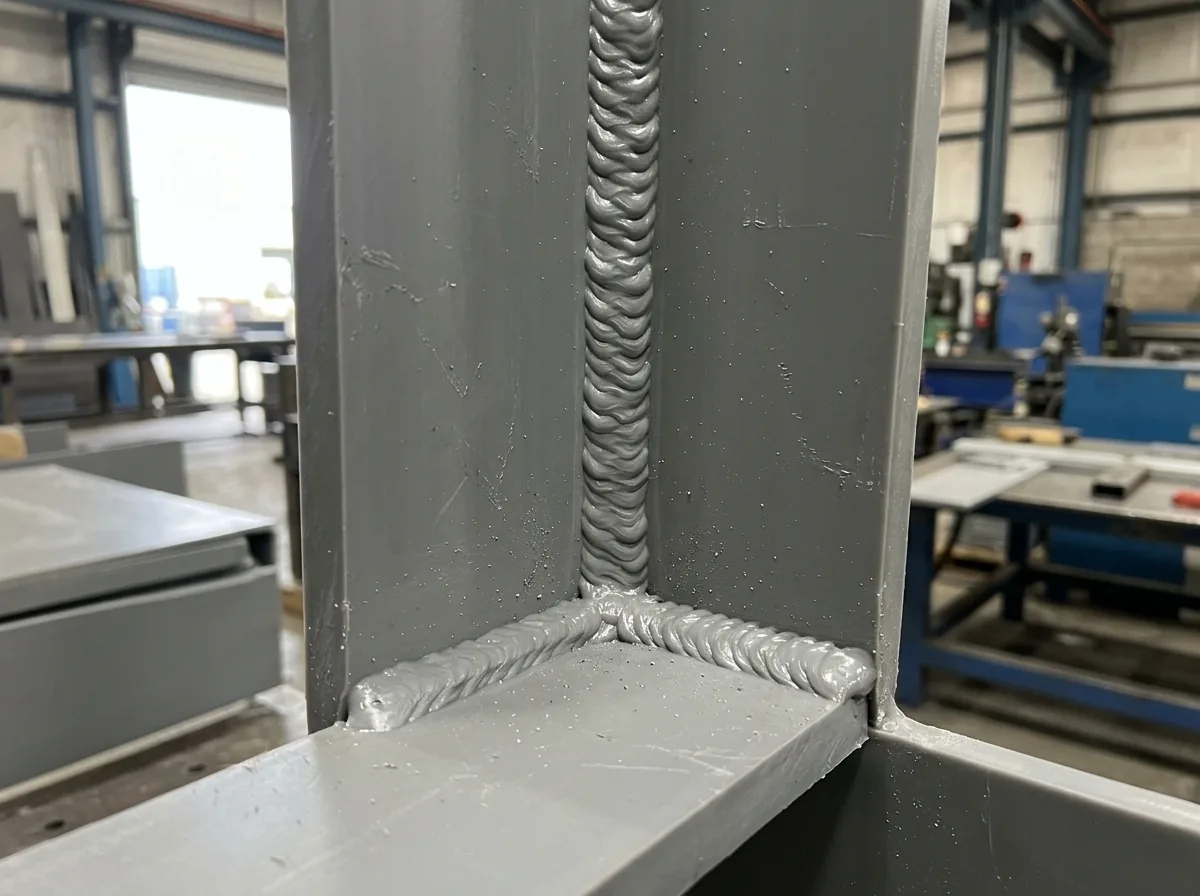
 This image was created with artificial intelligence – marked under Art. 50 of the AI Act, Regulation (EU) 2024/1689. It is a placeholder until the company's photos arrive.
Food-safe plastics: certificates, requirements, applications
Food-safe plastics: Find out all about legal requirements, certificates, suitable materials and areas of application for safe food contact.
Food-safe plastics play a central role in the food industry, in packaging, in the catering sector and in medical technology. They must meet high requirements in order to be safe for health and at the same time offer functional properties such as temperature resistance, chemical resistance or mechanical stability. In this article you will learn which plastics are food-safe, which certificates are relevant and how they are used.
What does "food-safe" mean?
A plastic is considered food-safe if it does not release any harmful substances when in contact with food. This includes ensuring that neither chemical nor sensory changes occur in the food. Safety is regulated by various legal requirements.
In Europe, the basis is Regulation (EC) No. 1935/2004, which states that materials that come into contact with food must not release any constituents in quantities hazardous to health. In addition, further standards apply, such as EU Regulation (EU) No. 10/2011, which is specific to plastics.
Relevant certificates and approvals
Depending on the area of application, food-safe plastics require the following verifications or certificates:
EU Regulation 10/2011
This regulation governs the use of monomers and additives in plastic materials and prescribes migration limits for individual substances. A declaration of conformity is mandatory.
FDA conformity
Especially for exports to the USA, approval by the US Food and Drug Administration (FDA) is required. It defines similar requirements to the EU, but with its own lists and limits.
NSF certification
The National Sanitation Foundation (NSF) offers international standards for hygienic safety, among other things for drinking water systems and food processing.
Further verifications
- Declaration of conformity according to DIN EN 1186
- Migration tests (OML/SML)
- Sensory tests (odour, taste)
Requirements for food-safe plastics
Depending on the area of use, food-safe plastics must satisfy different physical, chemical and hygienic requirements:
Temperature resistance
Many applications require resistance to high or low temperatures, e.g. in refrigerators, dishwashers or warming containers.
Chemical resistance
Important for cleaning processes, especially in industrial food production.
Mechanical strength
Break-resistant, impact-resistant or abrasion-resistant plastics are required for chopping boards, agitators or dosing mechanisms.
Hygienic processing
The surface structure must be smooth, free of pores and easy to clean. In addition, no residues may accumulate.
Suitable plastics in the food sector
Not every plastic is suitable for contact with food. The following materials are generally available as food-safe:
| Plastic | Properties | Typical applications |
|---|---|---|
| PE (polyethylene) | Very good chemical resistance, flexible, cost-effective | Chopping boards, canisters, films |
| PP (polypropylene) | Heat-resistant up to approx. 120 °C, sterilisable | Cups, food containers, lids |
| PET (polyethylene terephthalate) | High transparency, good gas barrier | Bottles, trays, blister packaging |
| PA (polyamide) | High strength, abrasion-resistant | Meat processing, machine components |
| POM (polyoxymethylene) | High rigidity, very good sliding properties | Agitators, gears, conveyor technology |
| PTFE (polytetrafluoroethylene) | Temperature- and chemical-resistant, non-stick | Seals, non-stick surfaces |
| PC (polycarbonate) | Transparent, impact-resistant, limited heat resistance | Viewing windows, dosing containers |
Areas of application for food-safe plastics
Packaging
Plastic food packaging must protect the product, ensure a long shelf life and comply with legal requirements. PET, PE and PP are particularly widespread here.
Catering and household
Chopping boards, fresh-keeping boxes, drinking bottles or kitchen appliances often contain PE, PP or PC. Dishwasher resistance and easy cleaning are important here.
Food industry
In industrial production, POM, PA and PTFE are in demand, for example in automated systems, conveyor technology or hygienic machine components.
Medical technology and laboratories
Food-safe plastics are also used here, especially when devices are used for both food and pharmaceutical products.
Conclusion
Food-safe plastics are an essential component of modern food processing, packaging and catering. The selection of suitable materials must always be made taking into account legal requirements, technical requirements and hygienic standards. Only plastics with appropriate certification offer the necessary safety and quality in direct contact with food. Anyone who pays attention to certified materials and processes them properly obtains durable and health-safe solutions for demanding applications.
FAQ: Frequently asked questions about food-safe plastics
How do I recognise whether a plastic is food-safe?
By symbols (glass-and-fork symbol), manufacturer information and declarations of conformity.
Are all transparent plastics food-safe?
No. Food safety does not depend on appearance, but on chemical composition and certification.
Can plastics be used food-safe in 3D printing?
Only with specially certified filaments and under very clean production conditions.
What happens if a plastic is not food-safe?
Harmful substances can migrate into the food. This is legally prohibited and risky for health.
What role does processing play?
Even a certified plastic can become unsuitable through incorrect processing (e.g. welding fumes, foreign substances).