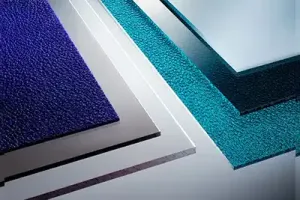
Plastic sheets
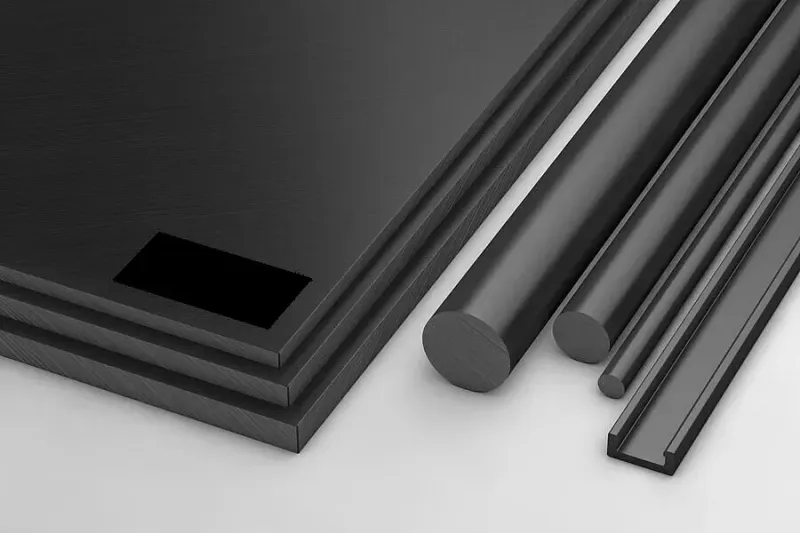
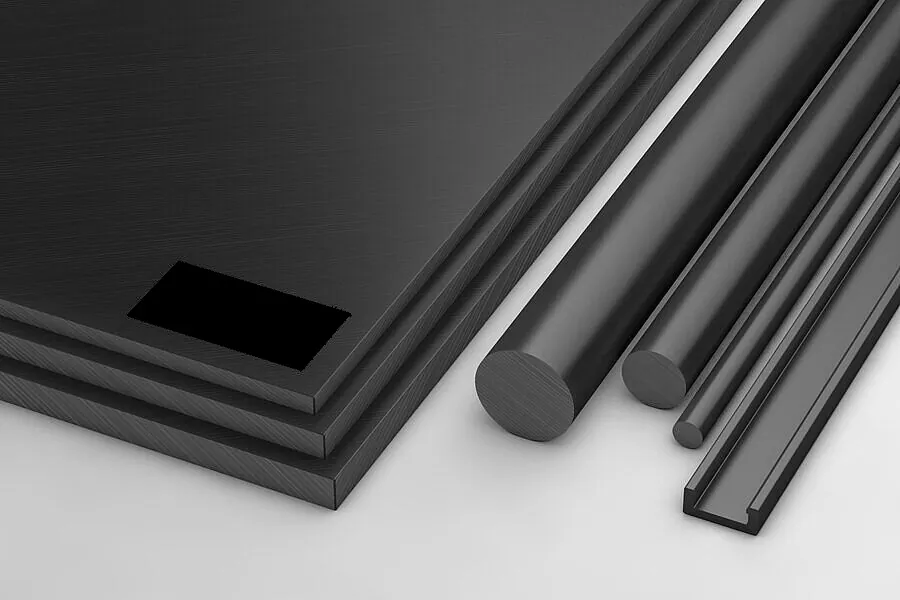
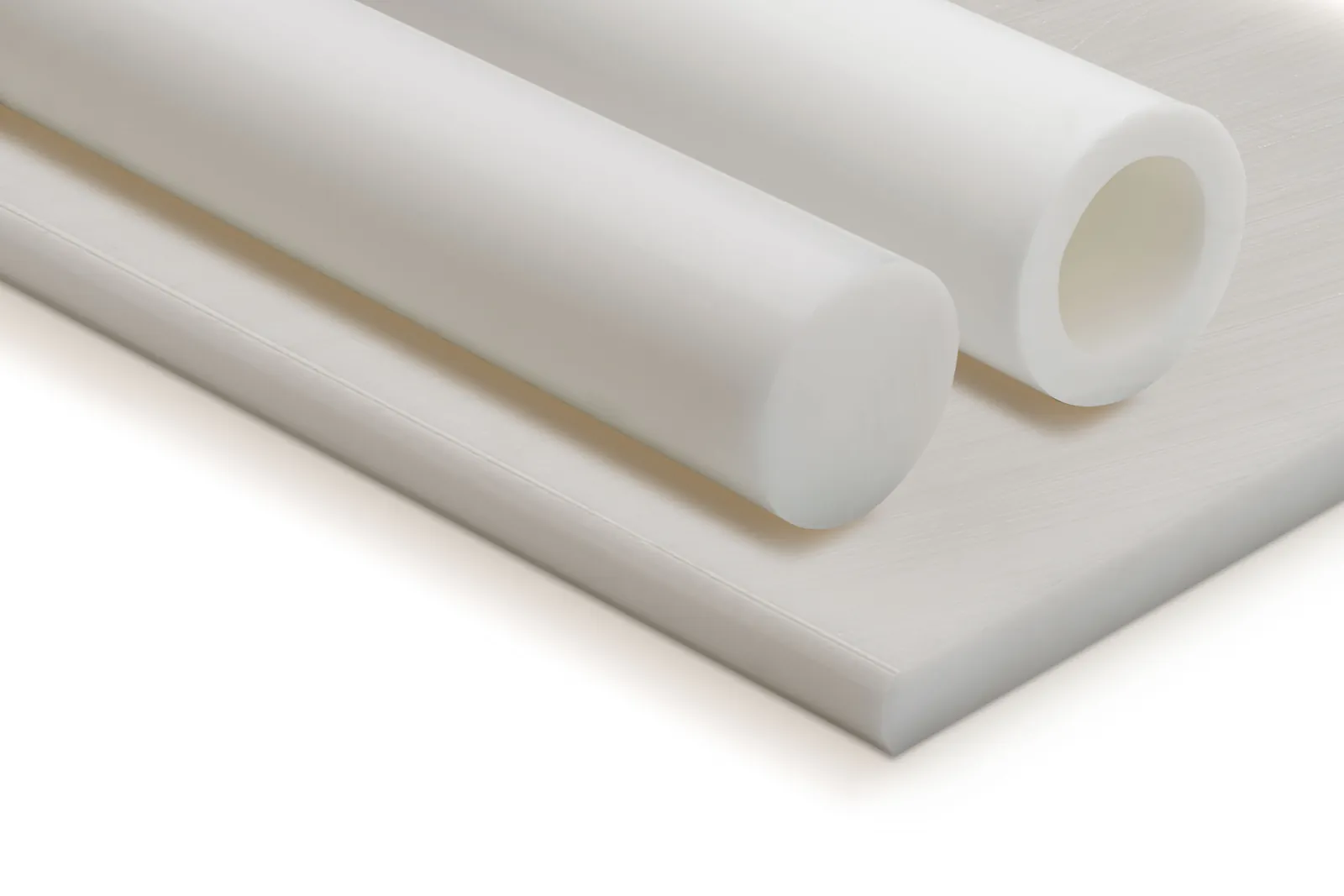
PE 1000 sheet – cut to size
What is PE 1000? PE 1000 stands for ultra-high-molecular-weight polyethylene, a plastic with a particularly high molecular mass. This molecular structure…
Colour
Description
What is PE 1000?
PE 1000 stands for ultra-high-molecular-weight polyethylene, a plastic with a particularly high molecular mass.
This molecular structure gives PE 1000 extraordinary mechanical and physical properties. It belongs to the polyethylene family, but stands out clearly thanks to its outstanding wear resistance, toughness and chemical resistance.
Because of these characteristics, it is often used in demanding applications where conventional plastics reach their limits.
PE1000 cut to size
PE1000 sheets can be cut precisely to the required dimensions and are suitable for applications with high mechanical stress. Thanks to its high wear resistance, excellent sliding properties and low moisture absorption, PE1000 is frequently used for slide guides, conveyor systems, wear strips, linings and machine elements.
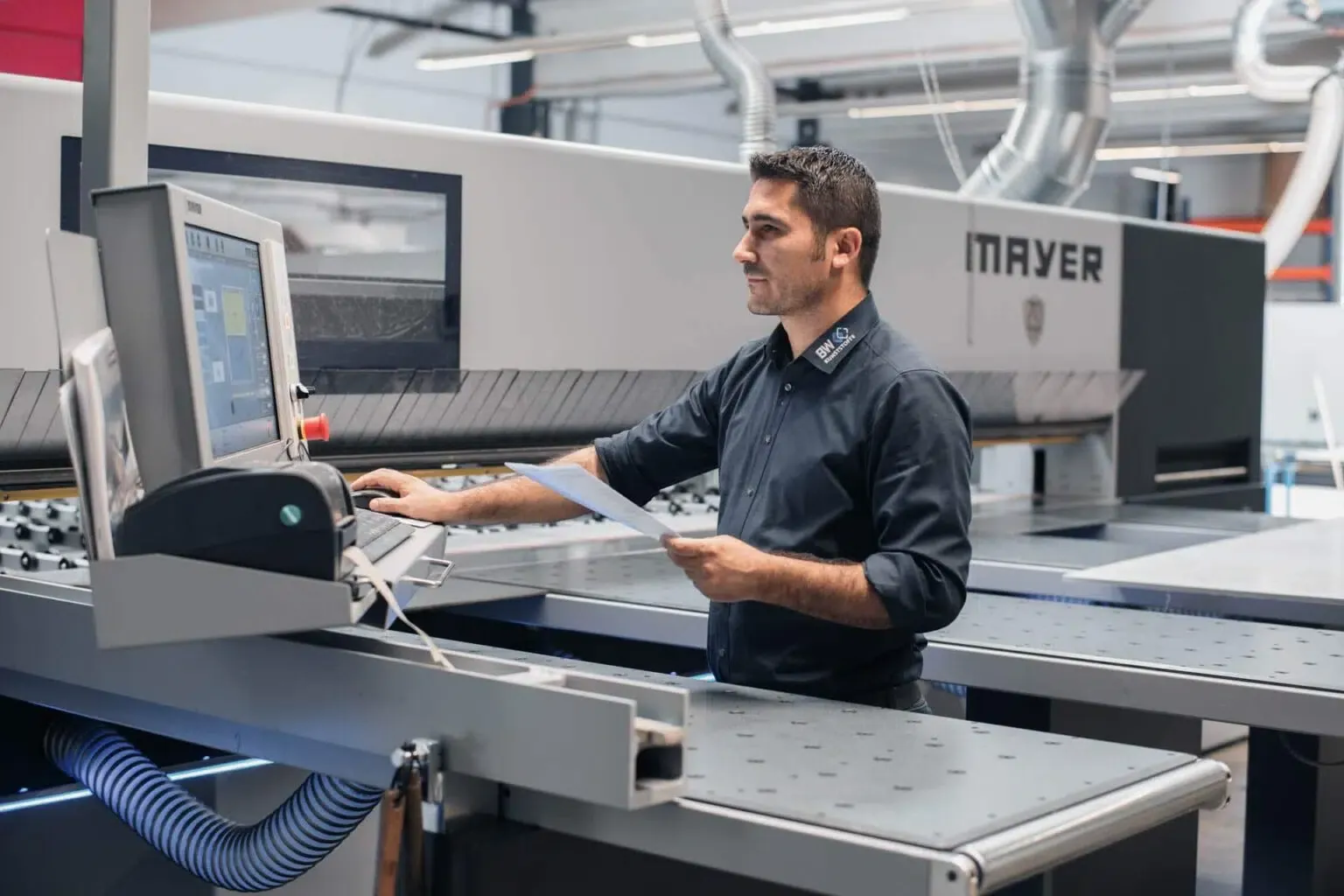
At technischekunststoffe24.de you can obtain PE1000 cut pieces to size in various thicknesses and formats. Individual rectangular cut pieces can be configured directly online. For more complex geometries, drilled holes, milled parts or technical drawing parts, additional machining options are available.
PE1000 is particularly convincing where components are permanently exposed to friction, abrasion or impact loads. Compared with many other plastics, the material offers very high abrasion resistance and an excellent service life. This makes PE1000 suitable for mechanical engineering, conveyor technology, the food industry and numerous other industrial applications.
Whether a single piece, small series or series production – PE1000 cut pieces can be adapted exactly to the requirements of your project.
Processing of PE 1000 sheets
PE 1000 sheets are easy to process and offer a wide range of machining options. You can adapt the sheets to your individual needs by drilling, turning, milling, cold forming, screwing, punching, welding, waterjet cutting, laser cutting, riveting, sawing and cutting. This flexible machinability makes PE 1000 an excellent choice for a variety of industrial requirements.
Read more here: Plastic machining and Plastic processingTrade names of PE 1000 sheets
PE 1000 is offered under various trade names, including MAPE®, SIMONA® PE-1000, Polystone® M, GEHR PE-UHMW® and TECAFINE PE10. This wide range of brands ensures broad availability and consistently high quality of the material.
Other formats, thicknesses and colours are also available on request – contact us at info@martan.de for individual requirements. We also offer special cut pieces to suit your requirements.
Buy PE 1000 – your precisely fitting cut piece directly from a specialist supplier
If you would like to buy PE 1000, you will find precisely fitting cut pieces in various colours, thicknesses and dimensions at technischekunststoffe24.de. Our range includes natural, black and green variants – ideal for use in industry, mechanical engineering, conveyor technology or food processing. Thanks to our precise configurator, you can put together your desired format individually. All sheets are available from stock and are delivered within a few days.
You benefit from:
-
cut pieces to size accurate to the millimetre
-
tested quality from German production
-
a personal contact for queries
-
simple online ordering with instant pricing
Comparison with other plastics
Compared with other polyethylene types such as HDPE sheets (PE 300) or PE 500, PE 1000 offers a significantly higher molecular mass, which considerably improves wear resistance and service life. Compared with engineering plastics such as PA sheets (polyamide) or POM sheets (polyoxymethylene), PE 1000 scores with its chemical resistance and its low coefficient of friction.
PE 300, PE 500 or PE 1000 – which plastic is the right one?
| Property | PE 300 (HDPE) | PE 500 | PE 1000 (UHMW-PE) |
|---|---|---|---|
| Molecular weight | Low | Medium | Very high |
| Abrasion resistance | Low | Good | Very high |
| Sliding properties | Adequate | Good | Very good |
| Impact strength | Medium | High | Extremely high |
| Chemical resistance | Good | Very good | Excellent |
| Temperature resistance | -50 to +80°C | -100 to +80°C | -200 to +80°C |
| Areas of use | Simple applications | Machine cladding, bearings | Guides, sliding surfaces, heavy-duty |
| Price level | Inexpensive | Medium | Higher-priced |
What is the difference between PE-HD and PE 1000?
PE-HD (often referred to as PE 300) is the simplest form of polyethylene and is suitable for less demanding applications. PE 1000 (UHMW-PE), by contrast, has a significantly higher molecular weight and is more wear-resistant, more impact-resistant and more durable.
If your application requires high sliding stress, extreme loads or chemical resistance, PE 1000 is the superior choice – especially compared with PE-HD.
Which polyethylene is the right one?
-
PE 300 (HDPE): for simple cladding, inexpensive and versatile
-
PE 500: for machine covers with medium loads
-
PE 1000 (UHMW): for the highest demands – extremely abrasion-resistant, self-lubricating, food-safe
PE1000 or PE300?
PE1000 and PE300 both belong to the polyethylene material group, but differ significantly in their areas of application. While PE300 is regarded as a versatile standard material, PE1000 was developed specifically for applications with high wear and abrasion stress.
PE1000 is characterised by exceptionally high wear resistance, very good sliding properties and high impact strength. This makes the material particularly suitable for slide guides, chain guides, conveyor systems, wear strips and linings. Even under permanent friction and high mechanical load, PE1000 offers a long service life.
PE300 is frequently used for tank construction, apparatus engineering, chemical applications and general technical constructions. The material has good chemical resistance, low water absorption and can be processed economically. For many standard applications, PE300 represents a cost-effective solution.
Anyone looking for a material for heavily stressed sliding and wear applications generally chooses PE1000. For general technical applications with lower abrasion, PE300 is often sufficient and more economical.
Property PE1000 PE300 Wear resistance Very high Good Sliding properties Very good Good Impact strength Very high High Chemical resistance Very good Very good Cost-effectiveness Good Very good Typical application Conveyor technology, wear protection Tank construction, apparatus engineering, construction
The choice between PE1000 and PE300 ultimately depends on the mechanical stress and the requirements for wear resistance and sliding properties.
PE 1000 in natural, black or green – differences & advantages
PE 1000 sheets are available in various colours. The natural variant is free from colour pigments and is ideal for use in food technology. Black PE 1000 sheets offer greater UV protection and are frequently used outdoors or in applications subject to high mechanical stress.
Green sheets are preferably used when visual differentiation of components or process routes is required. Technically, all colour variants are equivalent: they offer the same sliding properties, chemical resistance and abrasion resistance.
Ordering PE 1000 cut to size online – how it works
At technischekunststoffe24.de you can configure your PE 1000 sheet conveniently online. First you select the desired colour and sheet thickness. Then you enter the width, length and quantity. The price is calculated automatically.
This gives you cut pieces accurate to the millimetre for your application – whether mechanical engineering, conveyor technology or warehouse logistics. Cutting to size not only saves time, but also reduces material waste to a minimum.
| Format | Availability |
|---|---|
| 2000 x 1000 mm | available |
| 3000 x 2000 mm | available |
| other cut pieces | on request |
Why you should buy PE 1000 sheets from us:
-
A large number of satisfied customers from industry, mechanical engineering and technical sectors
-
Price visible immediately without a quotation request – full cost transparency
-
Custom cut pieces deliverable within a few days – express production on request
-
Personal advice from plastics technology experts
Properties
- High abrasion and wear resistance: PE 1000 offers extremely high resistance to abrasion and wear and is therefore ideal for heavily stressed applications.
- High impact strength: The material remains resistant even under high mechanical impacts and retains its stability.
- Low coefficient of sliding friction: This property makes PE 1000 an ideal material for sliding and bearing applications where low-friction movement is crucial.
- High resistance to corrosion and chemicals: PE 1000 is resistant to many aggressive chemicals, which makes it particularly suitable for environments in which the material is exposed to chemical influences.
- Self-lubricating properties: The material has self-lubricating properties, which makes the use of lubricants unnecessary and thus reduces maintenance effort.
- Virtually no water absorption: Thanks to its very low water absorption, the material remains dimensionally stable even in moisture and is resistant to water and weather influences.
- Very good performance at low temperatures: PE 1000 retains its properties even at extreme temperatures down to -200 °C, which predestines it for use in cold environments.
- Capable of withstanding high dynamic stress: The material is outstandingly suitable for applications exposed to repeated dynamic loads.
- Good stress-crack resistance: PE 1000 offers high resistance to stress cracks, which contributes to a long service life even under high loads.
- Physiologically safe: The material is approved in accordance with BfR, EU and FDA for contact with food, which makes PE 1000 the perfect choice for applications in food processing.
Anyone who wants to make well-founded decisions when selecting materials needs reliable characteristic values. PE 1000 impresses with a density of around 0.93 g/cm³ and a high elongation at break of over 300 %. The notched impact strength is excellent – fracture generally does not occur. The coefficient of friction is between 0.15 and 0.20, which makes PE 1000 ideal for sliding and bearing applications.
The material remains usable even at temperatures down to -200 °C and absorbs virtually no water. It is also resistant to many chemicals and food-safe in accordance with FDA, EU and BfR. The complete data sheet is available for download as a PDF.
| Property | Value |
|---|---|
| Density | approx. 0.93 g/cm³ |
| Tensile strength | approx. 25 MPa |
| Elongation at break | >300 % |
| Notched impact strength | no fracture |
| Coefficient of sliding friction | approx. 0.15 – 0.20 |
| Temperature range | -200 °C to +80 °C |
| Water absorption (23 °C, 24 h) | < 0.01 % |
| Chemical resistance | very good |
| Food approval | Yes, in accordance with FDA/BfR/EU |
PE 1000 technical data sheet – all values at a glance
For quick orientation, we have summarised all the key characteristic values in a clear table. This technical data helps you to properly assess the possible uses of PE 1000 – for example with regard to strength, sliding properties or temperature resistance.
The complete data sheet with further material values and information on approval is available for download here: Download the PE 1000 data sheet as a PDF.
Applications
Thanks to their outstanding technical properties, PE 1000 sheets can be used in an extremely wide variety of ways. The most common applications include:
Typical applications in mechanical engineering
In mechanical engineering, PE 1000 is preferably used for guide rails, bearing plates, wear parts and protective covers. The combination of high impact strength and low friction makes the material ideal for dynamic applications – especially where metallic components are to be replaced by plastic.
PE 1000 in the food industry
The natural-coloured variant of PE 1000 is food-safe in accordance with BfR, EU and FDA and is therefore outstandingly suitable for applications in food technology. Typical areas of use are cutting boards, guide elements in packaging systems or sliding surfaces in conveyor technology.
Port and fender construction
PE 1000 is frequently used as a slide plate or protective lining in port construction, where abrasion resistance and impact resistance are particularly important.
Transport, conveyor and storage technology
Thanks to its low friction and self-lubricating properties, PE 1000 is ideal for sliding and guide elements in transport and conveyor systems.
Chain and curve guides
Because of its outstanding sliding properties, PE 1000 is particularly well suited to chain and curve guides where smooth movement is required.
Packaging and filling systems
The physiological safety of PE 1000 makes it the ideal choice for use in packaging and filling systems, especially in the food industry.
Bulk materials industry
In the bulk materials industry, PE 1000 prevents bulk materials from adhering to surfaces and enables clean and efficient handling.
Chemical engineering
The high resistance to chemicals makes PE 1000 an optimal choice for chemical plants and tanks that come into contact with aggressive substances.
Advantages of PE 1000 sheets
- High load capacity: PE 1000 sheets are extremely robust and resistant to mechanical and chemical loads.
- Long service life: Thanks to their high abrasion and wear resistance, PE 1000 sheets offer a particularly long service life, even under heavy use.
- Versatile possible uses: Whether mechanical engineering, transport technology or the food industry – PE 1000 is suitable for a wide range of applications.
- Individual custom-made items: We offer PE 1000 sheets cut precisely to your specific requirements. This means maximum precision and flexibility for your project.
- Low maintenance costs: The self-lubricating properties and the high resistance of the material considerably reduce maintenance effort.
Benefit from the versatility and the outstanding performance of our PE 1000 sheet cut pieces and rely on a material that can withstand even the most demanding conditions. Our sheets are tailor-made and offer the optimal solution for your individual technical and industrial challenges.
Recycling of polyethylene
Polyethylene, including PE 1000, is recyclable, but recycling ultra-high-molecular-weight polyethylene requires special processes. The high molecular mass makes the process more demanding than for other types of polyethylene. Recycled PE 1000 is frequently used for less demanding applications, as the material properties may be slightly altered after the recycling process. Nevertheless, recycling helps to reduce plastic waste and makes PE 1000 a more environmentally friendly choice in industry.
FAQ
Is PE 1000 food-safe?
Yes, many variants of PE 1000 are food-safe and can be used in the food industry.
Can PE 1000 be recycled?
PE 1000 is recyclable, but it requires special processes due to its high molecular mass.
What temperatures can PE 1000 withstand?
PE 1000 can be used in a temperature range from -200 °C to +80 °C.
How does PE 1000 differ from PE 500?
PE 1000 has a higher molecular mass, which makes it more wear-resistant and more durable than PE 500.
Technical data
For industrial applications, PE 1000 sheets are available in numerous versions. The following overview shows the available formats, colours, thicknesses and types:
| Category | Options |
|---|---|
| Formats | 2000 × 1000 mm, 3000 × 1250 mm, 4000 × 2000 mm |
| Thicknesses | 1 mm to 200 mm |
| Colours | Natural, Green, Black, Blue, Yellow, Grey |
| Types | Compression-moulded, Skived, Planed, Electrically conductive, Antistatic |