Plastic sheets
PF CC 201 - HGW 2082
Plastic sheet PF CC 201 PF CC 201 – also known as HGW 2082 – is a thermosetting material based on phenolic resin with a fabric reinforcement. The sheet is…
Description
Plastic sheet PF CC 201
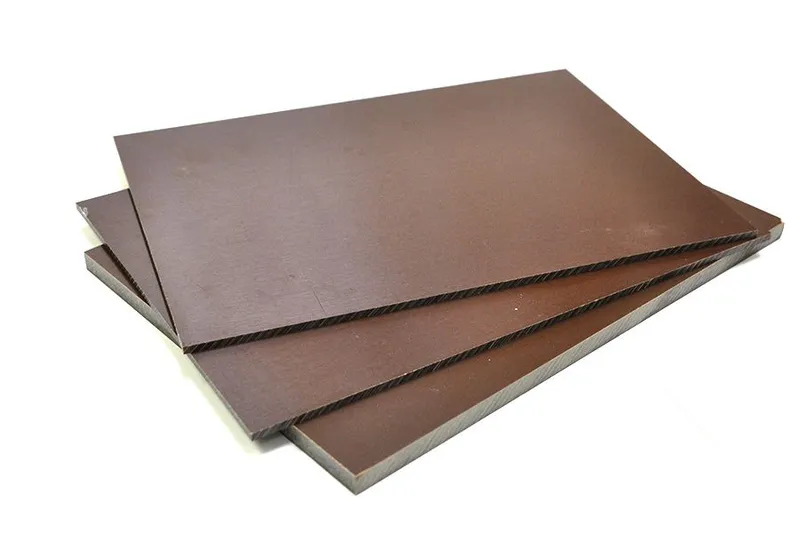
PF CC 201 – also known as HGW 2082 – is a thermosetting material based on phenolic resin with a fabric reinforcement. The sheet is used wherever high mechanical stability, temperature resistance and good electrical insulation are required. Decision-makers in mechanical engineering, electrical engineering and plant construction use this material for functional components, spacers, insulators or structural elements that must withstand permanent loads.
What is PF CC 201 / HGW 2082?
PF CC 201 is a thermoset material made from phenolic resin and cotton fabric, pressed under high pressure. This combination produces a hard, abrasion-resistant, low-distortion laminate with a homogeneous structure.
The material belongs to the thermosetting laminates and is classified as HGW 2082 in DIN 7735 and EN 60893 respectively. Unlike thermoplastics, PF CC 201 remains dimensionally stable under heat and shows no softening point.
Advantages over other engineering plastics
PF CC 201 combines high hardness, low moisture absorption and reliable electrical properties. This distinguishes it from thermoplastic materials such as PE or PP. Compared with hard paper, the material scores with higher mechanical values and better dimensional stability.
Compared with GRP laminates, PF CC 201 has a somewhat lower temperature resistance, but is easier to machine and shows predictable mechanical behaviour.
Formats and cut pieces
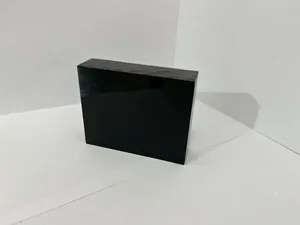
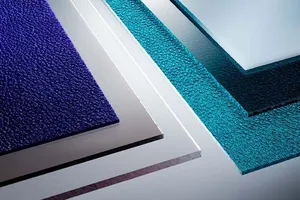
PF CC 201 is produced as a sheet in various thicknesses. Typical starting formats are large-area laminates that can be processed precisely into cut-to-size pieces. Buyers usually receive the material in thicknesses from a few millimetres up to sturdy, multi-layer sheets.
For industrial applications, cut-to-size pieces are common, matched directly to the required geometries.
Processing and machinability
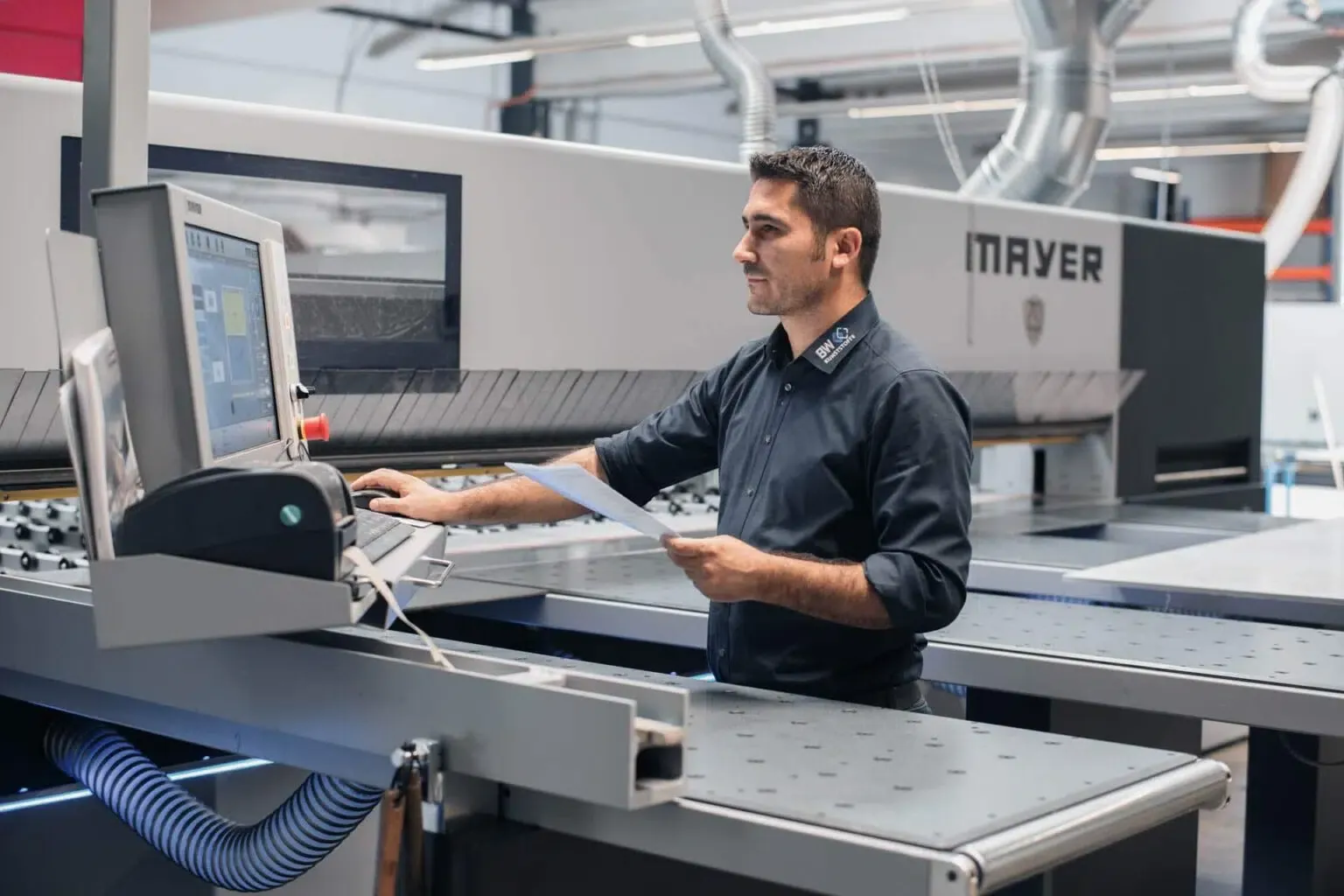
Although PF CC 201 is a thermosetting material, it can be machined well. The material remains stable during machining and shows predictable chip behaviour.
Sawing
Fine-toothed tools and stable cutting speeds lead to clean cut edges. Due to the high hardness, good tool condition is crucial.
Drilling
Drilling produces cleanly defined holes without significant fraying. A moderate feed rate ensures consistent drilling results.
Milling
Milling is a common type of machining. Sharp carbide tools reduce heat generation and ensure smooth edges.
Edge finishing
The edges can be ground or finely finished to produce a pleasant surface. Dust extraction is recommended.
Surface finishing
The surface is already hard and homogeneous in its raw state. If required, the material can be finely finished, for example for visible surfaces.
Safety and environmental aspects
Machining produces fine dust, which should be captured with an extraction system. Under strong heat exposure, the material can release phenolic resin odours. Disposal is as a thermosetting composite.
For which applications PF CC 201 is the best choice
PF CC 201 (HGW 2088) is suitable for components that must be both mechanically load-bearing and electrically insulating. The high dimensional accuracy, temperature resistance and moisture resistance make the material a reliable solution in mechanical engineering, switchgear construction and plant construction. Decision-makers benefit from a stable, long-lasting material for technical functional surfaces, insulators or structural elements.
FAQ
What distinguishes PF CC 201 from hard paper?
Thanks to the fabric reinforcement, PF CC 201 is mechanically more load-bearing and more moisture-resistant.
Is PF CC 201 electrically insulating?
Yes, the material has good dielectric strength and stable insulation values.
Up to which temperatures can HGW 2082 be used?
Continuously around 120–130 °C, briefly above that.
Can PF CC 201 be milled?
Yes, with sharp carbide tools the material can be machined precisely.
Properties
The material combination of phenolic resin and fabric results in a material with balanced mechanics and good temperature resistance. The sheet is particularly suitable for functional components that must hardly deform.
Mechanical properties
PF CC 201 has high compressive and flexural strength, a stable surface hardness and good damping behaviour. The material remains dimensionally stable even under sustained load and shows low dimensional changes.
Temperature resistance
The temperature resistance in continuous operation is around 120–130 °C. Briefly, higher temperatures are possible without the material losing its shape. A very controlled thermal behaviour without sudden deformation is typical.
Electrical properties
PF CC 201 exhibits good insulation values and is frequently used for electrotechnical components. It has a low dielectric constant, good dielectric strength and stable insulation values even at elevated temperature.
Chemical resistance
The material is resistant to oils, greases and many solvents. Against strong acids and alkalis, however, phenolic resin is less resistant. In industrial environments, the fabric reinforcement provides additional structural stability.
Moisture behaviour
PF CC 201 absorbs less moisture compared with hard paper. This leads to more reliable electrical behaviour and reduced swelling.
Applications
PF CC 201 is used wherever mechanical and electrical requirements come together. Thanks to the combined structure, the sheet is suitable for loads in construction and insulation.
Electrical engineering
The material is used for insulators, spacers, switchgear components and mounting plates. Temperature resistance and dielectric strength make it particularly valuable for control cabinets and apparatus engineering.
Mechanical and plant engineering
PF CC 201 is used in guides, sliding surfaces, stops, wear-resistant elements or components with a shock-absorbing effect. The material combines hardness with a certain elasticity.
Insulation and spacers
For areas with dense component integration, dimensional accuracy is crucial. PF CC 201 hardly distorts and is therefore suitable for precise technical insulators.
High-temperature environments
Due to the thermal stability, the material remains reliably dimensionally stable even in warmer zones of plants.