 This image was created with artificial intelligence – marked under Art. 50 of the AI Act, Regulation (EU) 2024/1689. It is a placeholder until the company's photos arrive.
Films for industry
PVC and PP films for industrial applications. Reliable quality, project-specific designs, technical advice instead of off-the-shelf products.
Industrial films are not standard products. They perform protective functions, enable precise further processing and must function reliably under real production conditions. Our PVC and PP films are designed for industrial applications where consistent quality, clean processing and technical suitability are decisive.
The focus is not on the material alone, but on the question: Which film fulfils your requirements permanently and economically?
PVC films – versatile, stable and safe
PVC films are used wherever there are high demands on surface, printability and mechanical load capacity. They can be processed precisely and offer a high degree of safety in an industrial environment.
Typical properties of PVC films:
- Very good printability and surface quality
- High tensile strength and dimensional stability
- Water- and moisture-resistant
- Flame-retardant, self-extinguishing
- Good chemical resistance
This combination makes PVC films particularly suitable for technical applications, labelling and components with increased demands on stability and safety.
PP films – functional and economical
PP films are used above all where low weight, chemical resistance and efficiency are the focus. They are robust, versatile and a proven solution for many standard industrial applications.
Typical properties of PP films:
- Low intrinsic weight
- High chemical resistance
- Good temperature resistance
- Very good recyclability
- Economical for series applications
PP films are particularly useful where there are no increased fire protection requirements and functional aspects are the focus.
Decision aid: PVC or PP?
The choice of material depends heavily on your application. In simplified terms:
- PVC film when surface quality, printability or fire protection are relevant
- PP film when weight, chemical resistance and cost-effectiveness are the focus
In technical borderline cases, we support you in the selection and assess suitability on the material side.
Processing and industrial further processing
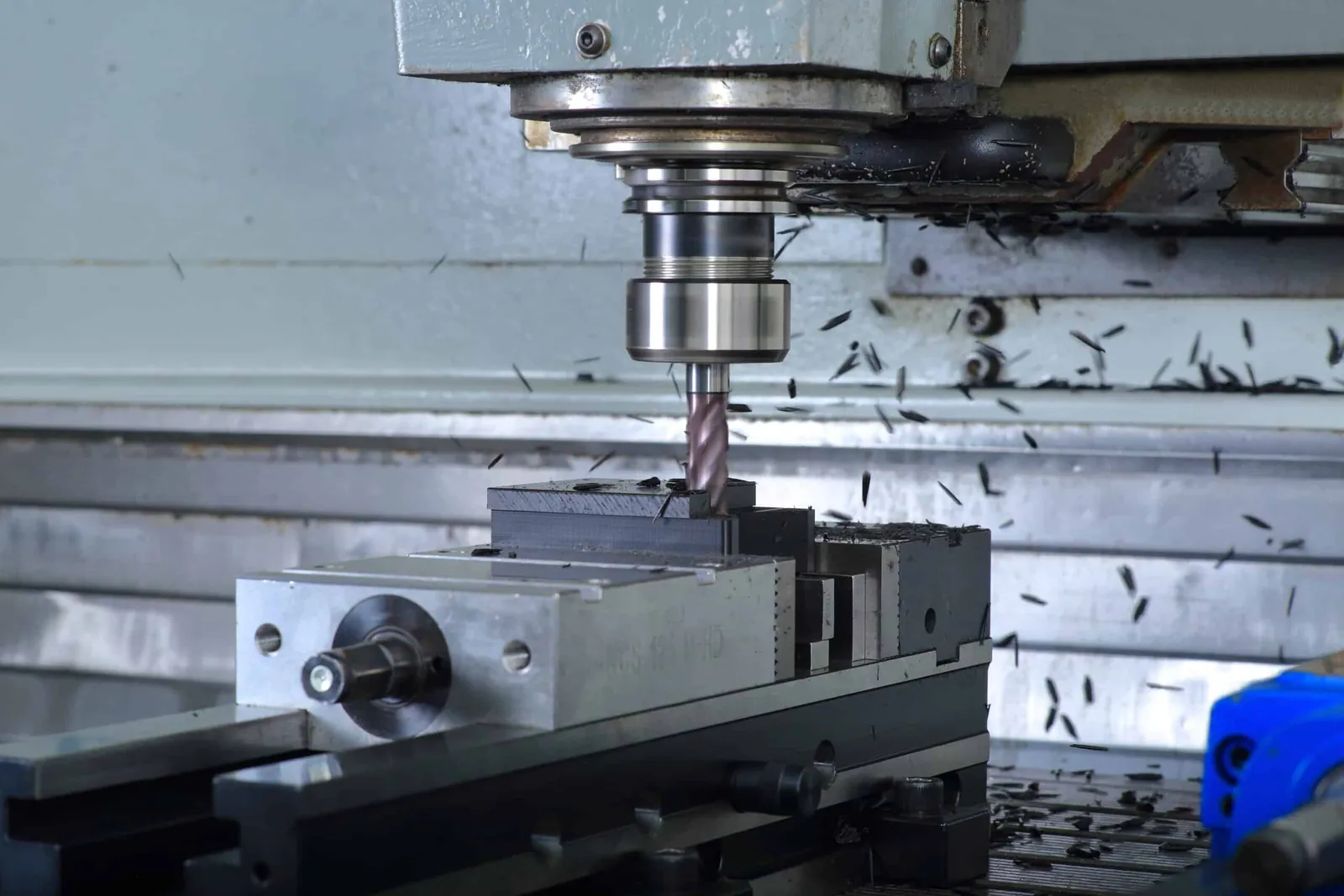
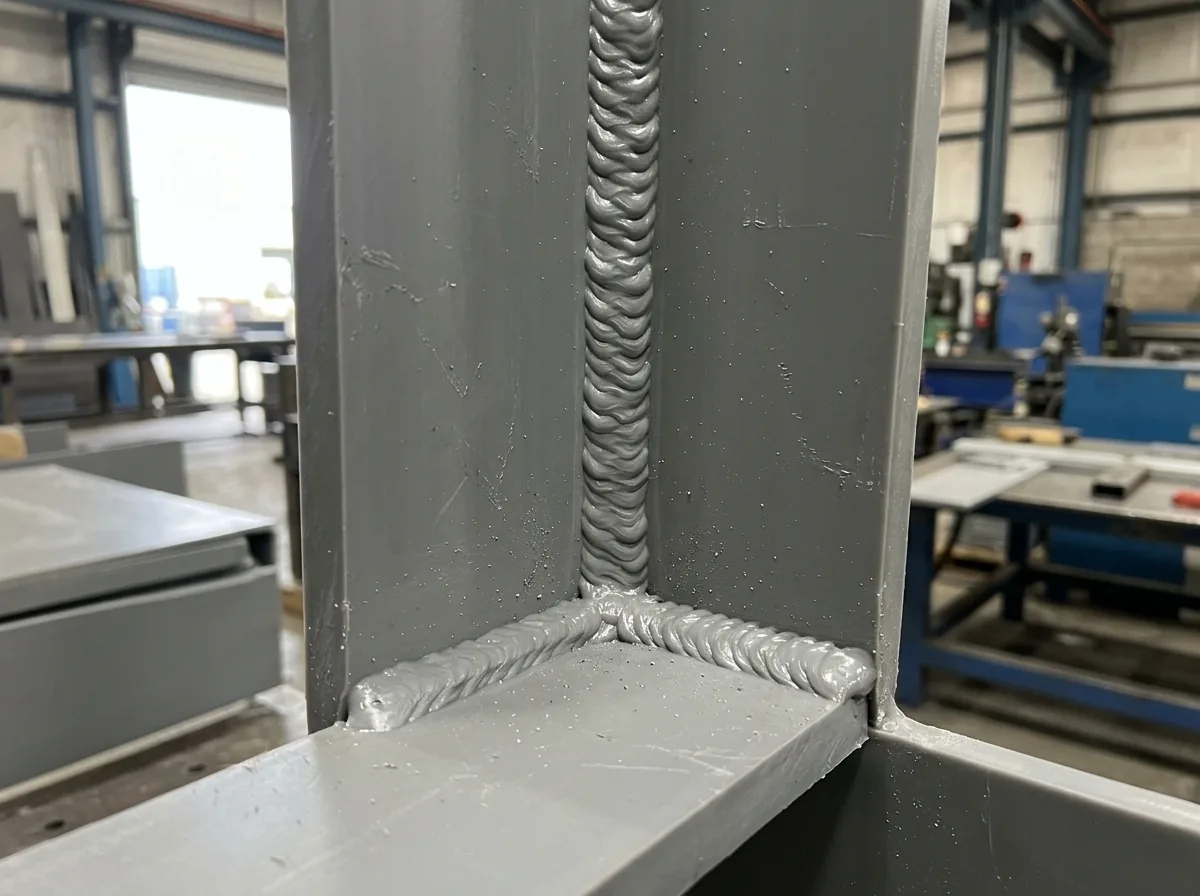
Our PVC and PP films are designed for common industrial processes and can be reliably further processed, including by punching, cutting, thermoforming, welding, laminating and laminating. The material properties remain constant even in series production.
Reproducible quality is a central requirement here.
Technical versions and delivery forms
Different versions are available depending on the application:
- Roll goods, cut pieces or formats
- Different material thicknesses
- Smooth, matt or functional surfaces
- Transparent, translucent or coloured variants
We agree the specific version on a project-specific basis to suit your requirements.
Application areas
Industrial films made of PVC and PP are used in many industries where functional surfaces, protective functions and reliable further processing are required.
Mechanical engineering
In mechanical and plant engineering, films serve among other things as protective and covering material, for technical separating layers or as starting material for punched functional parts. They protect components, reduce wear on contact surfaces and support structured production processes.
Medical technology
In medical technology, PVC and PP films are used for hygienic applications, for example in packaging, coverings or functional disposable components. Chemical resistance, clean surfaces and safe processing under controlled conditions are decisive here.
Vehicle construction
In vehicle construction, films are used for lightweight, functional solutions – for example as protective layers, insulation or separating materials. The low weight of PP films and the dimensional stability of PVC films support efficient and economical designs.
Electrical engineering
In electrical engineering, films are used among other things for insulation tasks, coverings and technical protective applications. Uniform material properties and reliable processability are central requirements here.
Food industry
In the food industry too, PP films in particular play an important role. They are used for packaging, protective layers and functional applications where hygiene, cleanability and material resistance are the focus.
Construction
In construction, PVC and PP films are used as protective, separating or covering materials as well as in functional layers. Their resistance to moisture and environmental influences makes them a durable and economical solution.
Which films are suitable for industrial use?
Which industrial film is suitable depends above all on the subsequent load, the further processing and the required material properties. PVC and PP films, each with different priorities, are suitable for many technical applications.
| Requirement | Suitable film |
|---|---|
| high surface quality and good printability | PVC film |
| high chemical resistance | PP film |
| low weight | PP film |
| increased requirements for flame retardancy | PVC film |
| protective and separating layers | PVC or PP film |
| punching and cutting | PVC or PP film |
| thermoforming | depending on material and version |
| laminating and laminating | PVC or PP film |
For the selection of a technical film, material thickness, temperature range, contact media, surface requirements and the planned processing process should also be taken into account.
Technical films for industrial applications
Technical films differ from simple packaging films through their properties, which are specifically tailored to the application. They are used, for example, as protective film, separating layer, insulation material or as starting material for punched and formed components.
Depending on the requirement, technical films can perform different functions:
- Protection of sensitive surfaces and components
- Separation of different materials or components
- electrical insulation
- covering and sealing
- starting material for punched and formed parts
- functional intermediate layer in assemblies
- further processing by laminating or laminating
What is decisive is therefore less the designation of the film than the combination of material, thickness, surface and technical function.
Requirements for industrial films during further processing
With industrial films, the subsequent processing significantly influences the choice of material. For punching and cutting, a uniform material thickness and reproducible properties are important. For thermoforming, the films must be suitable for the intended temperatures and degrees of forming.
For welding, laminating and laminating processes, the surface condition, temperature behaviour and compatibility with the materials used also play a role. The entire subsequent manufacturing process should therefore already be taken into account when selecting the industrial film.
Our role in the project
We support you not only in selecting the right film, but accompany your project from enquiry to implementation. This includes assessing the application, recommending the material and procuring even special or non-standard films.
Technical advice instead of catalogue sales.
Get in touch with us if you are implementing an industrial application or would like to select the right PVC or PP film for your project.