Polycarbonate
Polycarbonate (PC) is a thermoplastic material known for its high strength, transparency and resistance. It was developed in the 1950s and has since become established in numerous industries thanks to its unique properties.
Chemical structure and composition
Polycarbonate belongs to the polyester group. The name is derived from the chemical carbonate groups present in the molecular structure. It is typically produced by the polymerisation of bisphenol A (BPA) with phosgene or other precursors. This structure gives polycarbonate its characteristic combination of hardness and flexibility.
Properties of polycarbonate
High impact strength Polycarbonate is known for its exceptional impact strength. Compared with glass or acrylic (Plexiglas), it withstands much greater mechanical loads without breaking or shattering. This property makes it an ideal material for protective applications, such as safety windows or safety goggles.
Transparency Polycarbonate is optically very clear and has a light transmission of around 90%, making it one of the most transparent plastics. It is often used as an alternative to glass, as it is considerably lighter while offering similarly high levels of transparency.
Heat resistance It has a high heat deflection temperature, meaning that it withstands temperatures of up to 120–135 °C without losing its shape. Polycarbonate can therefore be used in applications that are exposed to strong temperature fluctuations.
Light weight At around half the weight of glass, polycarbonate offers similar optical and mechanical properties, which makes it very advantageous in the construction of buildings, vehicles or electronic devices.
UV resistance and weather resistance Polycarbonate can be provided with UV-stabilising additives to make it resistant to the harmful effects of UV radiation. Without such additives, the material would yellow or become brittle under prolonged sunlight.
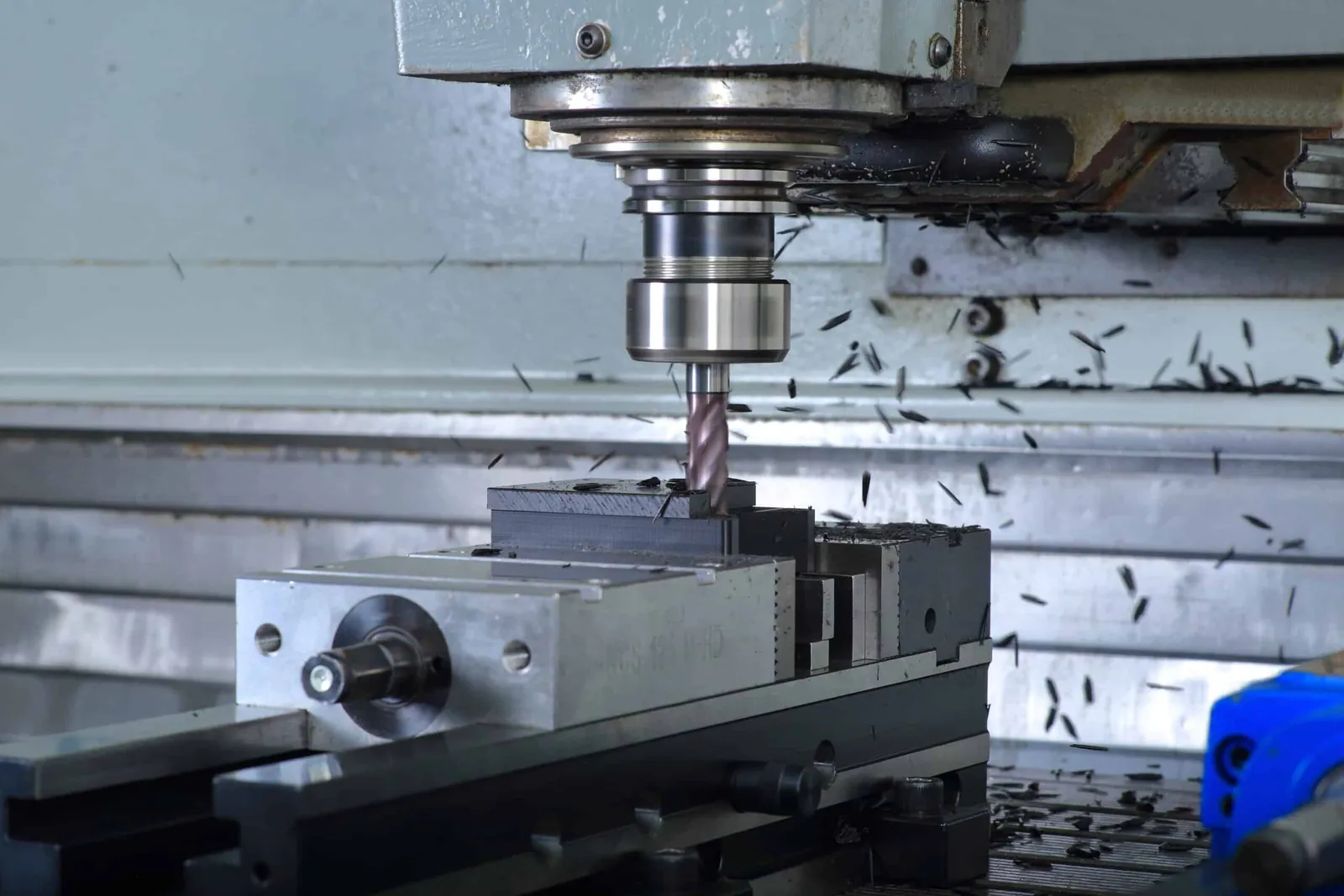
Mouldability and machinability As it is a thermoplastic material, polycarbonate can easily be formed into various shapes by injection moulding, thermoforming or extrusion. It can also be sawn, drilled or milled well, which makes it attractive for a wide range of industrial applications.
Applications of polycarbonate
Thanks to its versatility, polycarbonate is used in a wide variety of industries:
- Electronics: housings of smartphones, laptops, televisions, as well as CD, DVD and Blu-ray discs.
- Automotive industry: headlight covers, interior trim, panoramic roofs.
- Construction: safety glazing, roof glazing, noise barriers.
- Medicine: syringes, dialysis machines, medical containers.
- Optics: spectacle lenses, protective helmets, safety goggles.
- Packaging: reusable drinking bottles, food containers.
- Leisure: sports helmets, skis, snowboards, swimming goggles.
Because of its properties, polycarbonate is ideal for products that must be durable, shatter-proof and light.
As sheet or rod
Polycarbonate sheets and rods are used in many areas because of their robustness, transparency and mouldability:
- Polycarbonate sheets: these are impact-resistant, light-transmitting and weather-resistant. They are often used for roof glazing, partition walls, protective screens, safety glazing and noise barriers. In construction and architecture they are popular because they are lighter and more shatter-proof than glass.
- Polycarbonate rods: these are used in the mechanical engineering industry and in technical applications, as they are strong, stable and easy to machine. They are often used in mechanical components, holders, guides and bearings.
Both forms are characterised by their ease of machining, high strength and resistance.
Environmental aspects and recycling
Polycarbonate is generally recyclable, although the recycling process is more complex than for other plastics due to its chemical composition. The material can be broken down into its granulates by mechanical recycling or split back into its components by chemical recycling. However, as polycarbonate contains BPA, there are ecological concerns regarding its long-term use, particularly in food and drinking containers.
Polycarbonate is a versatile plastic with exceptional properties such as high impact strength, transparency and heat resistance. This combination makes it indispensable for many applications, from construction and automotive applications to electronics and safety products. Despite its many advantages, ecological aspects such as disposal and the use of BPA must be taken into account when using it.
Frequently asked questions - and their answers
What is polycarbonate?
Polycarbonate, also known as PC for short, is a plastic. It belongs to the thermoplastics group. This category covers all plastics that can be easily deformed, at a certain temperature heat.
What else is polycarbonate called?
The plastic is also called by the brand name Makrolon® of the company Bayer or by the trade name Lexan® of the company Sabic.
What does polycarbonate look like?
Transparent and colourless. However, it can be coloured in any desired colour. It can be welded and glued and has a high impact strength.
Which other plastics look similar to polycarbonate?
The plastic polymethyl methacrylate, also known as PMMA or acrylic glass for short, looks similar to polycarbonate. Both plastics are transparent and both are similar to glass. They are both weather-resistant, impact-resistant and durable.
How expensive is polycarbonate?
In relation to other plastics, this plastic is expensive. As is the plastic polyethylene.
What properties does it have?
The plastic is significantly lighter than glass, more light-transmitting and polycarbonate withstands more, so that it is more impact-resistant than glass, but also than other plastics. It is resistant to high temperatures and can easily be formed into shape. With special coatings, the surface can be made water-repellent and self-cleaning. Dissipation of static electricity is also possible, so polycarbonate can be used, among other things, for machine covers in explosion-protected areas.
Where is it used?
Polycarbonate is only used as a plastic when other plastics are too soft, too fragile, not transparent enough, insufficiently stable or too scratch-sensitive for the respective use.
What advantages does polycarbonate have over other plastics?
This plastic can be used in a versatile way. Polycarbonate withstands much more and can therefore be used in areas where other plastics would fail in their field of application. As they cannot meet the requirements.
What is made from polycarbonate?
The most important areas of use of the plastic are moulded parts and housings as well as structural components. Polycarbonate is also used, among other things, for the following items: CDs, DVDs and Blu-ray discs windows, among others of aircraft, emergency vehicles underwater housings for cameras protective helmets and visors cases panes for conservatories and greenhouses
How can polycarbonate be processed?
Polycarbonate can be processed at a processing temperature between 280 and 320 °C. The best forming temperature is between 240 and 280 °C. Before processing, however, the plastic must be dried, as it has a residual moisture content.