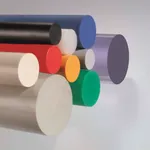
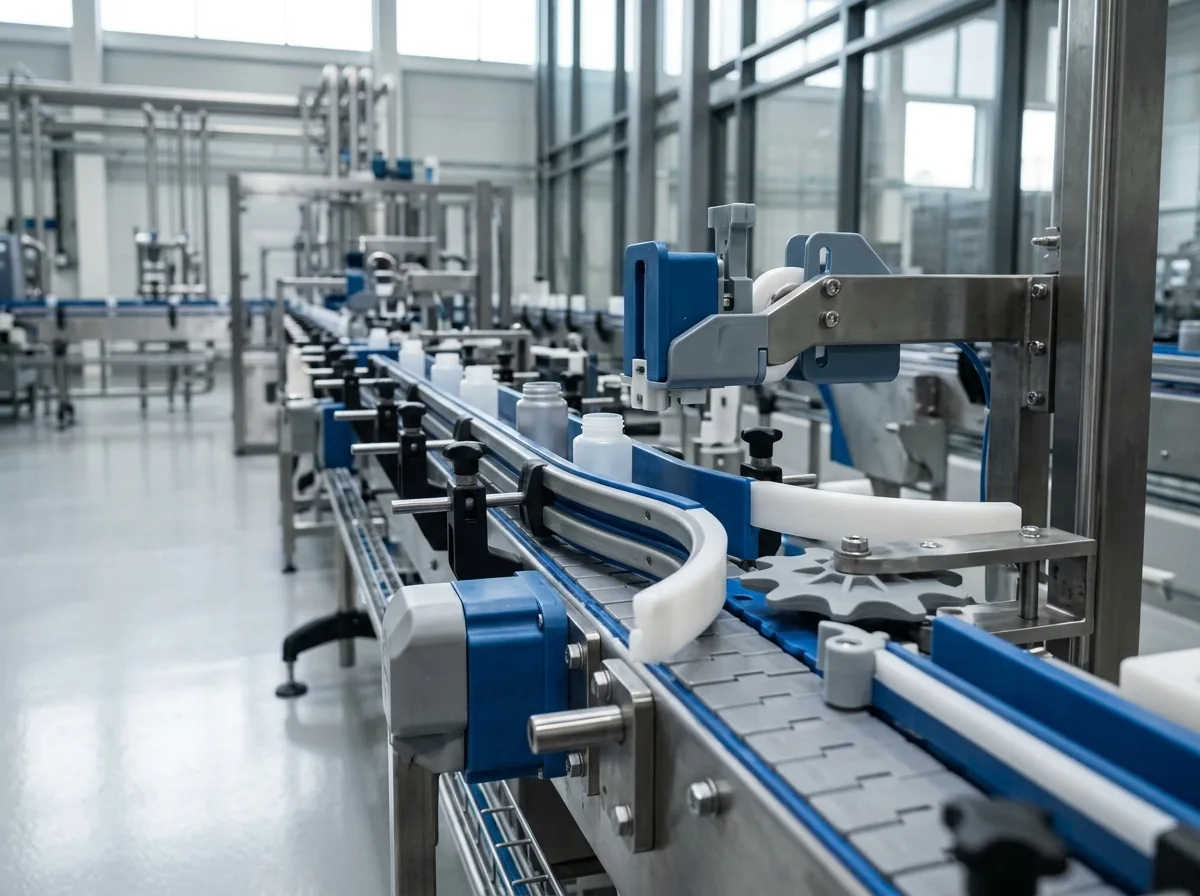
 This image was created with artificial intelligence – marked under Art. 50 of the AI Act, Regulation (EU) 2024/1689. It is a placeholder until the company's photos arrive.
The diversity and advantages of engineering plastics in modern industry
Read about the advantages of our engineering plastics here, from high strength to cost-effectiveness.
Lightweight and high strength:
Engineering plastics, such as rigid PVC, are characterised by their remarkable strength combined with low weight. This makes them particularly attractive for applications where high strength is required without the component becoming too heavy. This advantage is particularly relevant in the automotive industry, where lighter materials lead to improved fuel efficiency and performance.
Chemical resistance:
Another impressive feature of engineering plastics is their high resistance to chemical influences. Unlike some metals, plastics do not corrode and are resistant to many aggressive chemicals. This makes them ideal for applications in chemical plants, the food industry and other environments where chemicals play a role.
Mouldability and design freedom:
Engineering plastics offer a high degree of mouldability and design freedom. Through various forms of plastic processing such as injection moulding, extrusion and blow moulding, complex shapes and structures can be created. For example, with bent plastic parts. This flexibility enables engineers to realise innovative designs and develop products with optimised properties.
Electrical insulation capability:
Plastics are good insulators, which favours their use in electronics and electrical engineering. They reliably prevent electrical conductivity and thus provide protection against electrical interference and short circuits. This is particularly important in applications where precise electrical insulation is crucial, such as in electrical circuits and components.
Weather resistance:
Engineering plastics often show excellent weather resistance. They are resistant to UV radiation, moisture and temperature fluctuations, which makes them ideal for outdoor use. This is of crucial importance in areas such as construction, solar installations and outdoor equipment.
Cost-effectiveness:
A significant advantage of engineering plastics lies in their cost-effectiveness. Compared with traditional materials such as metals, plastics are often more cost-efficient in production. In addition, they can be easily recycled, which contributes to more sustainable material use and reduces environmental impact.
What are engineering plastics actually? Wikipedia says:
"Engineering plastics (also technopolymers or construction materials) are a subgroup of thermoplastic polymers."
You can also find out more about this here.